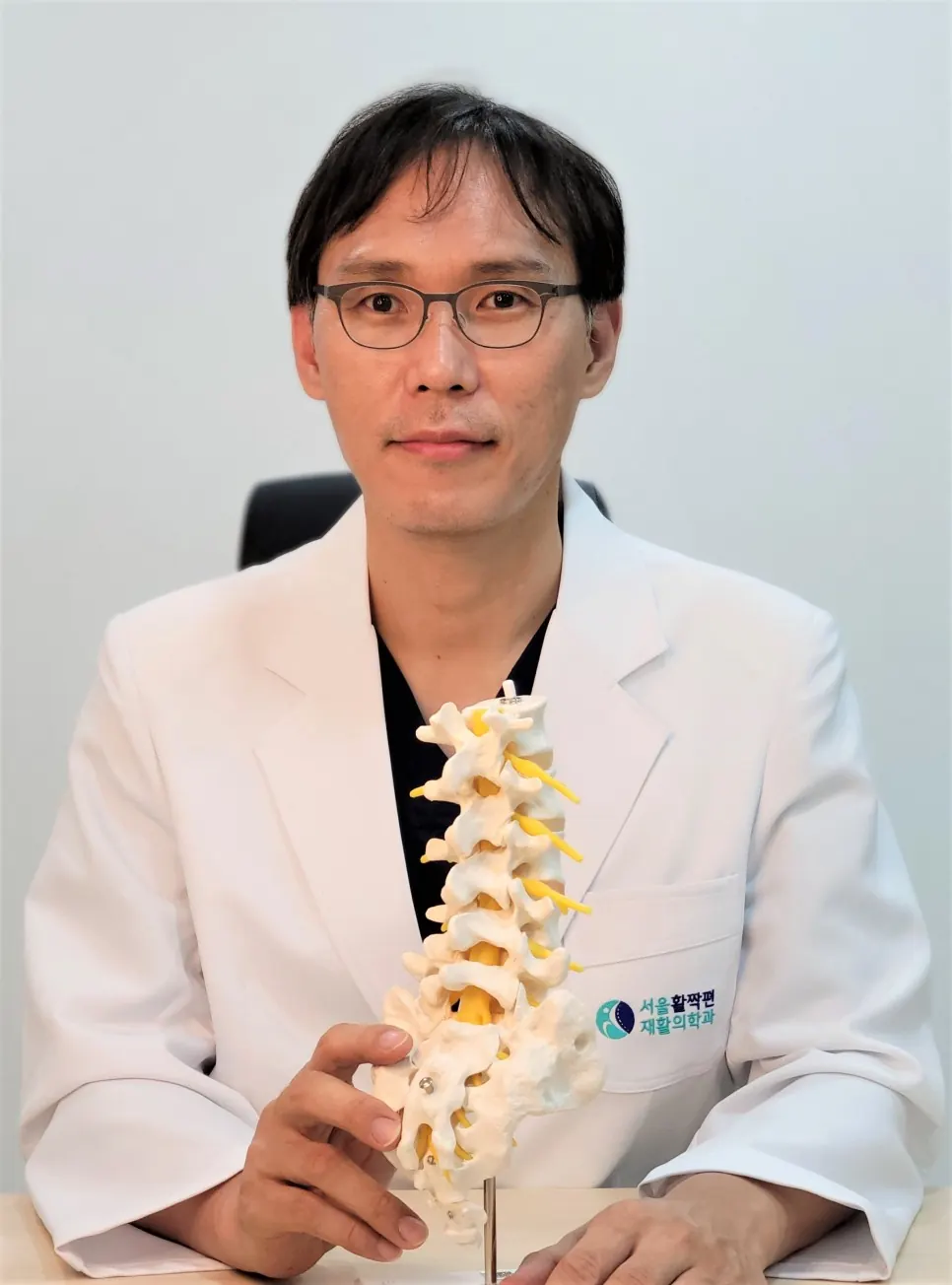
I extend my greetings on behalf of Dr. Lee Jin-young, the clinic’s director.
In the previous session, I talked about straight spine. It was a condition where the normal lordotic curve, which is present in the spine, is lost as the lumbar spine is pushed backward. That's why it was also called "retrolisthesis." In this session, let's look into a similar condition called scoliosis.
Since my school days, I've had poor posture. My shoulders were uneven, and it felt like my pelvis was tilted, so I vaguely thought my spine was curved. As I entered my twenties, I began to experience slight pain in the lower back. It wasn't severe, but I constantly felt uncomfortable. That's why I came to the hospital to find out if my condition is serious and to seek correction. Can it be corrected well without surgery?
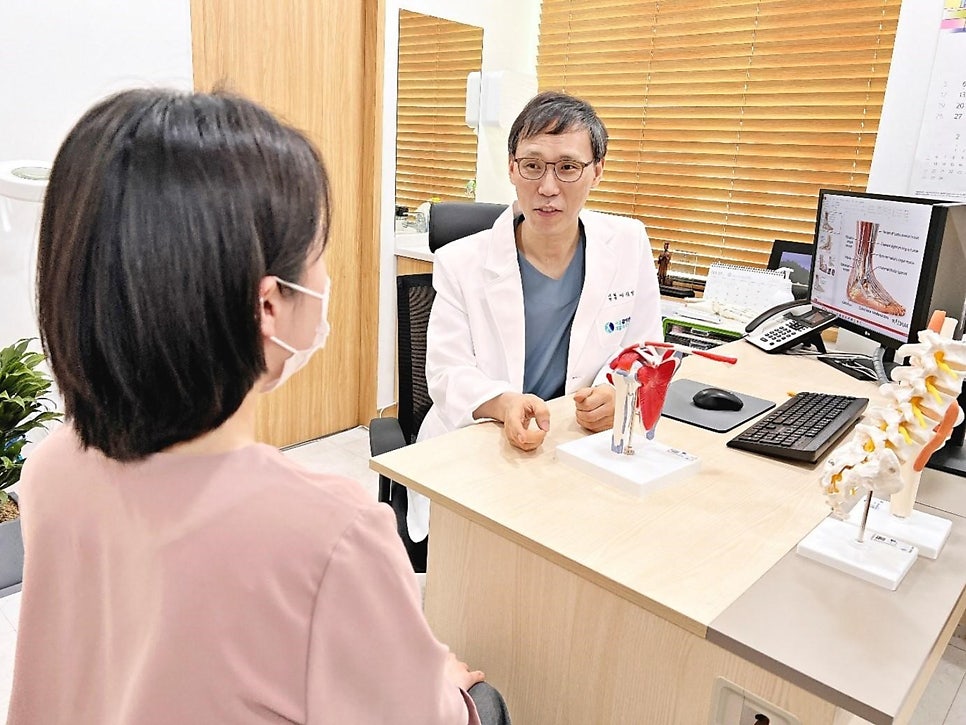
Scoliosis is a condition with a particularly high prevalence among adolescent patients, especially during the growth spurt phase. Incorrect posture becoming a habit during rapid bone growth can easily lead to misalignment. As with the patient described earlier, if there is a difference in the height of both shoulders and pain in the lower back, suspicion of scoliosis is warranted.
What is scoliosis?
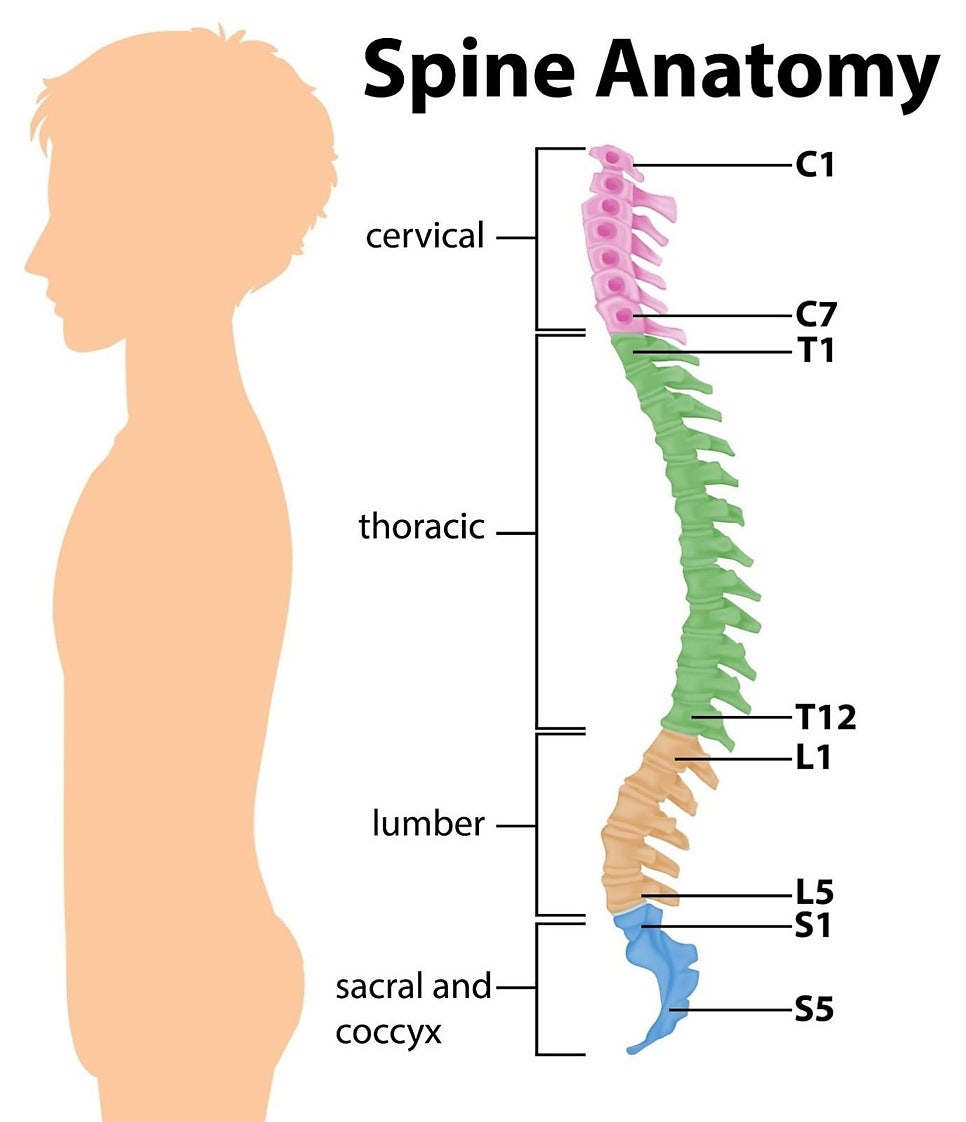
The spine is composed of cervical, thoracic, lumbar, and sacral segments. A normal spine should appear straight when viewed from the front, and when viewed from the side, the cervical and lumbar segments should form a C-shape, while the thoracic and sacral segments should form an inverse C-shape.
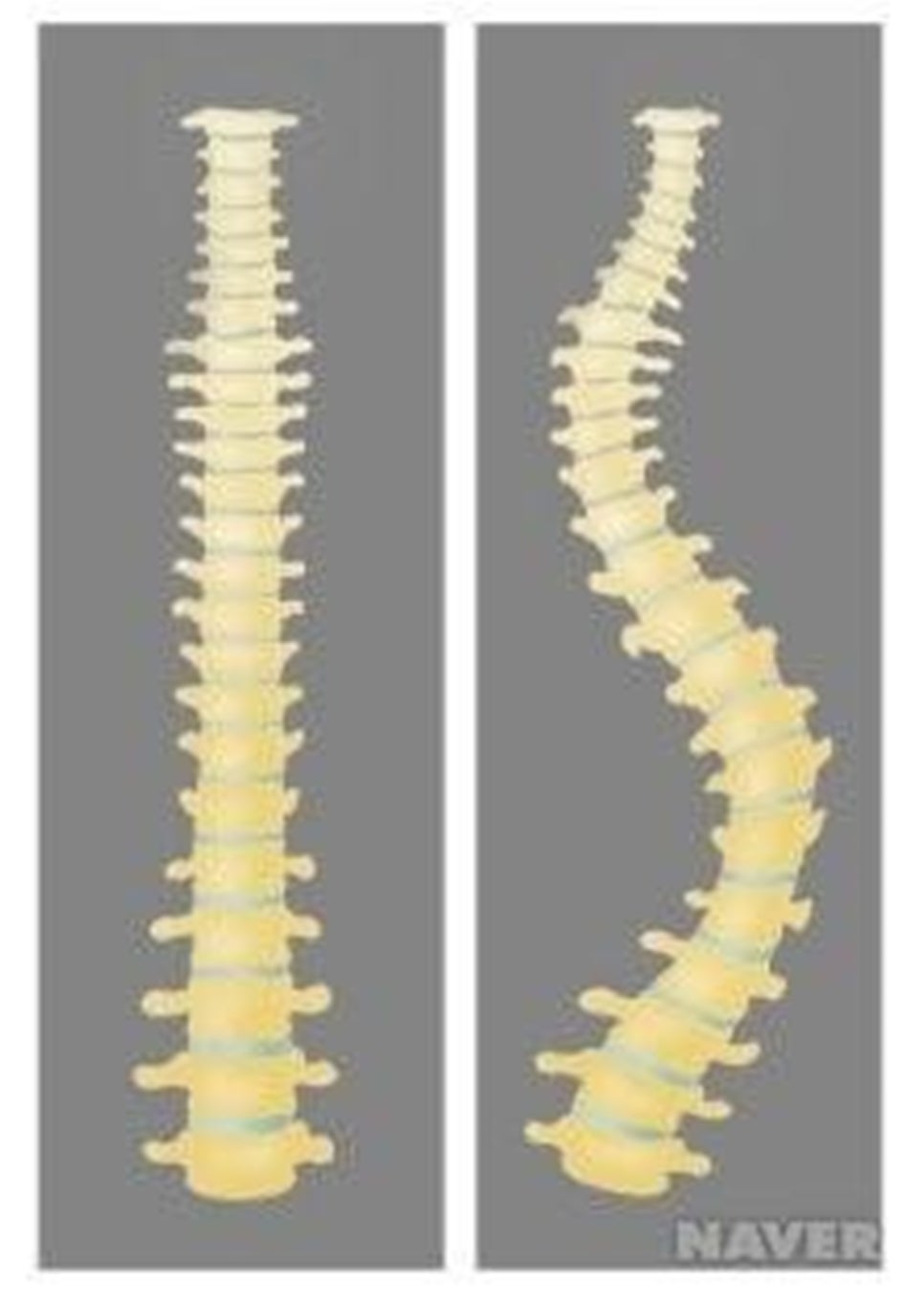
Scoliosis refers to the spine being curved sideways when viewed from the front. However, it is not just a simple two-dimensional deformation. Instead, the spine bones twist into a three-dimensional shape resembling a spiral, and this deformation can be observed when viewed from the side as well.
As a result, the waist may curve, shoulders may be uneven, and there may be protrusion of the chest and ribs on one side.
What causes scoliosis?
The causes of scoliosis are diverse. Broadly, they can be categorized into idiopathic, congenital, and neuromuscular causes. Most cases are idiopathic scoliosis, where the cause is unknown.
Congenital scoliosis results from abnormalities during fetal spine development. Scoliosis caused by neurological abnormalities is called neuromuscular scoliosis, and there are also cases of scoliosis included as a symptom of conditions like neurofibromatosis or other syndromes.
What are the symptoms of scoliosis?
The most common cause, idiopathic scoliosis during adolescence, often doesn't present symptoms besides outward appearance changes. Occasionally, individuals may complain of back pain, but this pain doesn't necessarily correlate with the degree of spinal curvature. For instance, someone with a curvature of 70 degrees may experience no pain, while another with a curvature of 20 degrees might complain of severe pain. When the curvature angle exceeds 80 degrees, it can affect lung capacity, leading to decreased respiratory function. Severe curvatures of 100 degrees or more may result in breathing difficulties during physical activity, and those exceeding 120 degrees can cause serious issues such as cardiac and pulmonary complications.
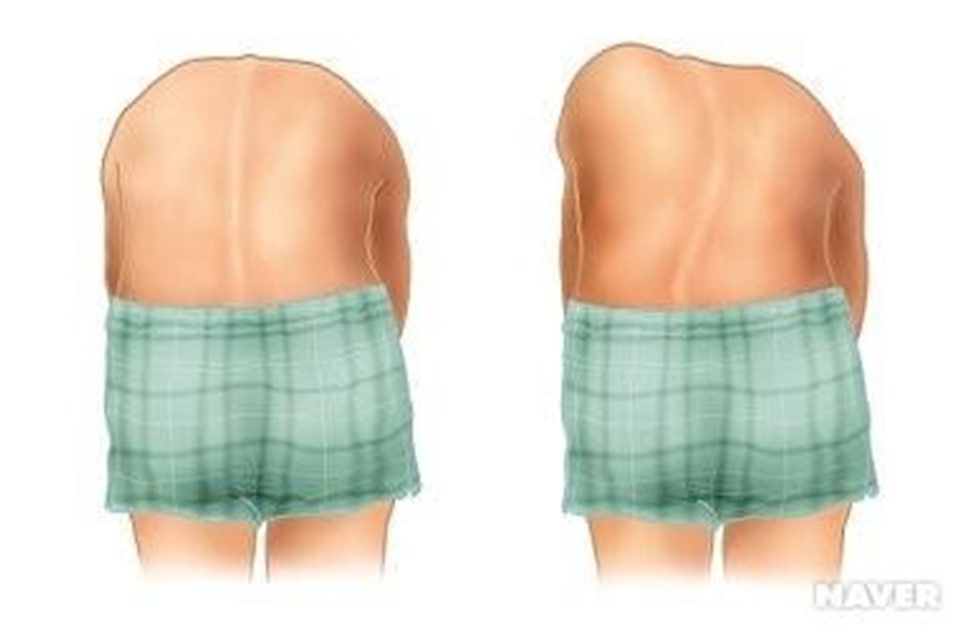
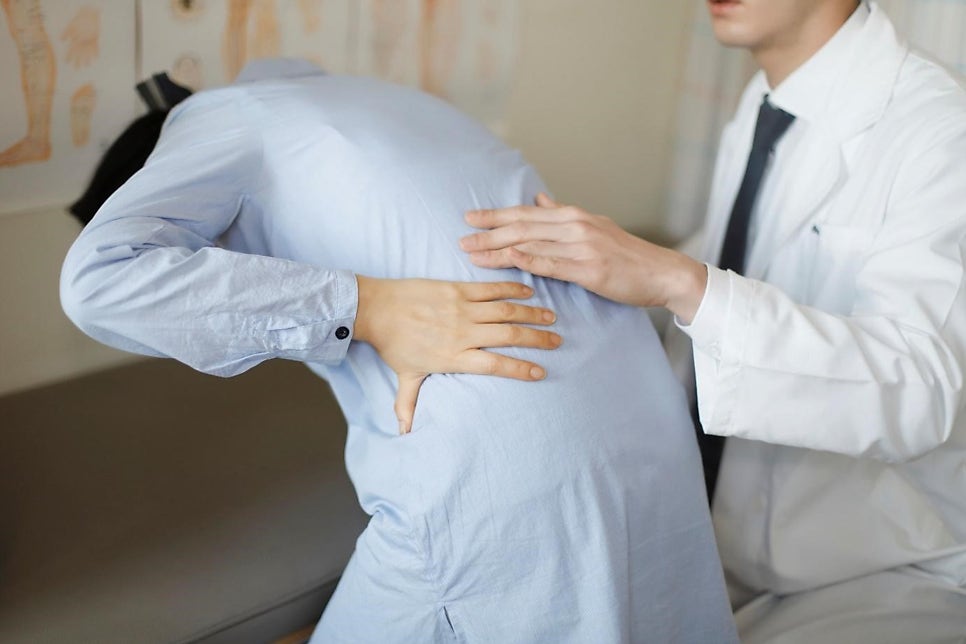
Externally, scoliosis may manifest as one hip being tilted compared to the other, uneven shoulder heights, and a noticeable protrusion of one side of the back when bending forward. Since symptoms are often absent, individuals may not be aware of their scoliosis, allowing the condition to worsen over time. While scoliosis itself may not cause symptoms in many cases, misalignment of the spine can lead to various other conditions affecting the pelvis, ribs, lungs, herniated discs in the back, and discs in the neck. Thus, early correction is wise as it can prevent a wide range of potential health issues.

Seoul Painfree Rehabilitation Medicine Clinic strives for delicate and effective posture and body correction!
Even though they may have the same scoliosis, each patient differs in the degree of curvature, their usual posture, occupation, and living environment. That's why personalized treatment tailored to these diverse aspects is necessary.
At Seoul Painfree Rehabilitation Medicine Clinic, we conduct weekly case studies to ensure tailored treatment.
Our rehabilitation medicine specialist, who previously served as a clinical professor in the Department of Rehabilitation Medicine at Seoul National University and Catholic University Seoul St. Mary's Hospital, as well as the director of the Department of Rehabilitation Medicine at the National Rehabilitation Center, strives to provide the best care. Additionally, we have experts with licenses from the American Chiropractic Association, known as chiropractors, who provide chiropractic therapy. 'Easing Pain for a Brighter Tomorrow,' Seoul Painfree Rehabilitation Medicine Clinic wishes for your health and happiness.
Thank you.