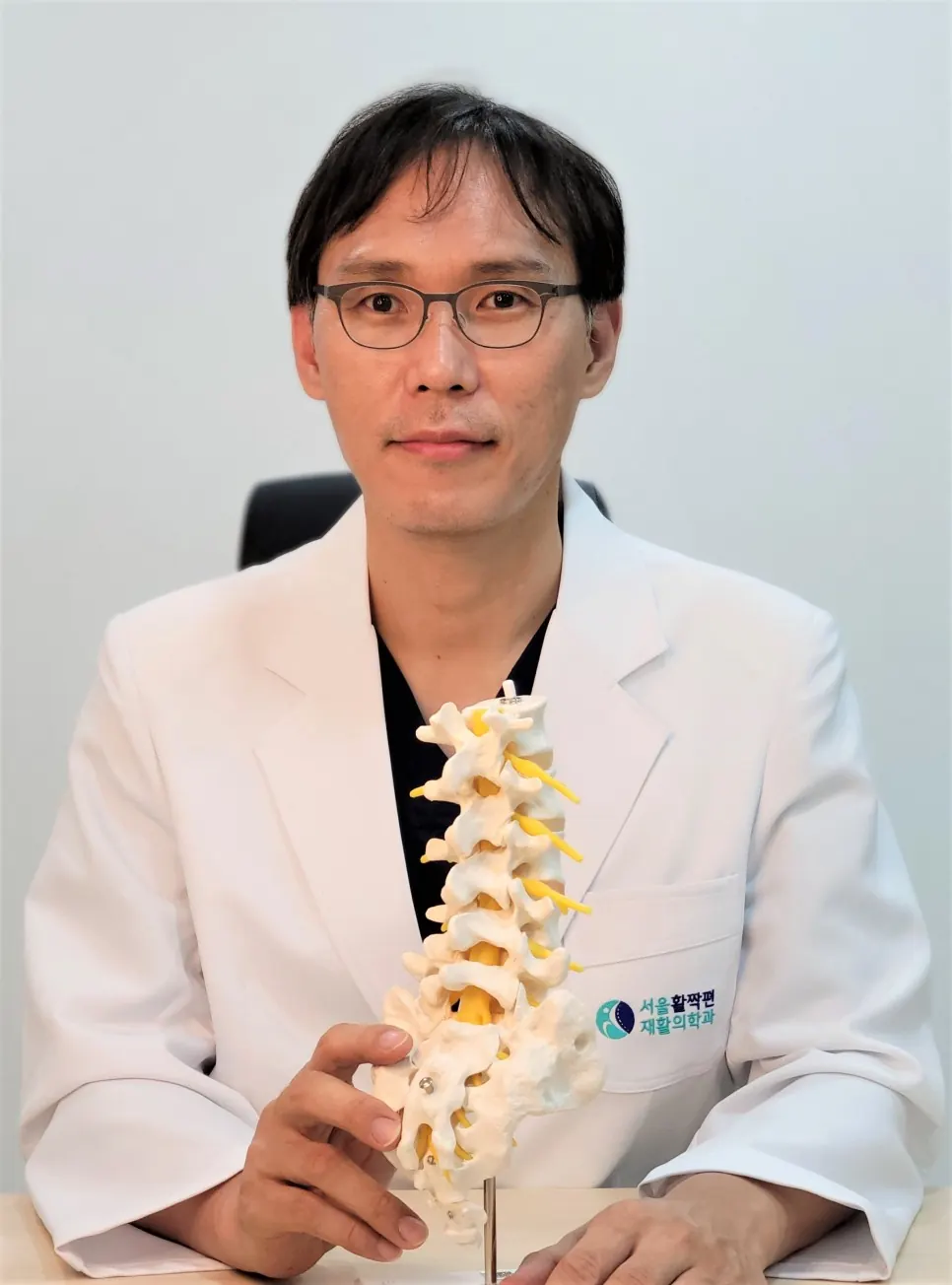
I extend my greetings on behalf of Dr. Lee Jin-young, the clinic’s director.
Modern people use smartphones and computers a lot. They spend less time during the day without using computers and smartphones. As a result, many people have developed improper posture and body shape.
Especially when looking at smartphones and computer monitors, it is easy to adopt a posture that is not good for the neck and waist. Such improper posture becomes a habit and eventually leads to a change in body shape. Straight neck and turtle neck are representative conditions.
Because of my desk job, I spend long hours sitting and staring at the computer screen. Without realizing it, I find myself working with my neck stretched forward like a turtle and my waist bent. Even though I try to consciously maintain the correct posture, at some point, I find myself in that posture again. By the time I get off work, my body feels stiff every day, my back of the neck hurts, and sometimes I even get headaches. My shoulders are stiff too. It's so uncomfortable that I came to the hospital to get treatment. I want to correct my posture and body shape.

This patient recently came to see me for a consultation. Not only during consultations, but also while walking down the street, it's easy to spot patients with straight neck and turtle neck syndrome regardless of age or gender.
So, this time, I will take the opportunity to explain what turtle neck syndrome is, its causes, and symptoms.
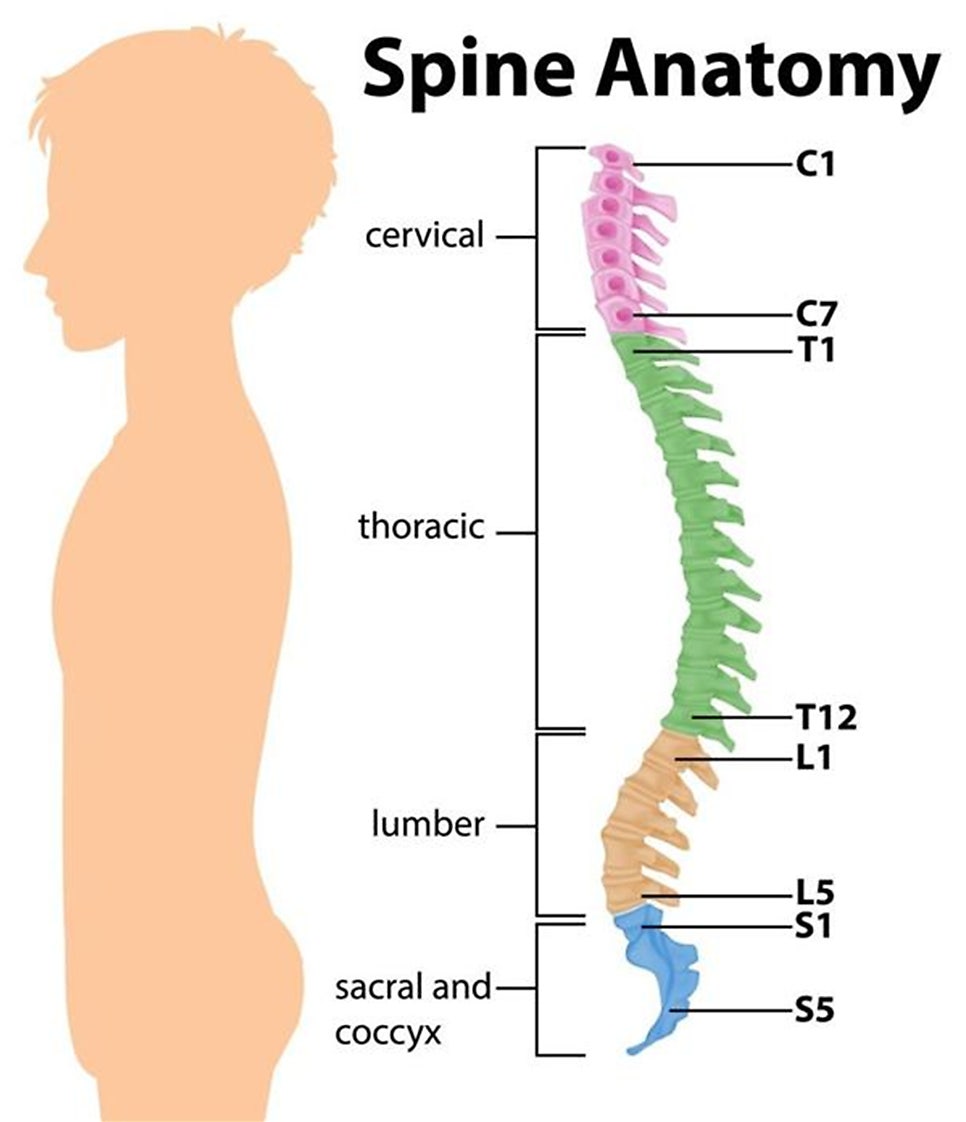
As the name suggests, a straight neck refers to a neck that is straight, while a turtle neck refers to a posture where the neck is protruded forward like a turtle.
What should the normal posture look like? The bones that make up the neck in the human body are called cervical vertebrae, and there are seven of them. When viewed from the side, in a normal person, the cervical spine should form a gentle C-shape. This is called the cervical lordosis.
When looking at the entire spine, such curves exist in both the cervical and lumbar regions. These C-shaped curves play a role in effectively reducing the load that the spine has to bear.
However, if these C-shaped curves are lost due to poor posture, the load that the spine has to bear increases. As a result, fibrous tissue can tear, causing the nucleus pulposus to escape, leading to cervical and lumbar disc herniation.
An improper posture where the neck is constantly protruded forward can change the cervical lordosis from a gentle C-shape to a straighter form or even a reverse C-shape. When the cervical spine loses its natural curve and becomes straight, it is called straight neck, and when it forms a reverse C-shape, it is called turtle neck.
What are the causes of turtle neck syndrome?
As mentioned earlier, the main cause is the improper posture of constantly protruding the neck forward. Especially during the time when people were staying at home more due to the COVID-19 pandemic, the increased use of smartphones and computers led to an increase in people with turtle neck posture.
What are the symptoms of turtle neck syndrome?
When the neck protrudes forward by just 1cm, the load that the cervical spine has to bear increases by about 2 to 3kg. Therefore, if turtle neck syndrome is severe, you have to bear an additional load of about 15kg.
Furthermore, in the case of a straight neck or turtle neck, the muscles also become strained due to the increased load. The increased load transmitted to the muscles of the back of the neck and shoulders causes muscle tension and pain. If the muscles remain constantly tense, it can lead to myofascial pain syndrome, causing continuous pain even when resting in a proper posture. Therefore, it can lead to myofascial pain syndrome.
In addition, compression of the nerves can cause headaches.
Therefore, since straight neck and turtle neck can cause headaches, muscle pain, and other conditions such as cervical disc herniation and myofascial pain syndrome, it is necessary to seek treatment.
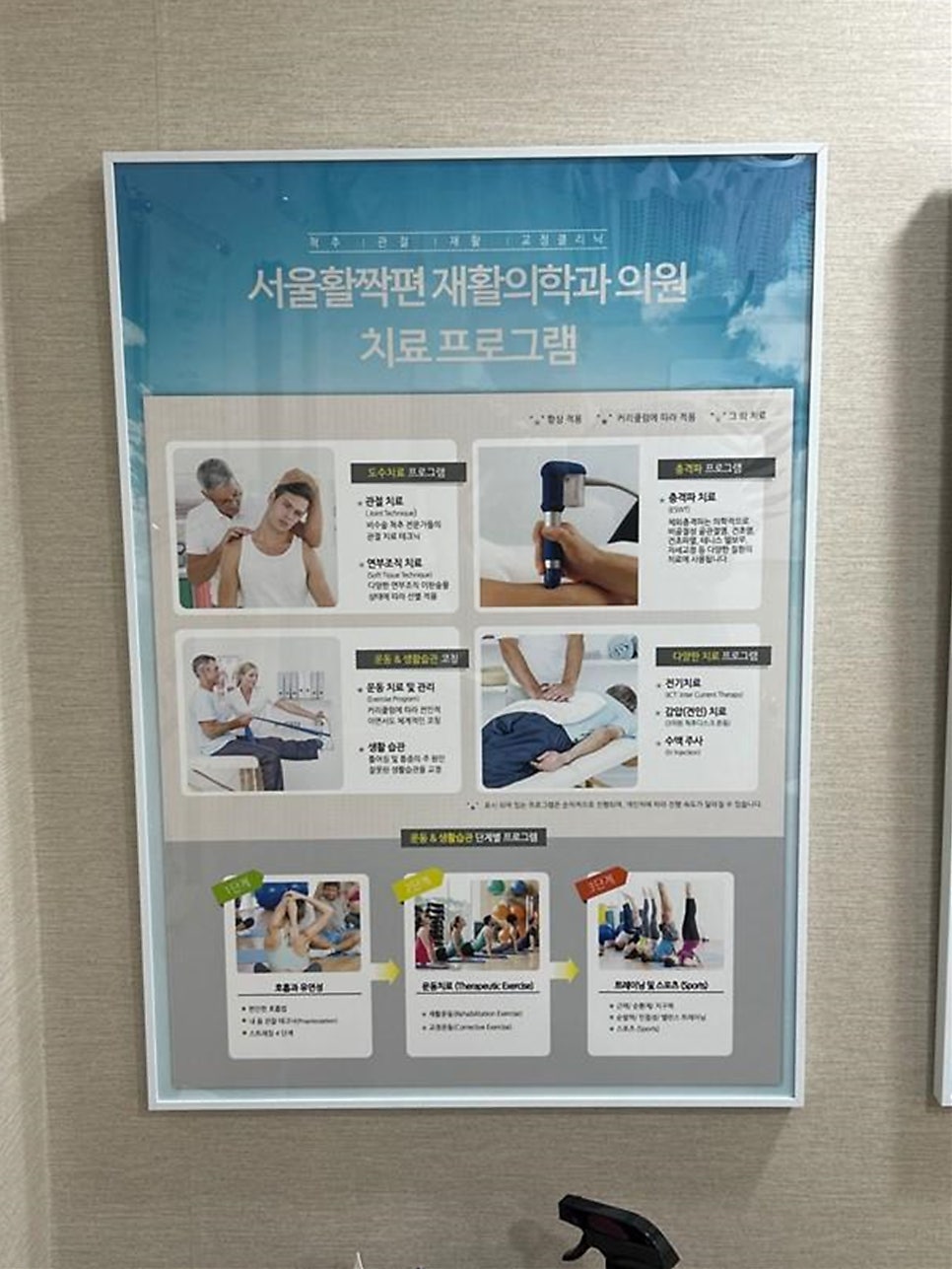
At Seoul Painfree Rehabilitation Medicine Clinic, we specialize in professional posture and body shape correction!
At Seoul Painfree Rehabilitation Medicine Clinic, you can receive specialized manual therapy from experts holding a Doctor of Chiropractic (D.C) license from the United States, with approximately 50 such experts in Korea.
This license is accredited in the United States and requires an 8-year education program and passing 4 exams. These experts are among the best in Korea and are currently educating other manual therapists.
"Relieving pain and restoring mobility." We hope you choose Seoul Painfree Rehabilitation Medicine Clinic for more professional and effective posture and body shape correction.
Thank you.