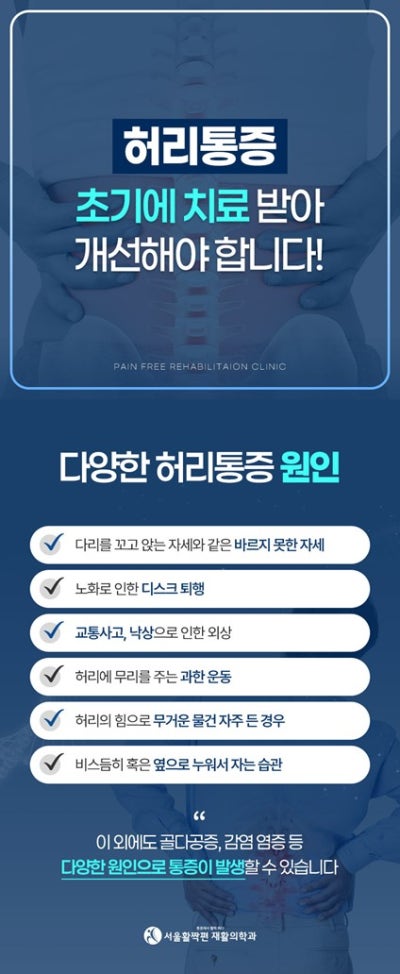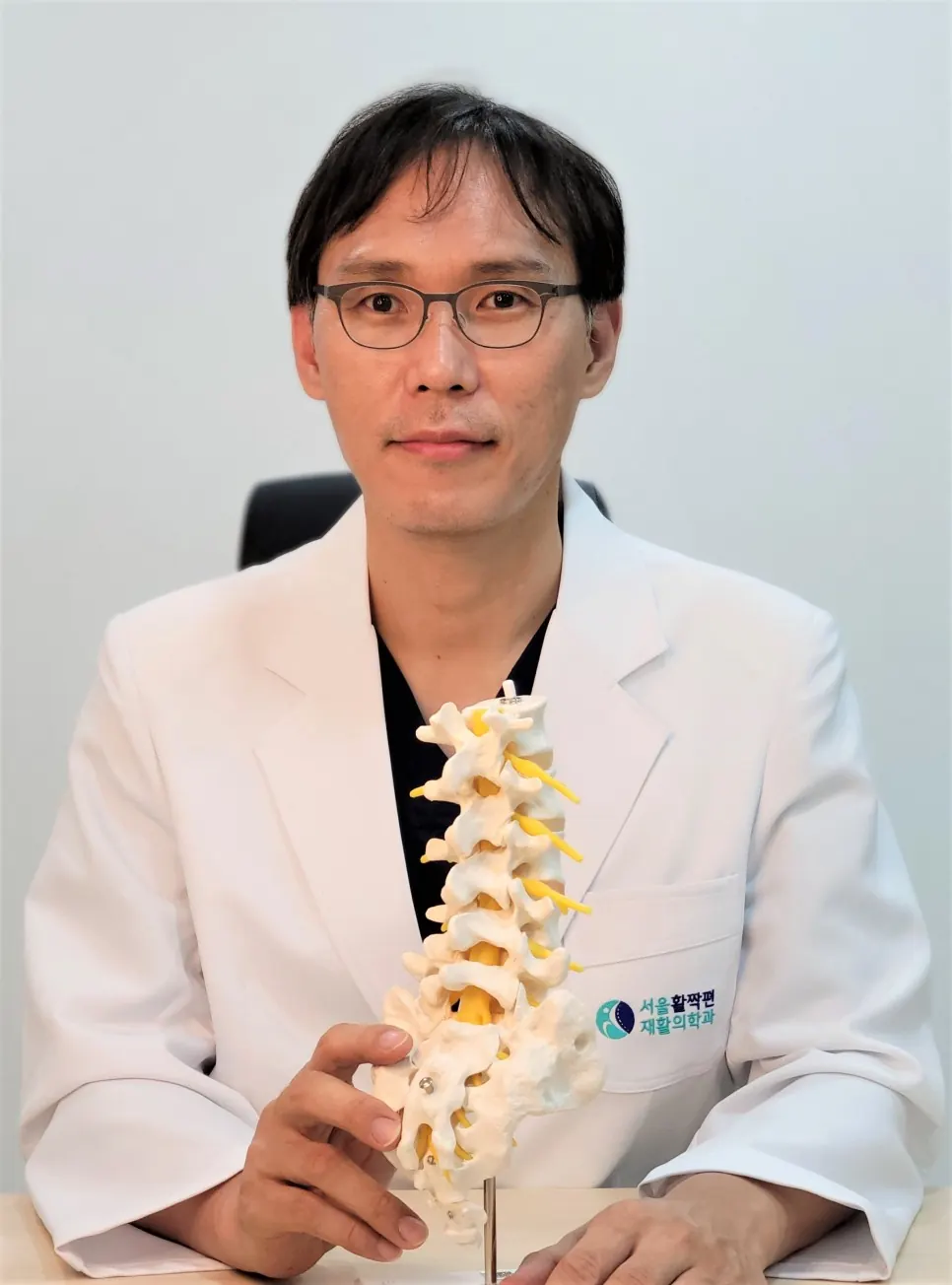
Lower back pain is a common issue that nearly everyone experiences at some point in their lives. In fact, a significant number of patients who visit us at Seoul Hwalzzak Rehabilitation Medicine Clinic come in complaining of back pain.
Many of them also ask whether there are non-surgical options available, as the idea of surgery can be quite daunting.
I’ve been going to the hospital for back pain, but the pain keeps coming back. Surgery feels like too much of a burden—are there any other ways to relieve the pain?
Today, I’d like to talk in detail about ATT Robotic Decompression Therapy, a treatment especially suitable for those who suffer from severe back pain but want to avoid surgery. If you’ve been struggling with persistent lower back pain, I encourage you to read through today’s content carefully.
Table of Contents
What is ATT Robotic Decompression Therapy? How is ATT Robotic Decompression Therapy performed? When should you consider ATT Therapy? What should you be cautious about when receiving ATT Therapy?
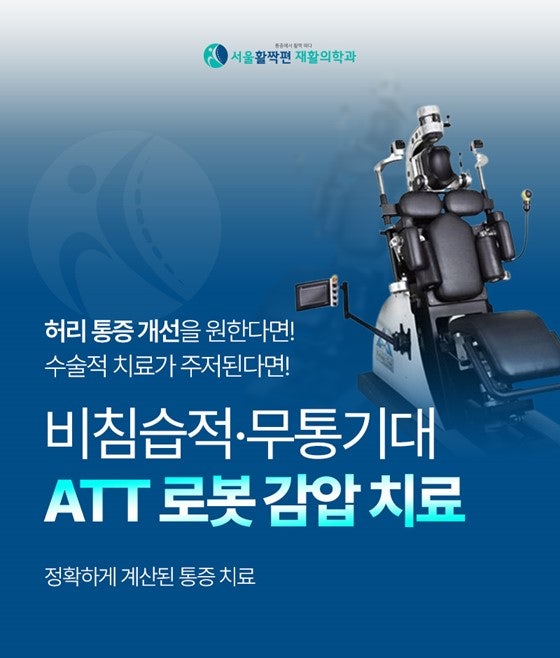
What is ATT Robotic Decompression Therapy?
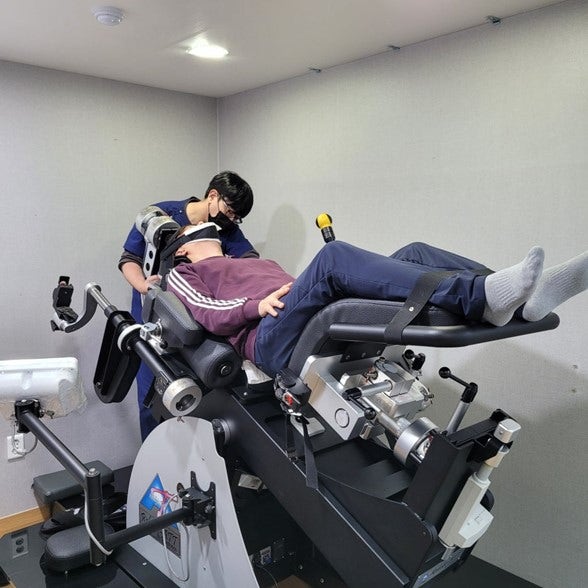
ATT Robotic Decompression Therapy is a non-surgical treatment that helps relieve pressure on the spine to promote recovery—without the need for incisions or implanted devices. Using a robotic system, the therapy provides controlled and repeated flexion and extension movements, adjusting the intensity, angle, and direction according to the patient’s specific spinal condition.
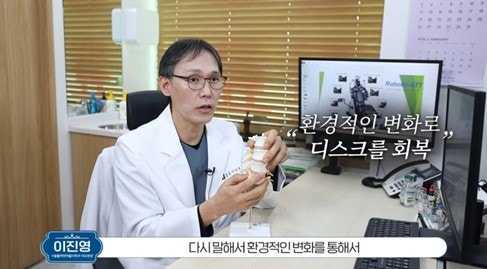
Through this process, pressure on the spinal discs and surrounding tissues is relieved, improving blood circulation and supporting the body’s natural healing process.
This treatment uses equipment approved by the FDA and is also covered by health insurance. It is considered relatively safe and low-risk, making it a popular choice for many patients seeking non-invasive pain relief.
How is ATT Robotic Decompression Therapy Performed?
The treatment begins with the patient lying down in a comfortable position.
The robotic equipment then gently mobilizes the spinal joints by performing repeated movements such as rotation and tilting of the spine.
Each session typically lasts about 15 to 20 minutes, and the duration can be adjusted based on the patient's symptoms and condition.
If any discomfort is felt during the procedure, there is a stop button readily available, allowing the treatment to be halted immediately. This helps minimize psychological stress and ensures a sense of safety throughout the session.
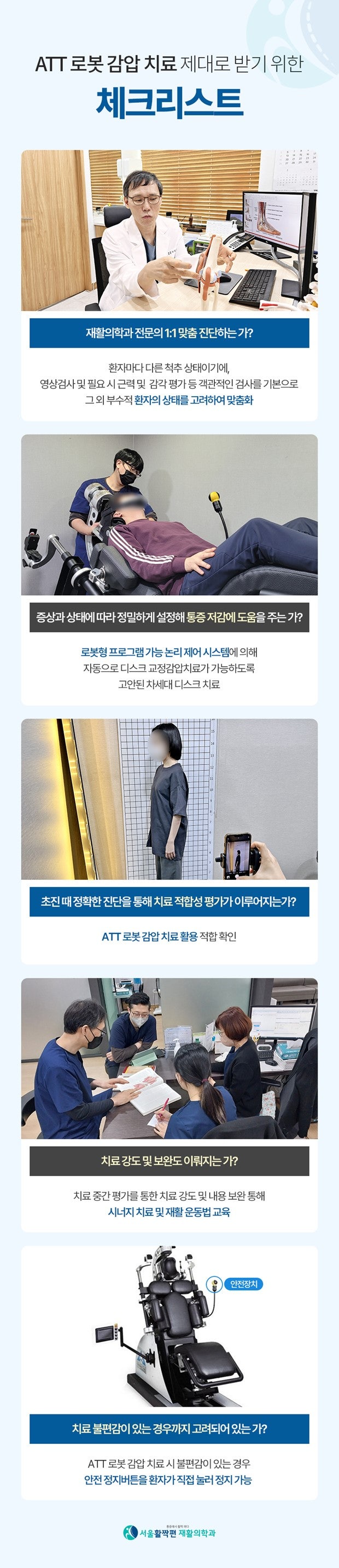
Things to Check for Effective ATT Robotic Decompression Therapy
ATT Robotic Decompression Therapy includes a mode that allows simultaneous treatment of both the neck and lower back, making it suitable for addressing overall postural imbalances.
However, the effectiveness of the therapy can vary depending on how it is applied. Therefore, if you want to get the most benefit from ATT Robotic Decompression Therapy, it’s important to carefully consider and check the following factors.
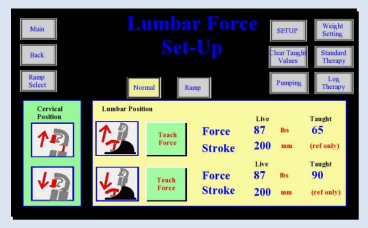
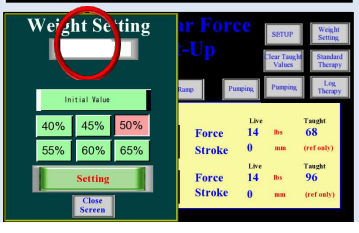
It’s also important to ensure that a rehabilitation medicine specialist is overseeing the treatment—someone who can accurately adjust the digitally programmed therapy intensity based on key factors such as the patient’s body weight, pain level (VAS), and the underlying cause of the pain. Having a specialist make these assessments is essential for maximizing the safety and effectiveness of the treatment.
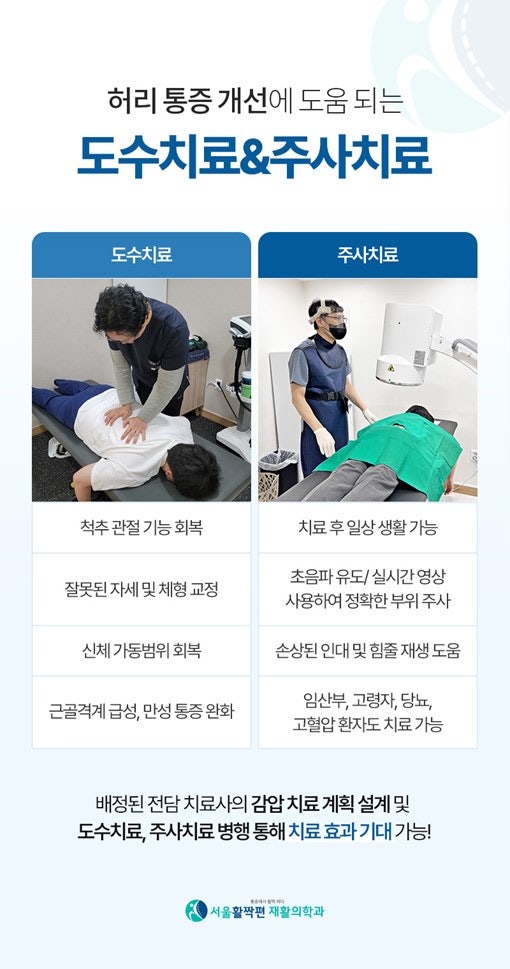
In addition, combining manual therapy and injection therapy can help identify and treat pain-inducing postures more effectively.
This integrated approach allows for a more comprehensive treatment plan, targeting both the source of the pain and the structural imbalances contributing to it.
When Should You Consider ATT Robotic Decompression Therapy?
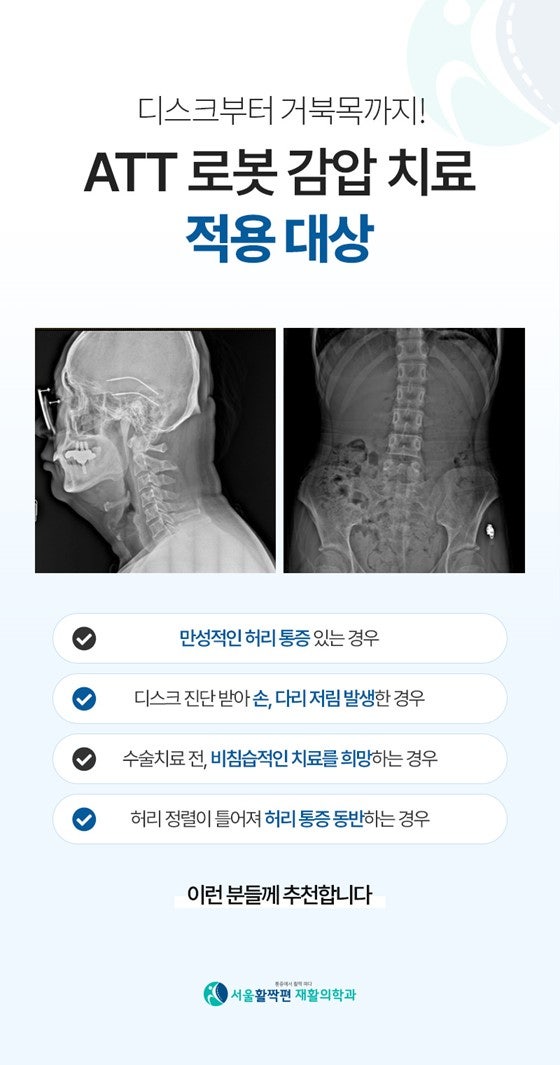
This therapy can be applied not only for simple lower back pain, but also for a wide range of spinal conditions, including:
Recurring pain caused by herniated lumbar discs Numbness in the legs or difficulty walking due to spinal stenosis Chronic spinal sprains with no history of trauma Postural issues such as scoliosis or flat back syndrome caused by poor posture Degenerative spinal conditions that develop with age Rehabilitation following spinal surgery
These days, even younger individuals are experiencing back pain due to prolonged sitting and excessive smartphone use, which can lead to conditions like straight neck, forward head posture, and lower back strain.
ATT Decompression Therapy can be helpful in such cases as well, and many patients travel from outside the local area to receive this treatment at our clinic.
What to Keep in Mind When Receiving ATT Robotic Decompression Therapy
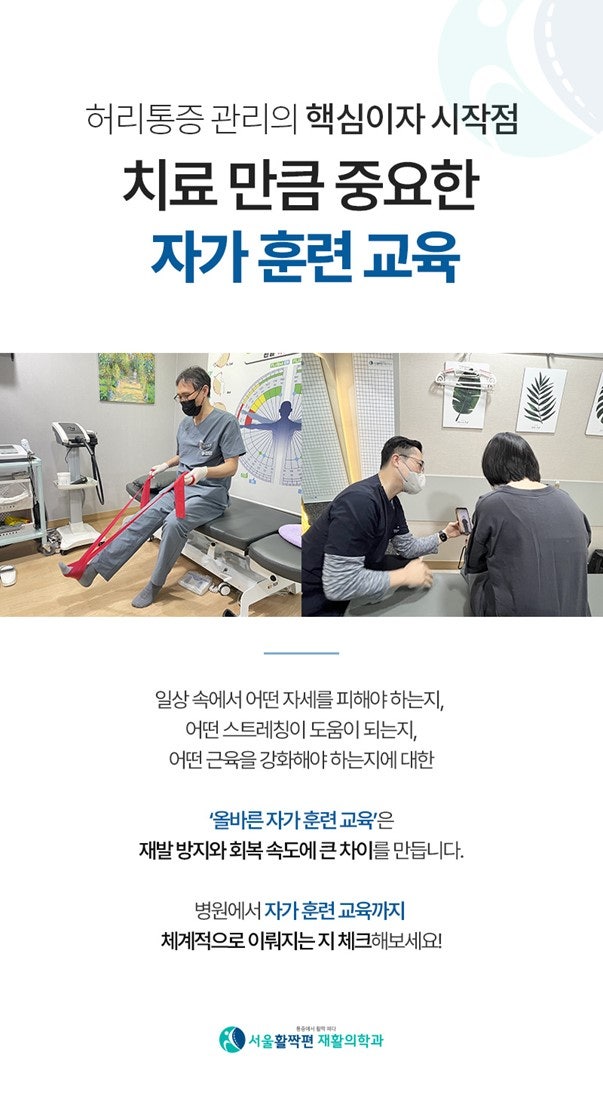
Even when undergoing this treatment, the most important factor is self-training.
Therefore, when choosing a clinic, it's important to look for one that not only provides the therapy but also guides you on improving your daily habits and teaches you what kind of exercises or education you need to focus on. This can help lead to faster recovery.
Our clinic is also committed to providing proper education to support effective self-training.
It’s Important to Receive ATT Robotic Decompression Therapy in the Right Setting
Since ATT robotic decompression therapy needs to be adjusted according to the patient’s condition—such as the angle, intensity, and direction—it is crucial to receive treatment in a facility that fully understands the equipment and can operate it appropriately.
At our clinic, we assign dedicated therapists to each patient, which allows us to provide personalized treatment programs based on each individual’s condition and physical state.
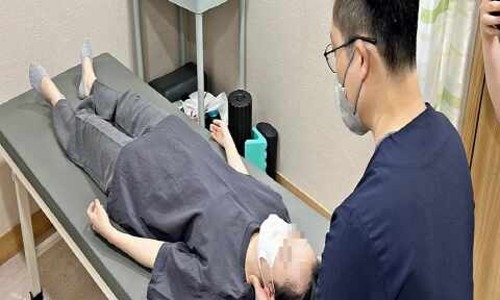
In addition to ATT robotic decompression therapy, we also offer other treatments such as chiropractic care and extracorporeal shockwave therapy. This enables patients to receive a variety of treatments tailored to their needs. You can find more detailed information about chiropractic treatment in the post below
부천손목치료, 카이로프랙틱의 원리와 효과는 무엇인가요? "통증에서 활짝 펴다." 서울활짝편재활의학과의원 블로그를 방문해 주셔서 감사합니다. 서울활짝... blog.naver.com
If you have any questions about this treatment or need assistance, please feel free to visit us at Seoul Painfree Rehabilitation Clinic anytime.
Thank you.