“I had surgery for a herniated disc a few months ago, but lately I’ve started to feel pain again. I’m worried it might have come back. What should I do in my daily life to prevent a recurrence?”
More people than you might expect experience the same concern as the patient above, even after receiving treatment for a disc problem.
Since a herniated disc can significantly affect daily life once it occurs, preventing recurrence is especially important. Even after surgery or procedures, the risk of recurrence can remain high if poor lifestyle habits and lack of exercise continue.
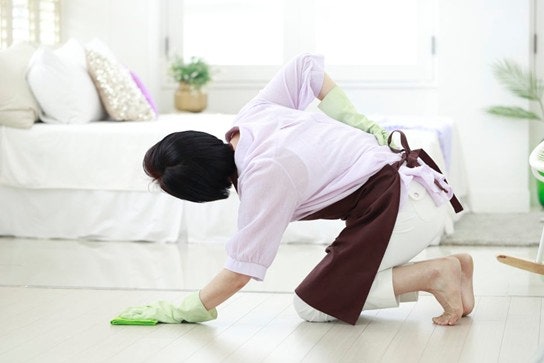
So today we’ll take a closer look at the lifestyle habits and exercise strategies to prevent disc recurrence—the topics our clinic’s patients ask about most.
Even after receiving treatment for a disc, it can come back if you don’t manage it properly. Please read our guidance carefully and try to put these recommendations into practice in your daily life.
📌 Table of contents
▪ Disc recurrence caused by poor posture ▪ Stretching and strength-building exercises ▪ Seoul Hwaljjak Rehabilitation Clinic’s self-exercise program ▪ If you’d like a comfortable treatment experience

Disc Recurrence Caused by Poor Posture
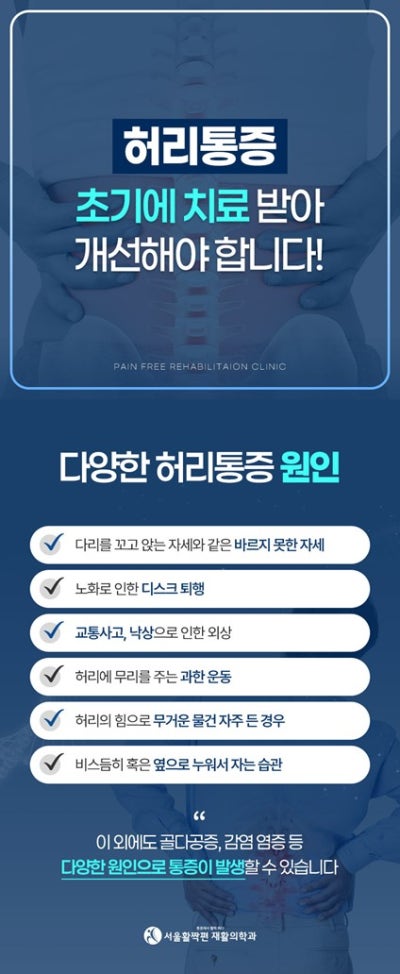
In most cases, disc recurrence begins with poor posture. Sitting hunched over at a desk for long hours or constantly looking down at a smartphone places continuous pressure on the neck and lower back. Even if there is little discomfort at first, the accumulation of this pressure can eventually cause pain again, even after surgery or treatment.
Habits such as using a high pillow or lifting heavy objects by straining the shoulders and neck instead of using the legs and core also increase the risk of recurrence. These seemingly small habits build up over time and negatively impact spinal health, which is why maintaining proper posture consciously is the first and most important step.
If you sit for long periods, it is recommended to stand up and stretch lightly for about five minutes every hour. When driving for extended periods, take breaks in between to move your neck and shoulders, which helps reduce pressure on the spine.
Although these practices may seem minor, they can make a significant difference in preventing disc recurrence in the long run.
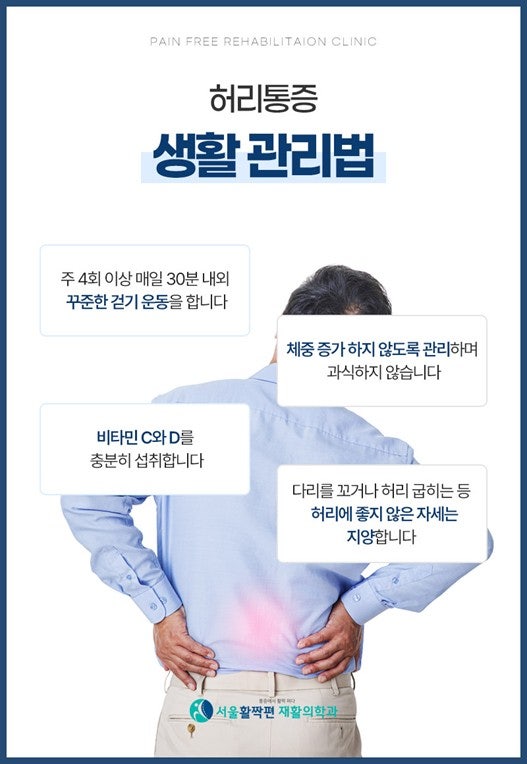
Stretching and Strengthening Exercises
The spine needs support from the surrounding muscles to stay stable. When the muscles around the neck and lower back become weak, more pressure is placed on the discs, which increases the risk of recurrence. This is why consistent stretching and strengthening exercises are essential for management.
Simple stretches, such as slowly tilting the head forward, backward, and side to side, help relieve tension in the neck. Rotating the shoulders gently or stretching them lightly can also be beneficial. In addition, using light dumbbells or resistance bands to strengthen the shoulder and back muscles improves the spine’s support system.
However, overexertion can actually worsen pain. That’s why it’s important to choose exercises and intensity levels that match your condition. If necessary, consult a specialist before and after exercising to ensure you’re proceeding safely.
Seoul Hwaljjak Rehabilitation Clinic’s Self-Exercise Program
At Seoul Hwaljjak Rehabilitation Clinic, we provide a self-exercise program so that patients can continue to maintain their spinal health in daily life after treatment.
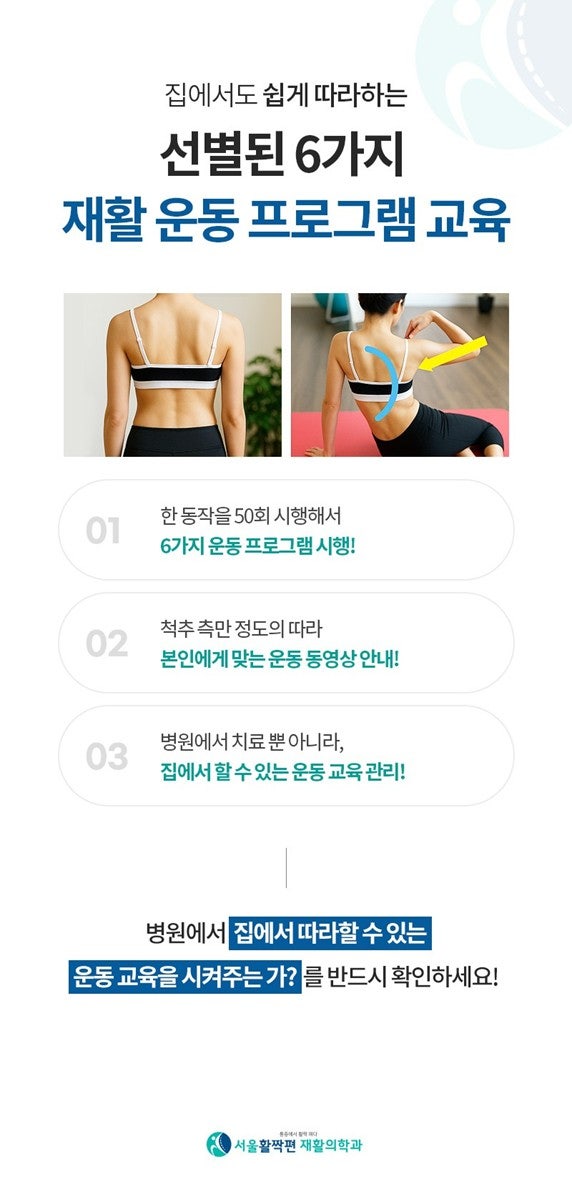
One particularly effective method is called Schroth exercise, a three-dimensional corrective exercise. It addresses not only left and right alignment, but also front-to-back balance and rotational correction, helping to improve spinal posture.
In practice, each Schroth movement is performed 50 times, with a total of 6 movements adding up to 300 repetitions. We provide direct instruction on how to perform these exercises properly, along with video links for patients to follow at home.
Since this method must be tailored to each person’s spinal curvature and angle, our clinic offers a customized program consisting of 50-repetition Schroth exercises and 6 carefully selected intensive exercises to ensure safe and effective results.
If You’d Like a Comfortable Treatment
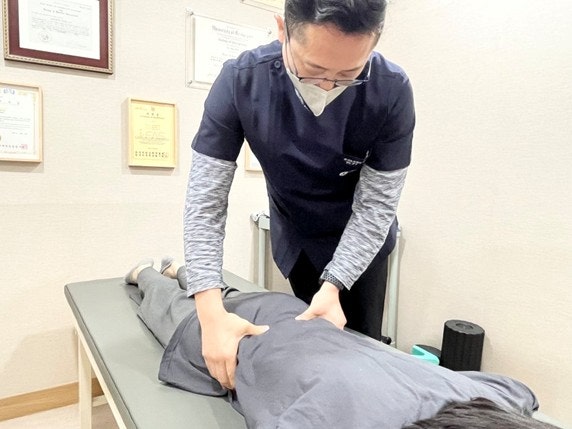
If your condition has worsened and you’re experiencing severe back pain again, it’s important to seek appropriate treatment as soon as possible. In such cases, ATT robotic decompression therapy can be a very helpful option.
This therapy allows for precise adjustment of angle and intensity, making it suitable even for patients who experience pain only with specific movements. For example, it can be customized for cases where bending forward causes sharp pain, or when turning sideways triggers tingling symptoms.
Since the treatment is performed while sitting comfortably, there is minimal strain on the body. It is also virtually painless, making it an excellent choice for those who may feel burdened or hesitant about undergoing treatment.