My back hurts so much that even walking is difficult. I also feel a constant tingling and pulling sensation down my leg. I’ve taken medication and tried physical therapy, but there’s been no improvement. Is surgery my only option now?
Back and neck pain are among the most common complaints in modern society. In particular, when a herniated disc in the lower back or neck compresses the nerves, it can cause not only pain but also radiating numbness, tingling in the arms or legs, and even muscle weakness.
However, since undergoing surgery can be quite burdensome, many people look for non-surgical alternatives. One of the most representative treatments for such cases is nerve block therapy.
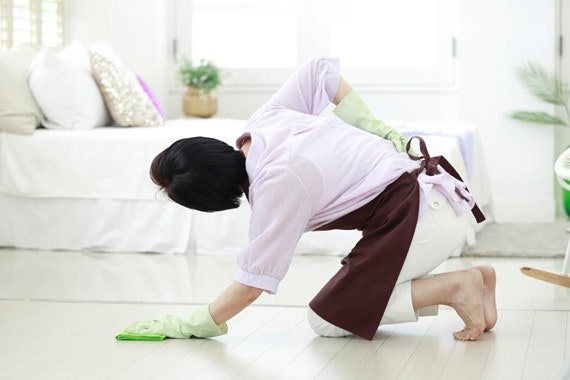
Today we’ll take a closer look at what nerve block therapy is, and review the symptoms and treatment process for lumbar and cervical disc problems that may require this procedure.
If you’ve been feeling pain in your neck or lower back and that discomfort has been gradually getting worse, please read today’s guide carefully — it’s made for you.
📌 Contents ▪ What is a nerve block? ▪ Advantages and features of nerve block therapy ▪ What kinds of pain can a nerve block help? ▪ Why efforts to prevent pain recurrence are necessary.
What is a Nerve Block?
A nerve block is a procedure in which medication is directly injected around the nerves that cause pain to reduce inflammation and relieve discomfort.
The nerves surrounding the spine can become compressed or inflamed for various reasons, resulting in severe pain. Nerve block therapy focuses on addressing the root cause of that pain by blocking the transmission of pain signals.
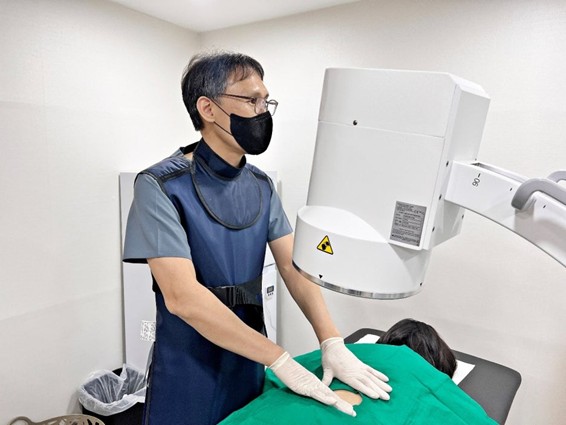
Using imaging equipment such as X-ray (C-arm) or ultrasound, the exact location of the affected nerve is identified. Then, medication is precisely injected through a fine needle into the targeted area.
The injected medication usually contains anesthetics and anti-inflammatory agents, which help reduce swelling and inflammation around the nerves. This prevents pain signals from being transmitted to the brain, allowing patients to experience pain relief in a relatively short period of time.
Advantages and Features of Nerve Block Therapy
A minimally invasive, low-burden treatment
Nerve block therapy is a non-surgical procedure that does not require incisions or general anesthesia. The procedure takes only about 10–15 minutes and leaves no scars, allowing patients to return to their daily activities quickly.
It is also considered highly safe, with minimal side effects even after repeated treatments. This makes it an effective option for elderly patients or those with chronic conditions such as diabetes or high blood pressure, for whom surgery may be risky. If you’ve been hesitant to undergo treatment due to fear of surgery, nerve block therapy may provide a path toward relief from your pain.
Reduced concern about steroid use
The steroids used in nerve block therapy are administered in very small amounts — about one-tenth of the standard dosage. They are used to effectively suppress inflammation, but because the dosage is much lower than usual, patients who have been concerned about steroid use can feel more comfortable receiving this treatment.
Moreover, the procedure precisely targets only the affected area, which significantly reduces the risk of side effects while maximizing treatment accuracy.
What Types of Pain Can Nerve Block Therapy Help With?
Nerve block therapy can be effective for nerve-related pain caused by conditions such as herniated discs in the lower back or neck and spinal stenosis. It is especially helpful for relieving radiating pain that extends from the lower back to the hips and legs, or from the neck to the arms and hands.
This treatment can also be a good alternative for patients who do not respond well to conventional treatments such as physical therapy or medication, or for those who prefer to avoid surgery.
If you’ve been struggling with persistent pain in your back, neck, or shoulders, it’s important to receive an accurate diagnosis to identify the exact cause of your symptoms — and to actively consider non-surgical treatment options that best fit your condition.

Why Effort Is Needed to Prevent Pain Recurrence
After the procedure, you may experience temporary swelling, bruising, or tingling around the injection site, but these symptoms usually subside naturally within a few days. To support recovery, it’s best to avoid excessive activity and get sufficient rest on the day of the procedure.
However, it’s important to note that nerve block therapy relieves pain effectively but does not completely resolve the underlying cause of the pain.
Therefore, to prevent the recurrence of symptoms, maintaining proper posture and engaging in regular, appropriate exercise are essential.
Simple daily habits can make a big difference in protecting your spine health — such as bending your knees instead of your back when lifting heavy objects, doing gentle stretches during long periods of sitting, and relaxing your muscles with a warm compress before bed.
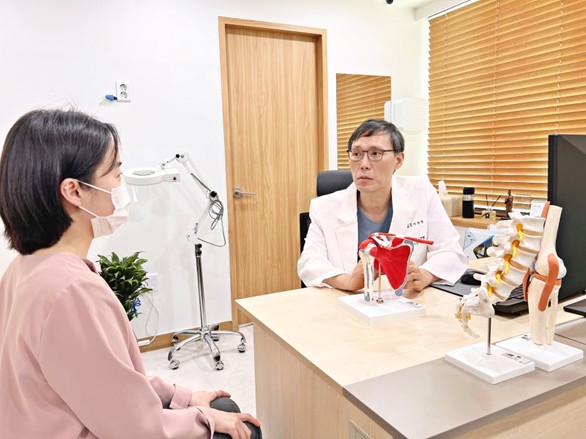
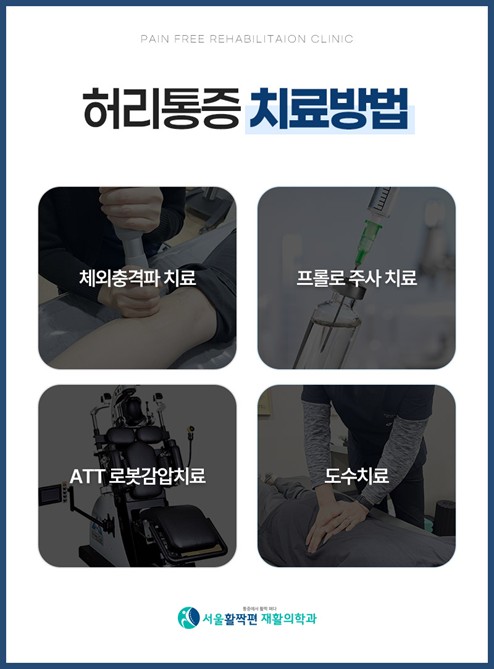
At Seoul Painfree Rehabilitation Clinic, we also provide additional treatments that can help relieve pressure on compressed nerves. One of these is ATT robotic spinal decompression therapy, which is designed to reduce nerve compression and promote spinal relief.
This treatment is performed while you are comfortably lying down, and the device gently adjusts spinal movements — including extension, flexion, and rotation — according to each individual’s condition, helping to reduce disc pressure effectively.
In addition to this, we offer a variety of other treatments such as chiropractic care, extracorporeal shockwave therapy (ESWT), and various exercise and rehabilitation programs tailored to each patient’s needs.
🔽 Chiropractic Treatment 🔽
What Are the Principles and Effects of Chiropractic Care? “Free from pain.” Thank you for visiting the official blog of Seoul Painfree Rehabilitation Clinic. 👉 https://blog.naver.com/painfree3004/223879250764
Cases requiring manual therapyMisaligned Spine and Joints — Manual Therapy Can Help Realign Them Poor posture, unhealth...칼럼 읽기 ›(Seoul Painfree Rehabilitation Clinic)
If you’ve been struggling with neck or back problems, we encourage you to visit Seoul Painfree Rehabilitation Clinic before your condition worsens. Thank you.