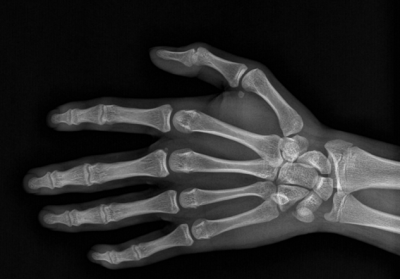
My hands tingle every night, and my grip feels weak when I try to hold objects. I’m not sure if this is a problem with my wrist itself or if my neck is the cause. I’ve heard that neck issues can affect the hands or arms—is that true?
Hand numbness and wrist pain are often mistaken for simple fatigue or a local wrist condition, but in many cases they actually stem from nerve compression.
In particular, when the nerves coming from the cervical spine (neck) are compressed—or when the median nerve is compressed in the wrist, as in carpal tunnel syndrome—these issues can arise. Although the symptoms may appear similar, the causes and treatment approaches differ, making an accurate distinction essential.

Today we'll take a look at the major conditions that cause wrist pain and numbness. If you've been troubled by similar symptoms, please read the information we provide carefully.
📌 Contents Common causes of hand numbness How to distinguish carpal tunnel syndrome from cervical (neck) disorders Confirming the exact cause with electromyography (EMG) Non-surgical treatment approaches

Common Causes of Hand Numbness
Hand numbness or decreased sensation usually occurs when a nerve is compressed. One of the most common causes is carpal tunnel syndrome, which develops when the median nerve is compressed as it passes through the narrow tunnel in the wrist. This typically produces numbness or pain in the thumb, index finger, middle finger, and part of the ring finger.
In contrast, hand numbness caused by cervical spine disorders—such as a cervical disc herniation—occurs when nerves in the neck are compressed. Because the nerves that originate in the cervical spine extend through the shoulder and arm all the way down to the fingertips, problems in the neck can cause numbness or pain that spreads throughout the entire hand. In short, wrist-related issues tend to cause localized symptoms, whereas cervical spine problems often lead to discomfort that affects a broader area.

How to Distinguish Carpal Tunnel Syndrome from Cervical Spine Disorders
Carpal tunnel syndrome is common among people who use their hands extensively—such as office workers who spend long hours on a computer, hairdressers, and homemakers.
Symptoms frequently worsen at night because the wrist often bends during sleep, increasing pressure on the nerve. If your hands feel stiff in the morning or you notice reduced sensation when gripping objects, carpal tunnel syndrome may be the cause.
In contrast, cervical spine disorders arise from degenerative changes in the neck or from poor posture. Prolonged smartphone use or keeping the head bent forward for an extended time can tense the neck muscles and compress the nerves. In these cases, hand numbness may be accompanied by shoulder tightness, arm numbness, neck stiffness, headaches, or even pain radiating down the entire arm.
Identifying the Exact Cause Through Electromyography (EMG)
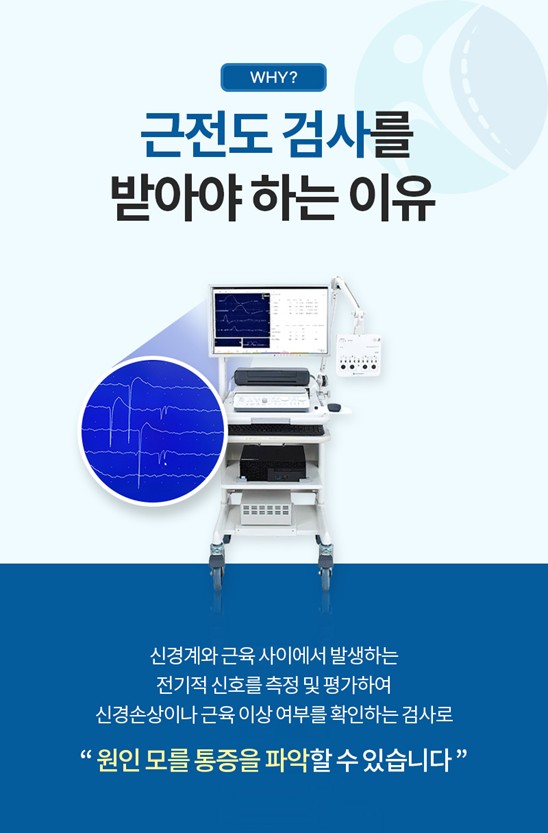
If hand numbness persists for a long time or if it’s difficult to determine the cause, it is advisable to undergo an electromyography (EMG) test. EMG objectively measures whether a nerve is damaged and identifies the exact location of the compression.
By evaluating the electrical activity of the nerves, this test can determine whether the issue originates from cervical nerve compression or from a localized problem in the wrist.
Because it is often difficult to pinpoint the cause with simple palpation or X-rays alone, an EMG is recommended when hand numbness continues. Based on the results, appropriate treatment options—such as non-surgical therapies or physical therapy—can be selected.
Non-Surgical Treatment Approaches
Whether hand numbness is caused by carpal tunnel syndrome or a cervical spine disorder, early diagnosis is essential. If symptoms recur or persist for a long time, it is difficult to improve with rest alone, so an accurate medical evaluation is necessary.
Non-surgical treatment options include physical therapy, extracorporeal shockwave therapy (ESWT), and manual therapy. These treatments help relieve muscle and nerve tension and improve blood circulation without directly irritating the painful area.
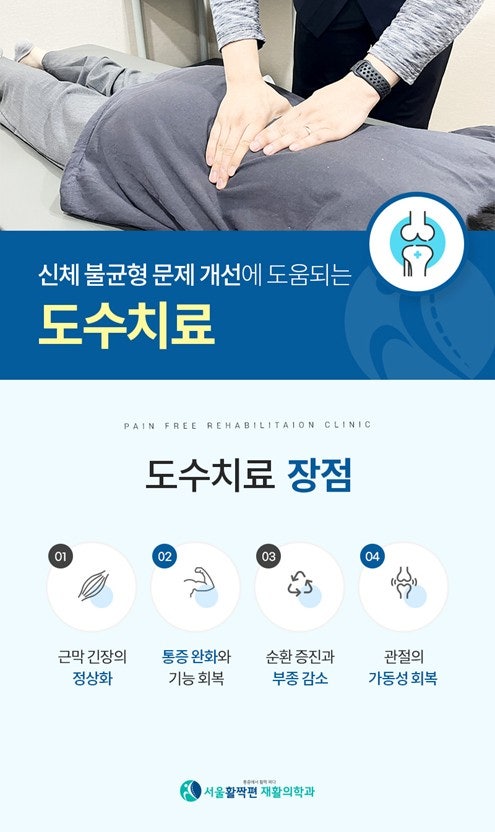
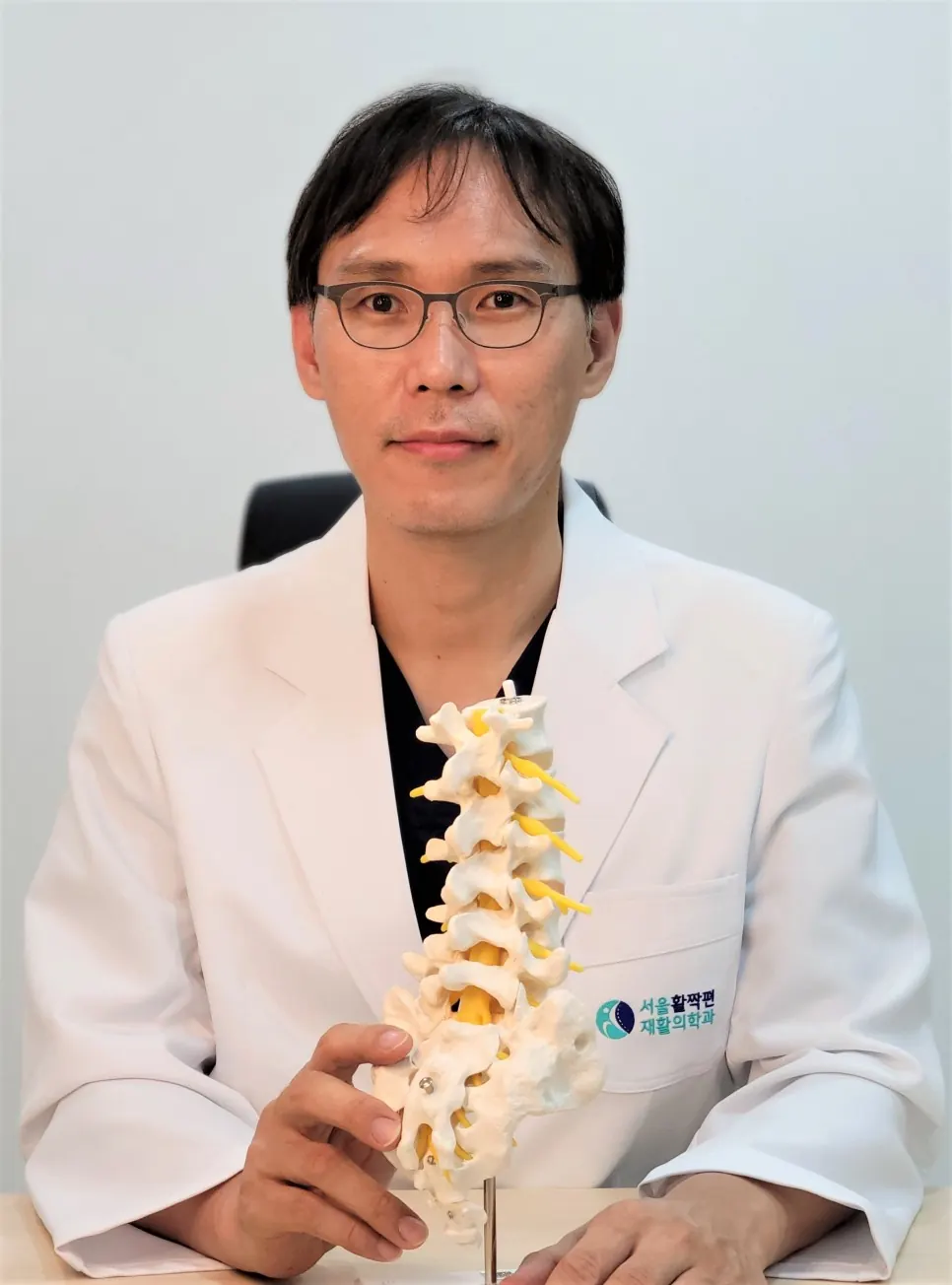
In particular, manual therapy at our clinic is performed directly by medical staff possessing formal Chiropractic qualifications. Since these official credentials cannot be obtained within Korea, such specialists are rare. However, at our clinic, these experts provide care to you directly.
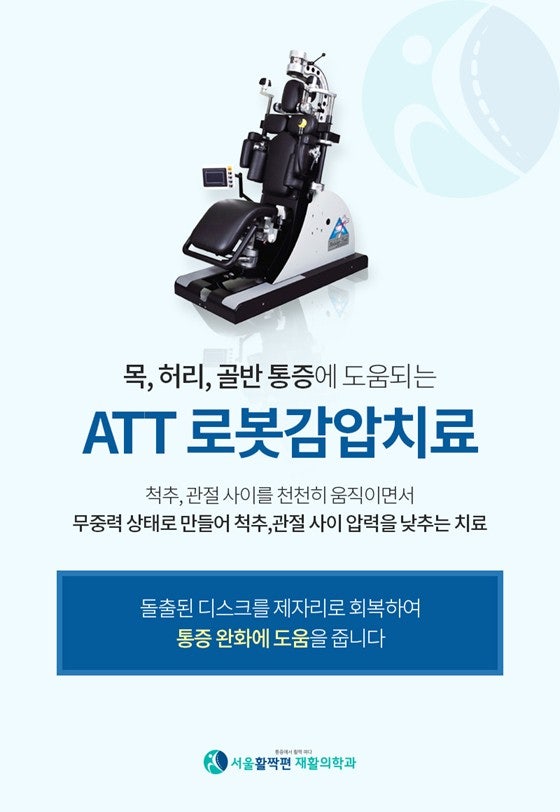
There is also another treatment option often used when nerve compression causes various symptoms: ATT robotic decompression therapy. This is a non-surgical treatment that can be performed comfortably, helping reduce the pressure placed on the nerves and thereby relieving pain.
We also offer evening appointments on Wednesdays and Sunday consultations, making it easier for those with busy weekday schedules to receive treatment.
If you are experiencing significant discomfort due to persistent pain, we encourage you to visit Seoul Painfree Rehabilitation Clinic.
Thank you.