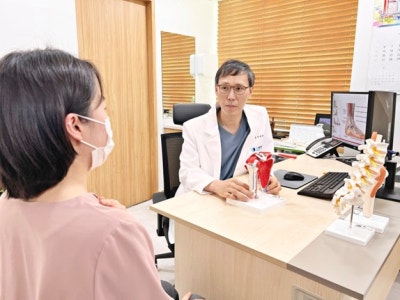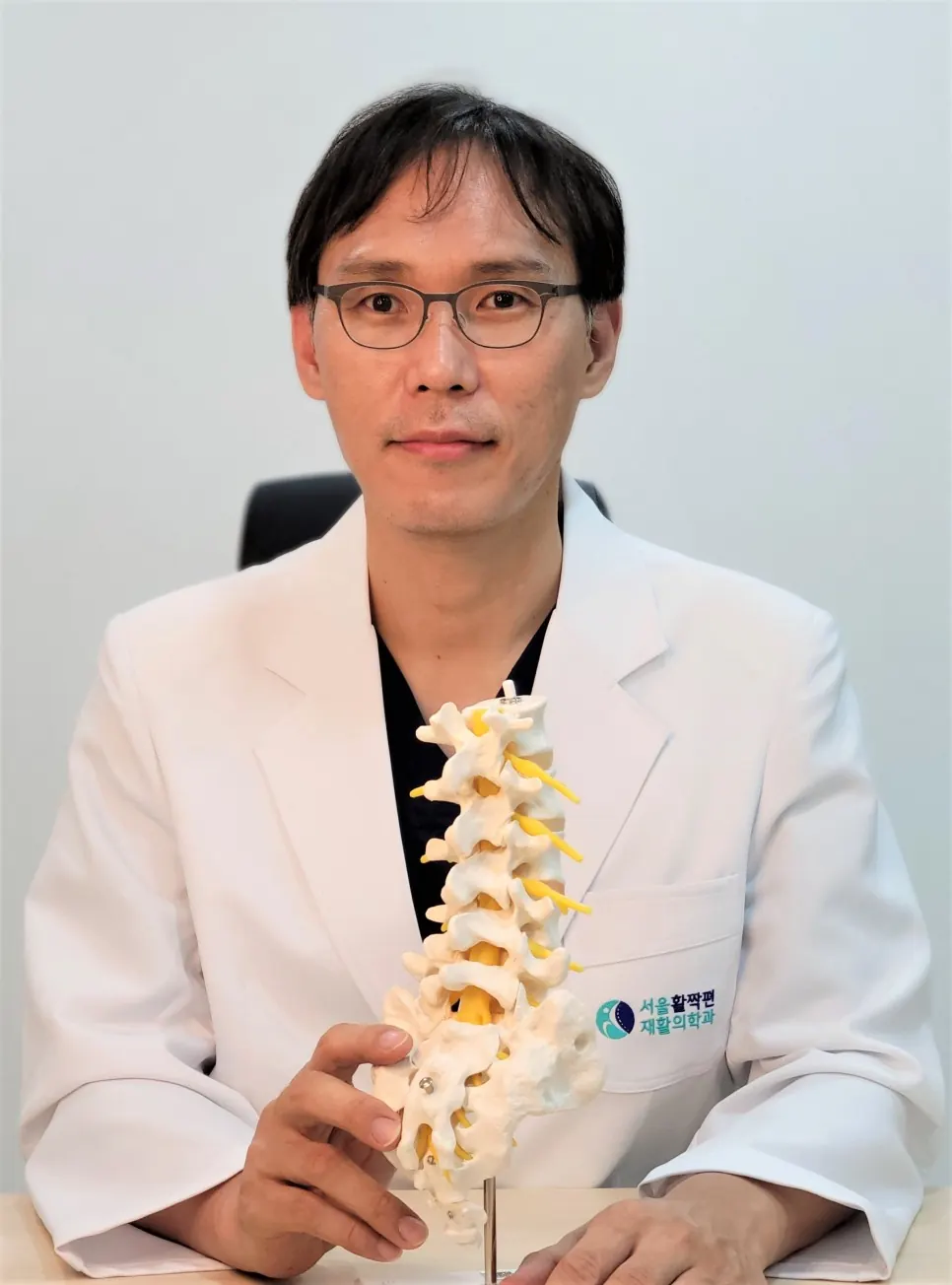
I extend my greetings on behalf of Dr. Lee Jin-young, the clinic’s director.
The shoulder is the only joint in the human body capable of 360-degree rotation, which gives it a wide range of motion but also makes it more prone to injuries.
In reality, many patients come to clinics with shoulder pain and restricted range of motion. Most of these patients assume they have the most well-known shoulder condition, frozen shoulder, but among them, there are also many who are diagnosed with rotator cuff tears based on examination results.
A patient I recently treated was one such case.
I've been experiencing shoulder pain for the past year. At first, I could tolerate it, but as time passed, it has been getting progressively worse, and I find it increasingly difficult to move. I think it might be frozen shoulder. However, even though I endure the pain and try to move, I can barely do simple tasks like combing my hair or washing my face. Do you think I have frozen shoulder?
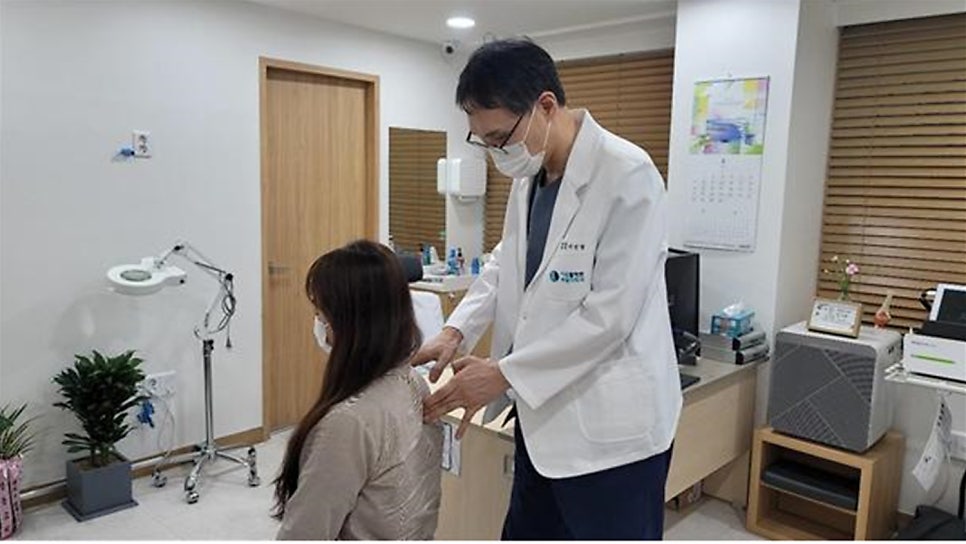
This person was diagnosed with a rotator cuff tear. Many people may not know how to distinguish between these two conditions.
So today, let's briefly understand what frozen shoulder and easily mistaken rotator cuff tears are, and I'll explain how to differentiate between them.
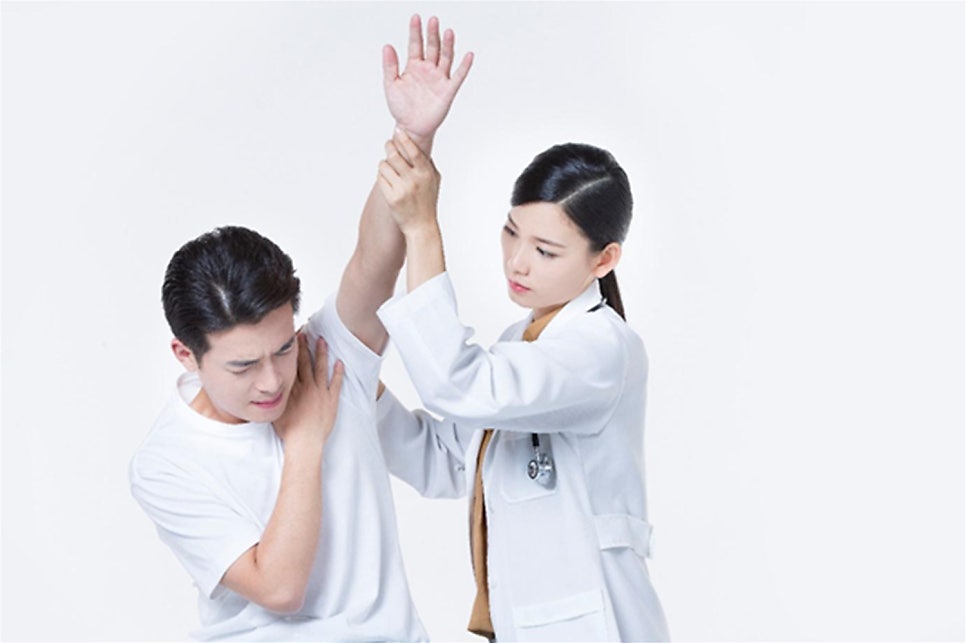
What are the causes of a rotator cuff tear?
To begin with, rotator cuff tears occur due to repetitive use, impact, or trauma.
The rotator cuff refers to the four tendons surrounding the shoulder: the supraspinatus, infraspinatus, teres minor, and subscapularis. These four tendons are termed the "rotator cuff" because they facilitate the rotational movement of the arm upward, downward, inward, and outward.
While rotator cuff tears are more prevalent among the elderly due to aging and degenerative changes, they are also increasingly common among younger individuals, particularly those engaged in sports involving repetitive shoulder movements like golf, baseball, and tennis, or vigorous exercise.
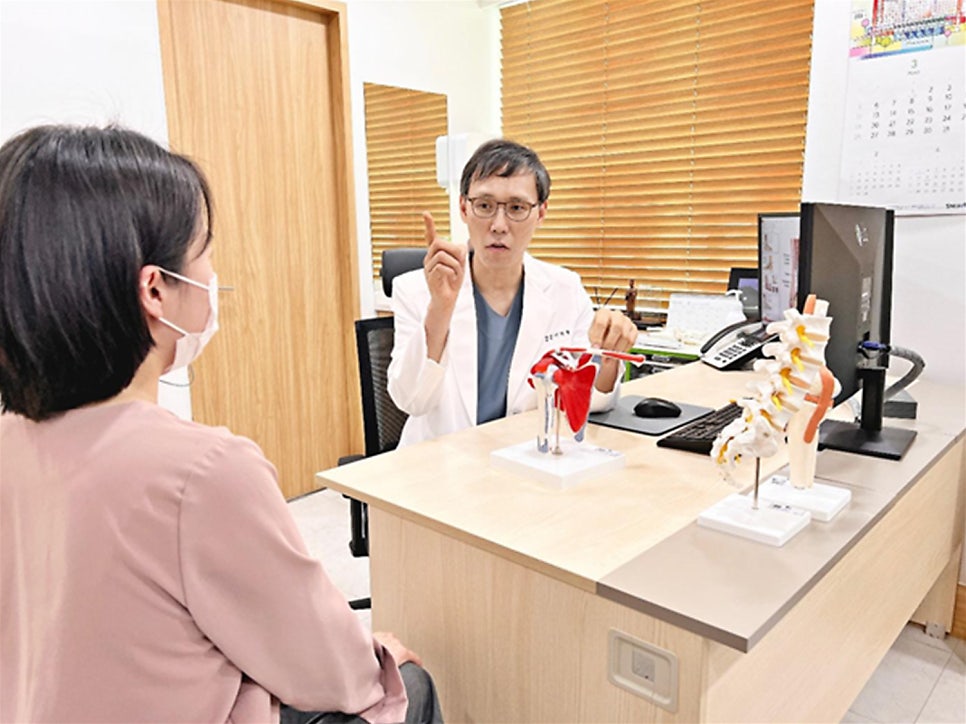
What are the symptoms of a rotator cuff tear?
When lifting the arm (120~160 degrees), there is often pain, but the pain tends to ease when lifting it all the way. This means that some degree of movement is still possible . In the early stages of a rotator cuff tear, there is localized pain in the front and side of the shoulder when lifting the arm to shoulder height.
As the condition progresses, pain may persist even without movement, and in severe cases, the pain may be so intense that it prevents the individual from lifting their arm actively. However, in this situation, assistance from someone else to lift the arm passively is usually possible. This is the key difference from frozen shoulder.
In frozen shoulder, whether lifted actively or passively by someone else, raising the arm is difficult. In other words, while both conditions limit active range of motion, only rotator cuff tears restrict passive range of motion.
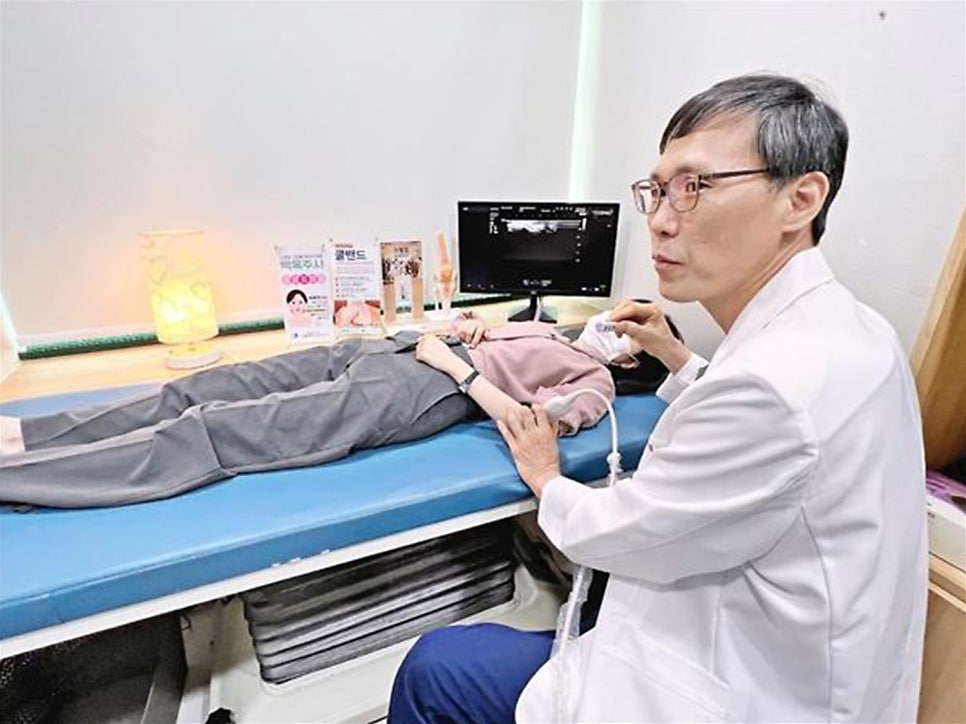
How is a rotator cuff tear diagnosed?
The diagnosis of a rotator cuff tear requires a precise physical examination by a specialist and imaging studies such as ultrasound.
If the supraspinatus tendon is torn, there is typically pain in the front of the shoulder joint, making it difficult to lift the arm independently. Pain is particularly severe between 120 and 160 degrees of elevation.
The differences between frozen shoulder and rotator cuff tear
The official name for frozen shoulder is adhesive capsulitis. As the name suggests, it's a condition where the shoulder joint capsule becomes adhered or stuck due to inflammation. Because of this, the entire shoulder hurts, and the joint capsule itself is physically adhered, limiting movement whether active or passive.
On the other hand, a rotator cuff tear has a difference in that passive range of motion is typically normal. Additionally, pain is mainly located in the front of the shoulder joint, and particularly severe pain occurs when lifting the arm, especially between 120 and 160 degrees of elevation.

Seoul Painfree Rehabilitation Medicine strives for meticulous diagnosis!
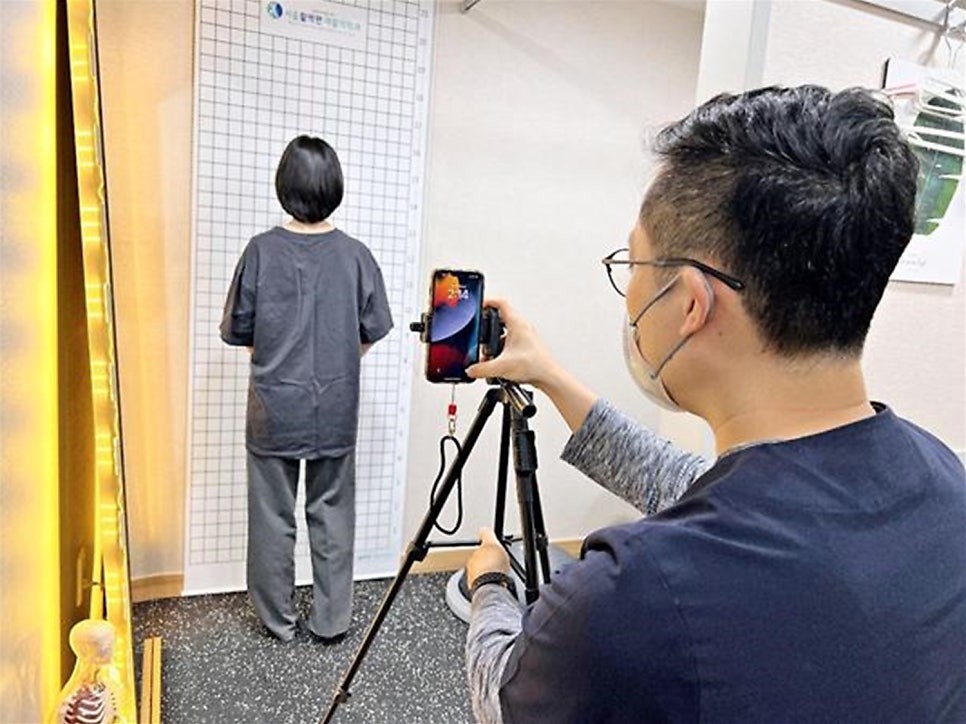
"Seoul Painfree Rehabilitation Medicine" emphasizes meticulous diagnosis through thorough medical history-taking, physical examinations, X-rays, ultrasound, and other imaging tests as a baseline. Additionally, a detailed diagnostic process analyzes each patient's physique, posture, gait, and movements.
This diagnostic and treatment system is named the 'Health Traffic Light' and serves as a guiding principle for medical practice. Based on this system, patients receive thorough and meticulous diagnoses, and personalized treatment plans are tailored to each individual.
"Spreading relief from pain." Seoul Painfree Rehabilitation Medicine always wishes for your health and happiness.
Thank you.