Among the patients who visit us for ankle or back pain, there are quite a few who come specifically requesting prolotherapy.
As I've been exercising, I've frequently injured the ligaments in my ankles and knees, so I've been receiving treatment. However, the relief is only temporary, and the pain returns, so I haven't experienced lasting effects. A friend of mine said that they improved after receiving prolotherapy, so I want to learn more about this treatment and whether it would be effective for me. I'm a bit worried, though. Will prolotherapy be helpful for me? Is it necessary to undergo multiple sessions for this treatment?
Many patients are curious if prolotherapy might help with their pain, especially since they hear about its effectiveness from others and can easily find information about it online. There are more patients than expected showing interest in prolotherapy. Additionally, those who do not see improvement with traditional treatment methods seem to be particularly keen on learning more about prolotherapy.
So, this time, I would like to explain prolotherapy, one of the non-surgical pain treatments.

What kind of treatment is prolotherapy?
Prolotherapy derives its name from the English word "proliferation," meaning growth or formation. The history of this treatment is extensive, dating back to 400 BC when Hippocrates used it for shoulder lesions [Andersen A. Pract Pain Manag. 2015;15(4)].
Prolotherapy, also known as proliferative therapy, gets its name from its primary mechanism of action, which involves promoting tissue growth. This mechanism is not unfamiliar, as it harnesses the body's natural healing processes. For example, when our body sustains an injury, the healing process follows stages of hemostasis, inflammation, proliferation, and maturation (remodeling). Prolotherapy aims to activate this natural healing mechanism at the targeted area, facilitating repair and regeneration.
The main mechanism of prolotherapy involves inducing an inflammatory response followed by proliferation and remodeling. This process strengthens weakened or damaged ligaments and tendons. Due to this strengthening effect, prolotherapy is also known as "ligament strengthening injection."
As a non-surgical treatment method, prolotherapy effectively addresses the root causes of pain, making it a valuable option for pain management.

What is the principle of prolotherapy?
Most pain conditions are accompanied by inflammation, which causes the pain, so treatments typically aim to reduce inflammation. However, prolotherapy, on the other hand, intentionally induces inflammation to activate the healing mechanism.
To make an easy analogy with a forest fire: anti-inflammatory medications or steroids are like using water to extinguish the fire, while prolotherapy is like deliberately setting a controlled burn in a fire-prone area to stimulate nature's regenerative power and prevent the area from becoming desolate.
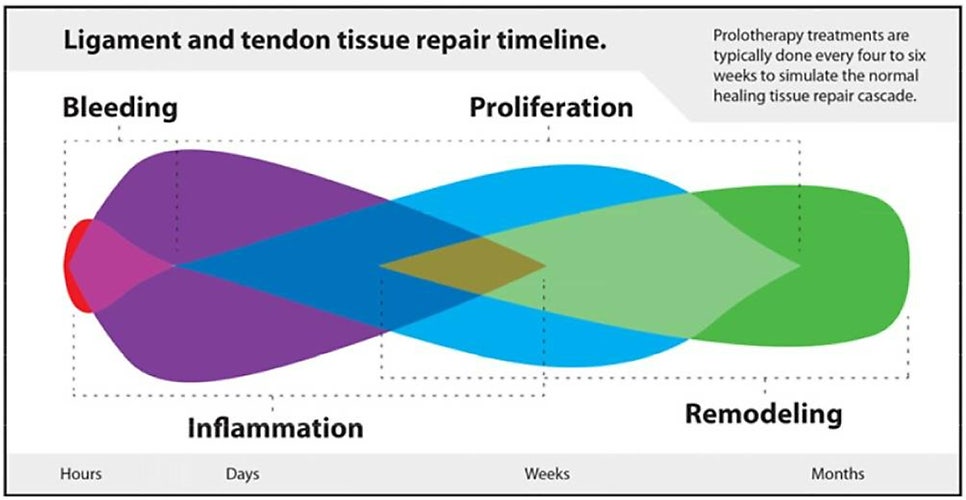
The physiological mechanism of prolotherapy involves three stages: inflammation, proliferation, and remodeling. Through these stages, the treatment induces healing and recovery, effectively treating the damaged area [Clin Med Insights Arthritis Musculoskelet Disord. 2016 Jul 7;9:139-59.]
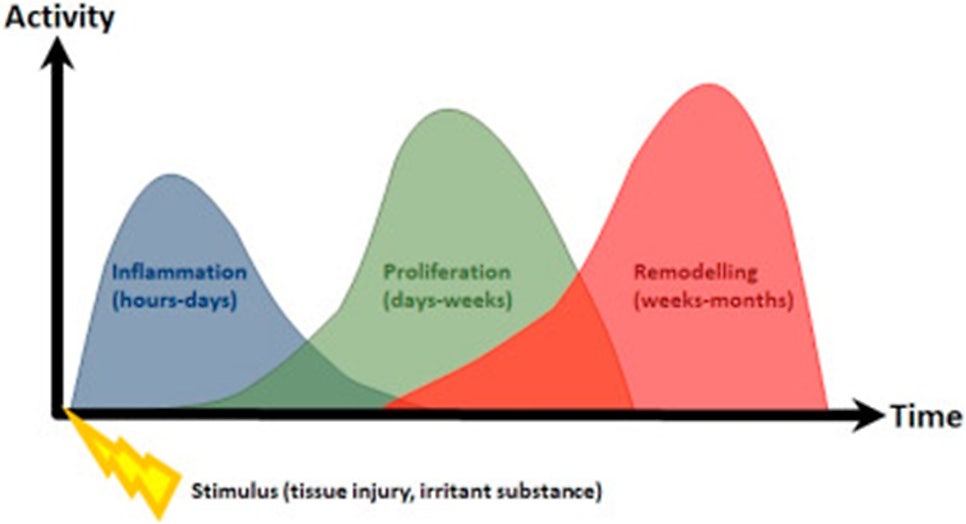
The mechanism of action of prolotherapy involves three stages: inflammation (hours to days), proliferation (days to weeks), and remodeling (weeks to months) [Journal of Clinical Orthopaedics and Trauma Volume 19, August 2021, Pages 108-117].
Prolotherapy works by injecting inflammatory agents into weakened tendons and ligaments to stimulate an inflammatory response. During the proliferation and remodeling stages, the tissues at the lesion site are strengthened and robustly healed compared to their previous state.
The main component used in these injections is hypertonic dextrose, which is safe with minimal risk of allergic reactions
Furthermore, by strengthening damaged tendons and ligaments, prolotherapy effectively prevents recurrence and improves joint mobility by reducing pain. [Pediatrics. 2011;128(5)–8] [J Oral Maxillofac Surg. 2011;69(12):2962–70]
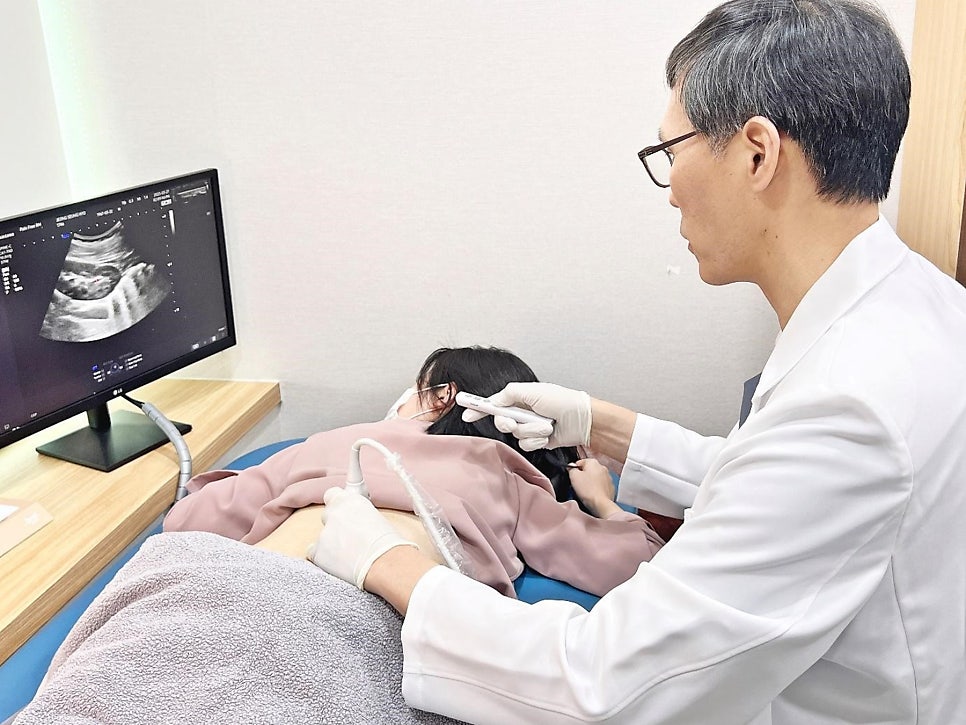
The procedure of prolotherapy is as follows:
Identify the location of ligaments and tendons causing pain through physical examination and imaging studies. Use real-time ultrasound to confirm the treatment area and reconfirm the injection site to ensure that surrounding tissues such as blood vessels and nerves are not damaged. Inject a mixture of hypertonic dextrose and a small amount of local anesthetic into the treatment area. This precise process of prolotherapy aims to strengthen damaged tissues and promote recovery without compromising surrounding tissues.

What conditions can benefit from prolotherapy?
Conditions that can benefit from prolotherapy include musculoskeletal disorders primarily involving damaged ligaments and tendons. Therefore, it is an effective non-surgical treatment for various musculoskeletal conditions. Prolotherapy can be helpful for conditions such as:
Myofascial pain syndrome Rotator cuff injuries Joint pain (e.g., tennis elbow, golfer's elbow) Ligament injuries Triangular fibrocartilage complex (TFCC) injury of the wrist Achilles tendonitis Plantar fasciitis Chronic low back pain Knee joint disorders These are among the many conditions where prolotherapy may provide relief or assistance.
Conditions that can benefit from prolotherapy include:
Tendonitis Temporomandibular joint (TMJ) disorders Achilles tendonitis Traumatic arthritis (e.g., elbow) Patellar tendonitis Plantar fasciitis Hip joint pain Shoulder joint pain Osteoarthritis Spinal and pelvic pain (sacroiliac joint) Disc pain Myofascial pain syndrome
Patients should be aware of the following considerations:
Prolotherapy intentionally induces inflammation, which may cause discomfort for 1-2 days after the procedure. However, this discomfort indicates that the mechanism of inflammation-proliferation-remodeling is functioning effectively. It is a normal part of the healing process, so there is generally no need to worry excessively. Avoiding anti-inflammatory medications such as ibuprofen or aspirin is recommended, as they can reduce the effectiveness of the treatment. Instead, acetaminophen (Tylenol) or other non-inflammatory pain relievers can be used if necessary.
To optimize treatment outcomes, prolotherapy sessions should be repeated at regular intervals. As time passes, the body's response to the inflammation-proliferation-remodeling mechanism diminishes, reducing natural healing capabilities. Therefore, it's important to schedule follow-up injections before the effectiveness of prolotherapy diminishes significantly.
Typically, treatments are spaced 1-2 weeks apart, with 3-6 sessions recommended. Longer intervals between sessions can lead to reduced effectiveness. Patients are advised to adhere closely to the treatment schedule to maximize benefits, though the specific number of injections and intervals may vary depending on the type and location of the condition.
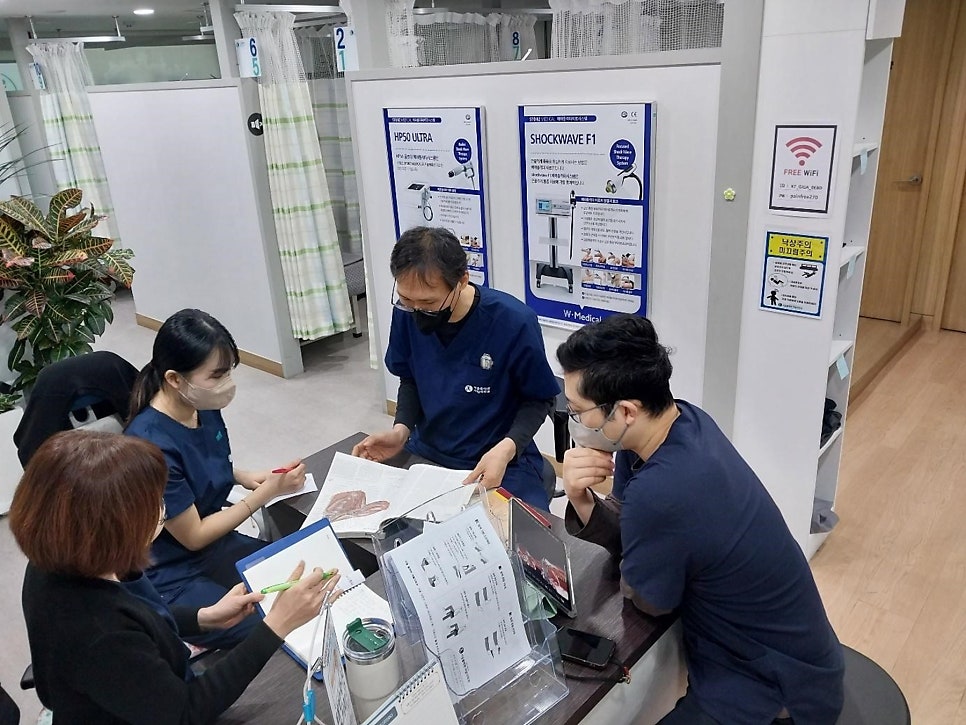
Seoul Hwaljak Rehabilitation Medicine Clinic's Prolotherapy
There exists variability in treatment response among patients receiving prolotherapy injections. This is due to differences in the extent of injury and individual recovery capabilities.
While some patients may experience significant improvement after just 1 or 2 sessions of injections, others may see limited effects even after 5 or more sessions. Therefore, personalized treatment tailored to individual patient responses is essential.
At Seoul Painfree Rehabilitation Medicine Clinic, we conduct weekly case studies to ensure the best personalized treatment possible for our patients. We deeply review each patient's case to strive for the most appropriate treatment.
All our medical staff are dedicated to researching diligently with a sense of responsibility towards restoring our patients to a healthy life.
Moreover, precise prolotherapy injections are performed using ultrasound, led by specialists who have extensive clinical experience and backgrounds as professors at university hospitals.
"Free from pain." Seoul Painfree Rehabilitation Medicine Clinic wishes for the health and happiness of our patients.
Thank you.
References and Literature:
Hauser RA, Lackner JB, Steilen-Matias D, Harris DK. A Systematic Review of Dextrose Prolotherapy for Chronic Musculoskeletal Pain. Clin Med Insights Arthritis Musculoskelet Disord. 2016 Jul 7;9:139-59. Topol GA, Podesta LA, Reeves KD, Raya MF, Fullerton BD, Yeh HW. Hyperosmolar dextrose injection for recalcitrant Osgood–Schlatter disease. Pediatrics. 2011;128(5):e1121–8. Refai H, Altahhan O, Elsharkawy R. The efficacy of dextrose prolotherapy for temporomandibular joint hypermobility: a preliminary prospective, randomized, double-blind, placebo-controlled clinical trial. J Oral Maxillofac Surg. 2011;69(12):2962–70.