
I’ve been experiencing tingling in my left fingers for the past few days, especially in the 4th and 5th fingers. It seems like I have less strength, and it’s difficult to press down firmly on the strings. Let me share a patient’s story who came in with similar symptoms.
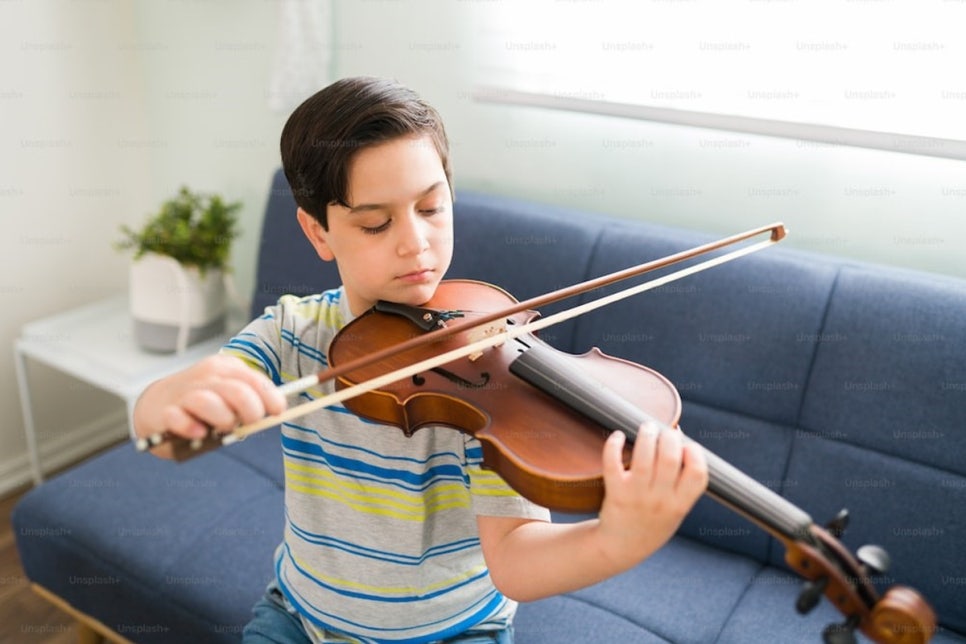
In violin playing, the left hand holds the instrument and presses the strings according to the scale, while the shoulder and neck help to stabilize the instrument. As a result, the muscles remain in a tense state. The right hand, which moves the bow, also maintains a tense posture as it hovers above the strings.
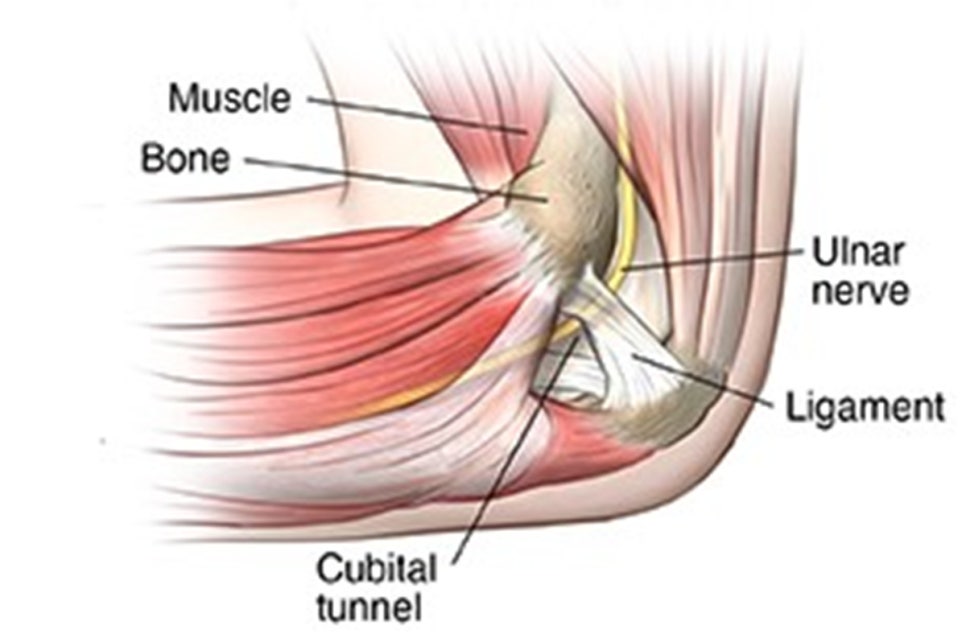
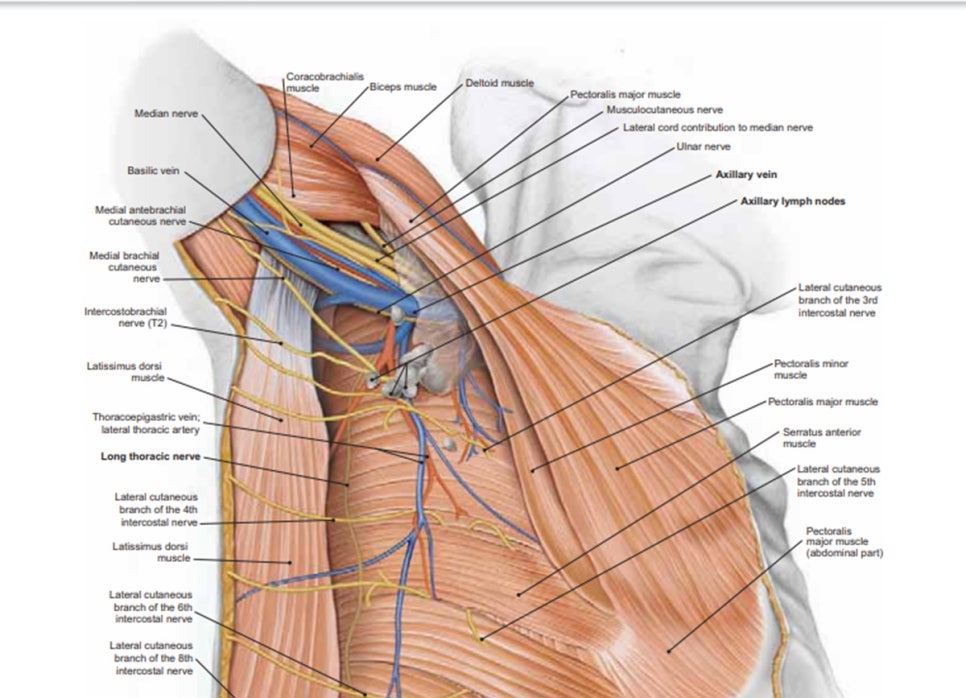
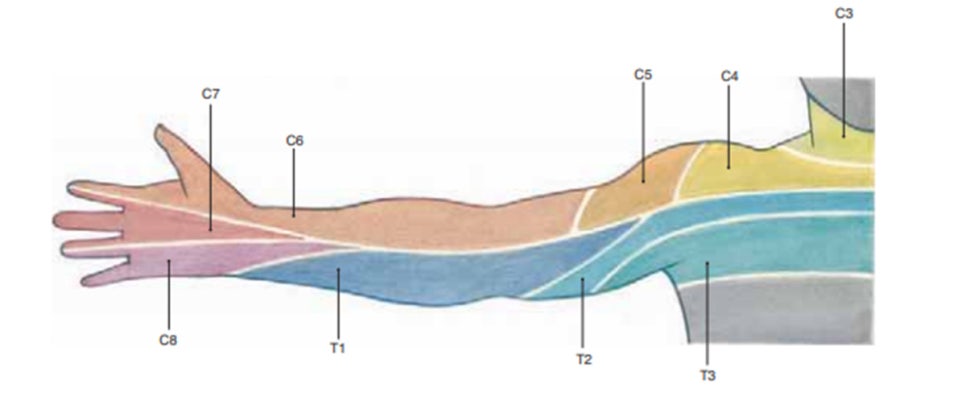
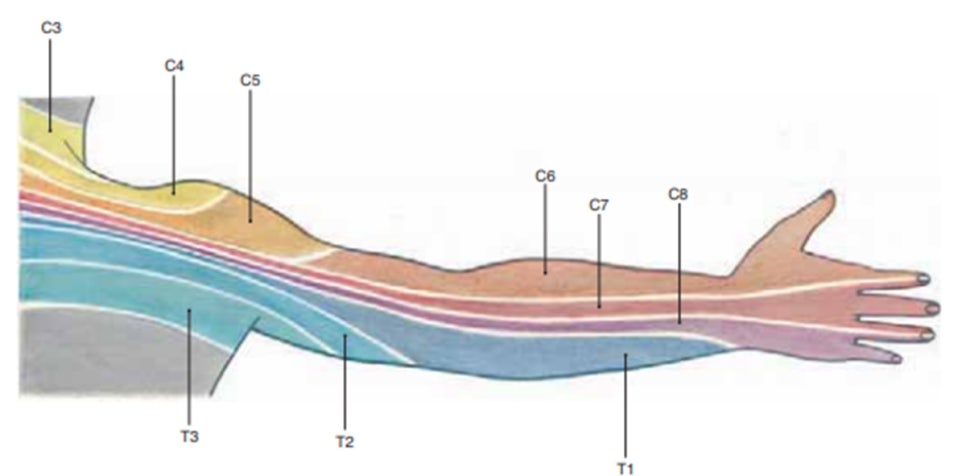
The tingling in the 4th and 5th fingers is in the area controlled by the ulnar nerve. The ulnar nerve originates at the C8-T1 level and branches off from the medial cord of the brachial plexus. It travels through the upper arm and forearm, controlling sensation in the 4th and 5th fingers, as well as most of the intrinsic hand muscles responsible for fine motor movements. If damage or compression occurs along the nerve’s pathway, issues can arise in both the sensory and motor areas it controls, with problems often occurring around the inner elbow.
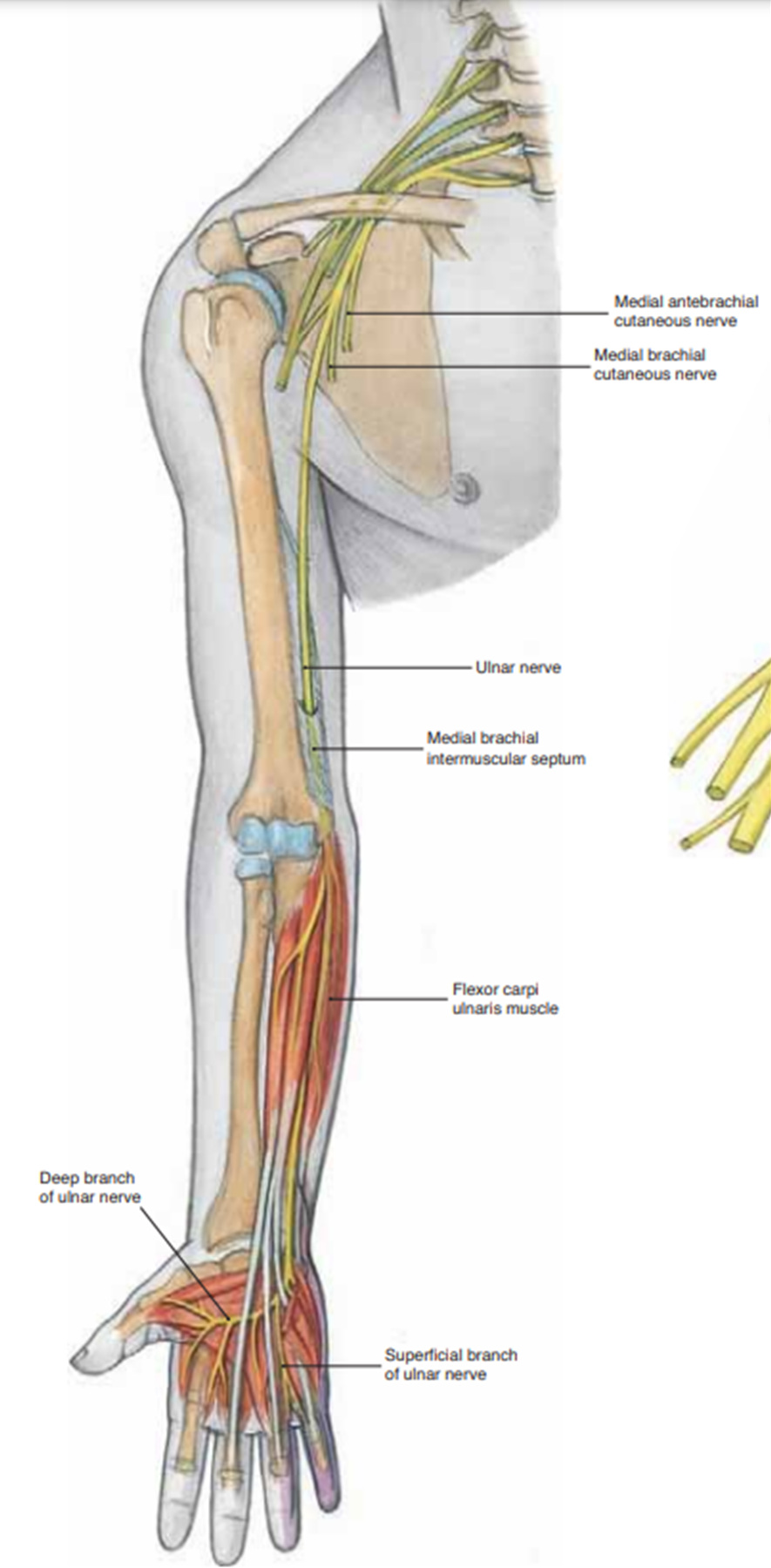
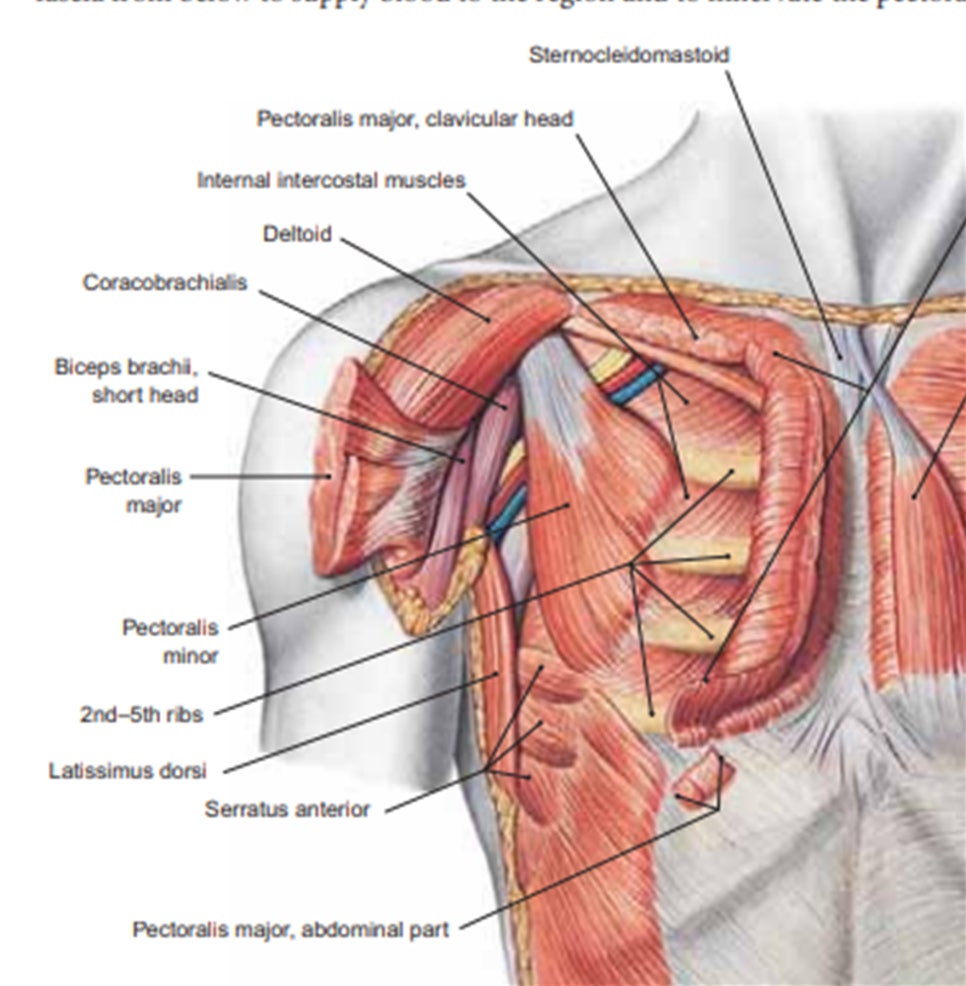
Anatomy a regional atlas of the human body, 6E, Carmine D. clemente. Wolters Kluwer, 2009, CH1 p53
It is a tunnel-like structure, and various factors such as thickened surrounding tissues, nodules, hematomas, or bone spurs can contribute to compression. Additionally, traction plays an important role. The traction force exerted by the muscles around the elbow can be a significant factor. When traction is applied, the compression on the ulnar nerve, which runs below, can increase. (1) This compression becomes more severe when muscle contraction that flexes the elbow is involved. (4) In general, this may not cause significant issues, but if the pressure exceeds a certain threshold, the increased compression can lead to problems with the ulnar nerve. (2, 3)
Clinical Symptoms
Patients primarily complain of tingling or sensory loss in the 5th finger or in both the 4th and 5th fingers. Weakness in the hand is often associated with these symptoms, which may make tasks like using chopsticks, squeezing a towel, or turning a doorknob difficult. Muscular weakness can also make it hard to press down firmly on the strings, a common complaint among string instrument players.


Examinations
Considering the pathway of the ulnar nerve, it is likely that the issue originates from the cervical spine.
Spurling Test: This test checks for nerve compression in the cervical region. Rood's Test: This is used to differentiate thoracic outlet syndrome, which may also present with similar symptoms. Elbow: Tinel's sign can be tested at the elbow. However, it's important to note that Tinel's sign can appear in about 20% of healthy individuals as well. Elbow Flexion Test: The elbow is maximally flexed, and the wrist is fully extended, maintaining the position for 3 minutes. If symptoms are triggered, the test is considered positive. Elbow Flexion Compression Test: While performing the elbow flexion test, the examiner applies pressure to the patient’s elbow using their fingers (5, 6, 7). For sensory testing, you can use a fine filament or even a toothpick to assess sensation in the fingers. Nerve Conduction Study: This is the most commonly used test and is also useful in differentiating other conditions. Ultrasound and MRI can also be used for further evaluation.
Treatment
Treatment options depend on the diagnosis and the severity of symptoms, and may include: Natural course: In some cases, symptoms may improve with time. Medications: Nonsteroidal anti-inflammatory drugs (NSAIDs) or corticosteroids may be used to reduce inflammation and pain. Physical therapy: Targeted exercises and stretches can help relieve pressure on the ulnar nerve. Rehabilitation and pain management: This includes methods to manage chronic pain and promote nerve recovery. Surgical treatment: In severe cases, surgical intervention may be necessary to relieve pressure on the nerve.
Treatment tailored to the exact diagnosis and symptoms is crucial for effective management.
Reference
1 Gelberman RH, Yamaguchi K, Hollstien SB, Winn SS, Heidenreich FP Jr, Bindra RR, Hsieh P, Silva MJ. Changes in interstitial pressure and cross-sectional area of the cubital tunnel and of the ulnar nerve with flexion of the elbow: an experimental study 2 Lundborg G, Rydevik B. Effects of stretching the tibial nerve of the rabbit: a preliminary study of the intraneural circulation and the barrier function of the perineurium. J Bone Joint Surg Br 1973;55:390-401.
- Watanabe M, Yamaga M, Kato T, Ide J, Kitamura T, Takagi K. The implication of repeated versus continuous strain on nerve function in a rat forelimb model. J Hand Surg Am 2001;26:663-669.
- Werner CO, Ohlin P, Elmqvist D. Pressures recorded in ulnar neuropathy. Acta Orthop Scand 1985;56:404-406.
- Buehler MJ, Thayer DT. The elbow flexion test: a clinical test for the cubital tunnel syndrome. Clin Orthop Relat Res 1988;(233):213-216.
- Novak CB, Lee GW, Mackinnon SE, Lay L. Provocative testing for cubital tunnel syndrome. J Hand Surg Am 1994;19:817- 820.
- Rayan GM, Jensen C, Duke J. Elbow flexion test in the normal population. J Hand Surg Am 1992;17:86-89.