"Recently, I often feel a pulling sensation and pain behind my knee. It feels stiff when I stand up after sitting for a long time, and it's even more uncomfortable when climbing stairs. I'm not sure if it's just muscle soreness or if I should visit a clinic for treatment."
Sometimes, pain around the knee can appear suddenly during daily activities.
What starts as a minor discomfort can develop into a more serious issue if ignored. That's why it's important to pay attention to the symptoms and manage them properly from the beginning.
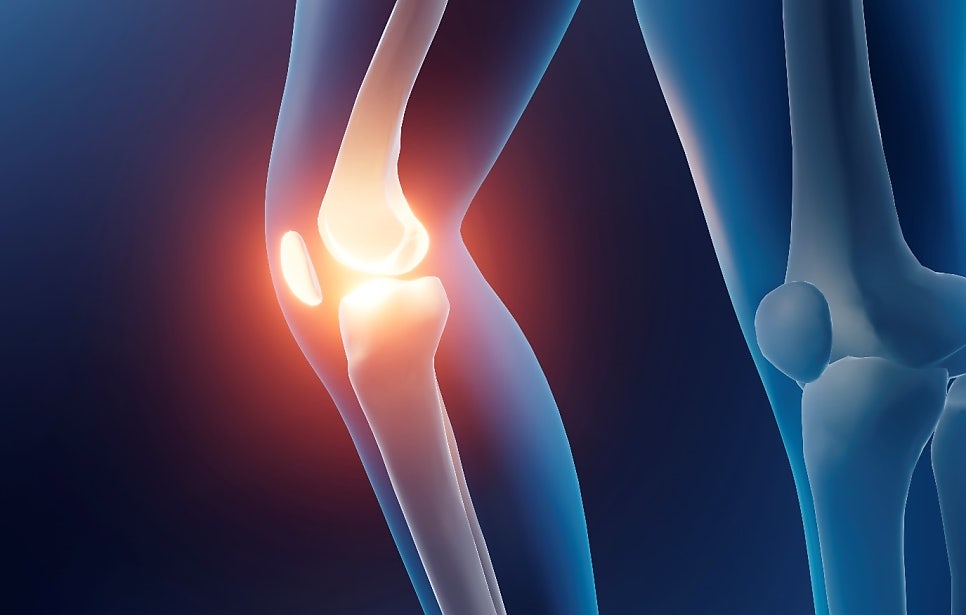
Even minor knee pain can be an important signal from your body, so it’s crucial not to ignore it.
Today, we’ll take a closer look at the common causes of knee pain. If you’ve been experiencing similar symptoms, we encourage you to read through this information carefully.
Contents 🔹 5 Common Causes of Knee Pain 🔹 How to Identify Abnormal Knee Pain 🔹 Treatments for Knee Pain 🔹 When Can You Start Walking After Knee Surgery?
🔹 5 Common Causes of Knee Pain
Hamstring Muscle Tightness
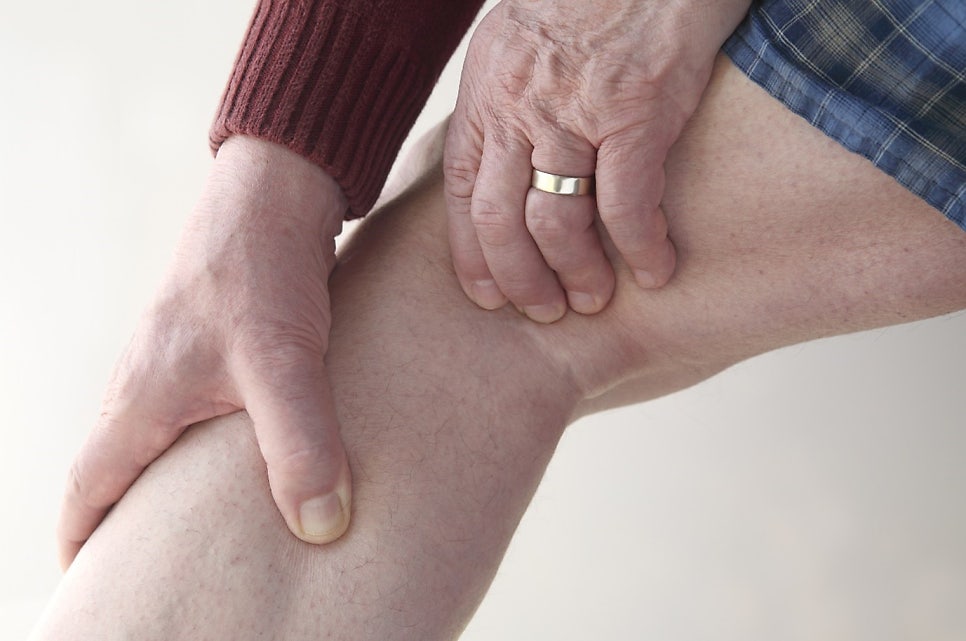
The hamstrings, which run from the back of the thigh to the knee, can become stiff and shortened due to prolonged sitting or low activity levels. Sudden bending or straightening of the knee, or overexertion during exercise, can trigger pain. While it may seem like simple muscle soreness, repeated strain can affect joint mobility over time.
Tightness in Fascia and Soft Tissue
Behind the knee, in addition to muscles, there is a dense network of fascia and soft tissue. When the fascia becomes tight or knotted, the pain may not be localized but instead feel widespread, dull, or throbbing. This often results from repetitive strain or improper muscle use over time.
Baker's Cyst (Popliteal Cyst)
This cyst commonly forms behind the knee due to an abnormal buildup of synovial fluid around the joint. It can cause swelling and pain in the back of the knee, often worsening during physical activity.
Weight-Bearing and Knee Alignment Issues
Misalignment in the pelvis, spine, or feet can cause uneven weight distribution across the knees. When the arch of the foot collapses or the lower back is misaligned, additional stress may be placed on the muscles and ligaments behind the knee, leading to pain.
Circulation Problems
The area behind the knee contains major blood vessels and nerves. Poor blood flow in this region can lead to a heavy, tingling sensation and increased fatigue, especially after long periods of sitting or standing.
🔹 How to Identify Abnormal Knee Pain
Since knee pain can have a variety of causes, it’s important to undergo appropriate examinations to determine the exact source of the problem. Proper diagnosis is key to effective treatment and prevention of further complications.
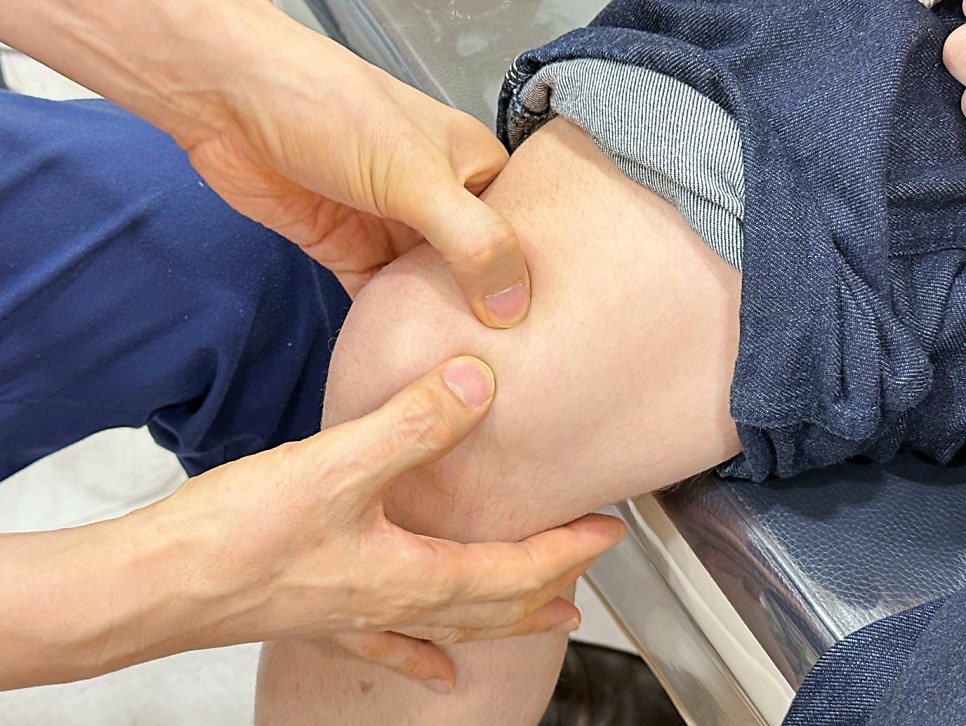
During this process, the following examination is typically performed:
Physical Examination
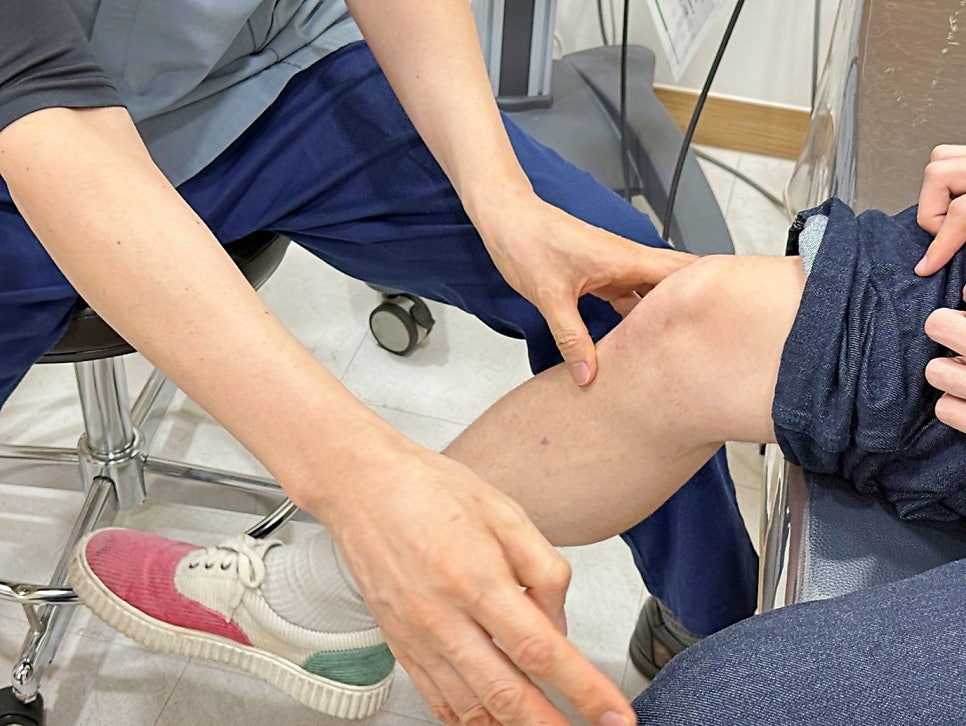
A physical examination is conducted first, where the knee is manually moved and tested to check for any abnormalities.
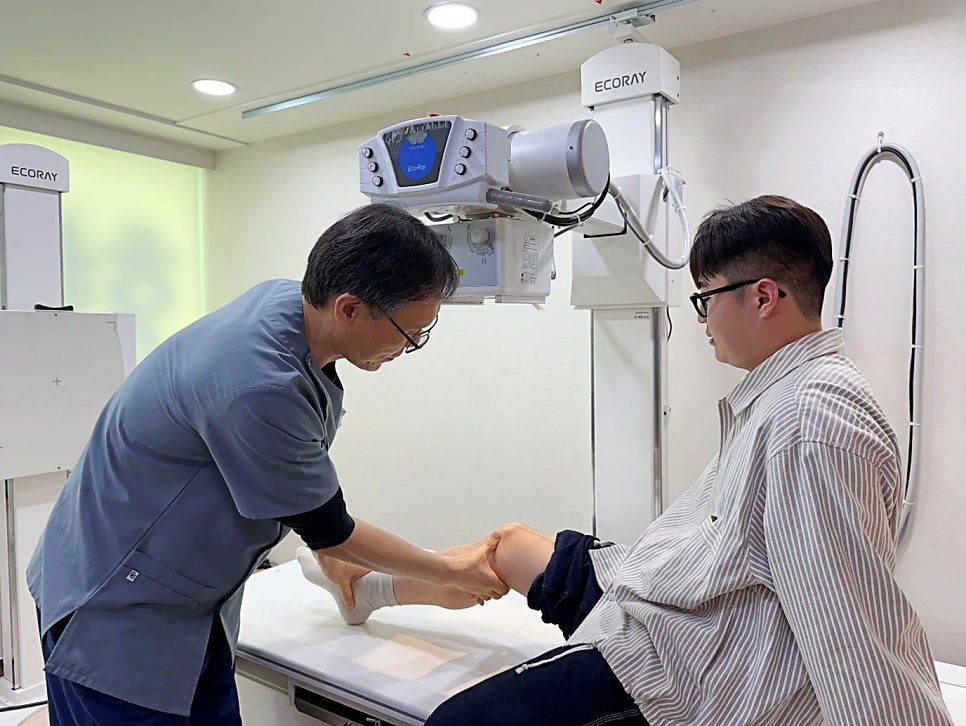
X-ray
An X-ray is a highly useful test for identifying structural issues in the bones and joints. It is particularly helpful in assessing narrowed joint spaces, bone deformities, or the progression of arthritis. The procedure is quick, painless, and commonly used as the first step in diagnosis, allowing for an objective evaluation of the condition.
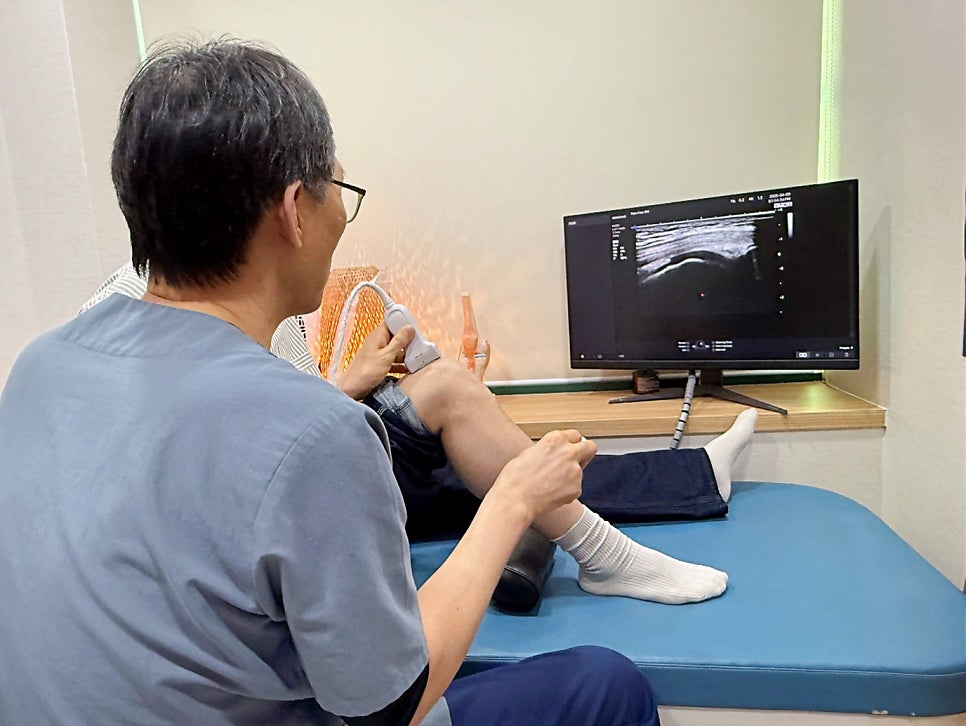
Ultrasound Examination
Ultrasound is particularly effective for examining soft tissues rather than bones. It allows for real-time visualization of muscles, ligaments, tendons, and bursae around the knee—areas that are difficult to assess with the naked eye. This enables a more precise diagnosis, especially when detecting inflammation, swelling, or minor injuries. When combined with X-ray imaging, ultrasound provides a more comprehensive and accurate assessment of the knee.
While knee pain may simply feel like stiffness, as explained above, it can also stem from a wide range of underlying causes. That’s why it’s essential to receive a proper examination to identify the root cause of the pain.
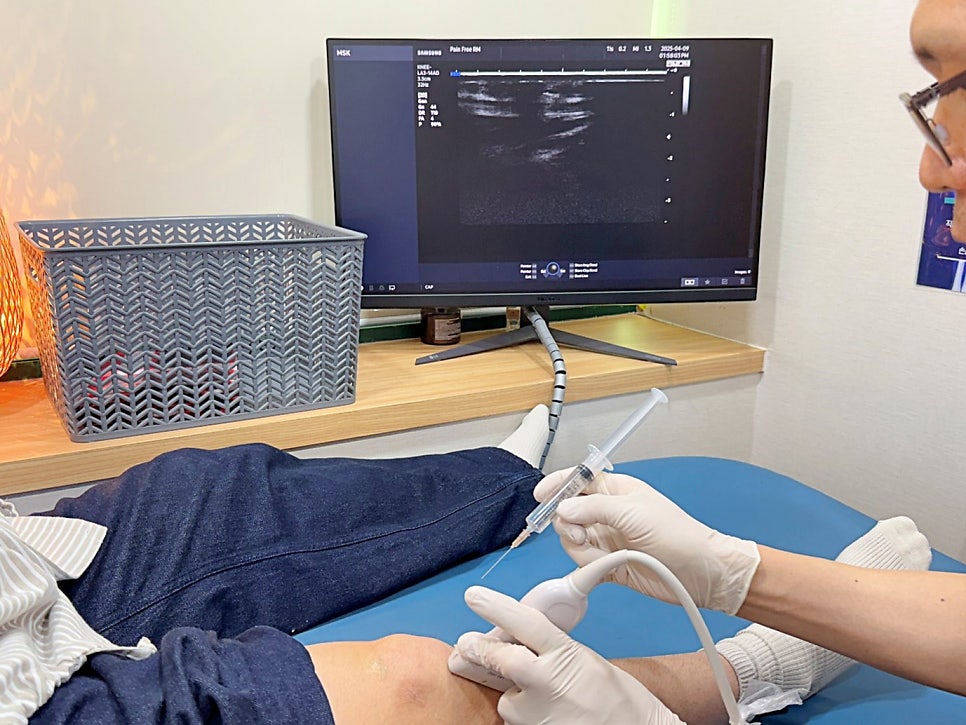
🔹 Treatments for Knee Pain
Cartilage Injection
A cartilage injection involves injecting hyaluronic acid—a key component of joint fluid—directly into the joint to supplement its lubrication. This helps reduce friction within the joint, alleviating pain and stiffness. By enhancing smooth joint movement, it can improve overall joint function.
Prolotherapy (Ligament Strengthening Injection)
Prolotherapy is a regenerative injection treatment that involves injecting a high-concentration dextrose solution into weakened ligaments or tendons. This induces a mild, controlled inflammatory response that stimulates collagen production, promoting tissue regeneration and strengthening. By activating the body's natural healing process, this treatment aims to restore joint stability and function.
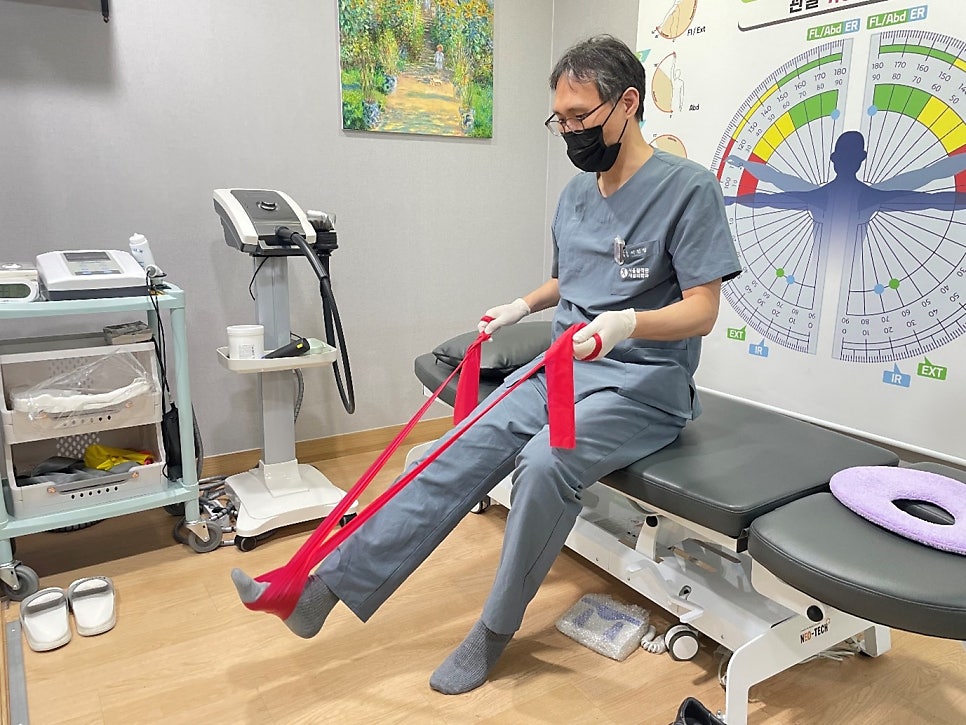
Rehabilitation Exercise Therapy In addition to rest or pain-relieving medication, rehabilitation therapy plays a crucial role in restoring normal movement to the affected area and preventing recurrence. This type of exercise-based therapy helps improve physical function and overall mobility.
Chondroprotective Agents Chondroprotective agents are medications that help slow down cartilage deterioration and improve joint function. Common examples include glucosamine and chondroitin.
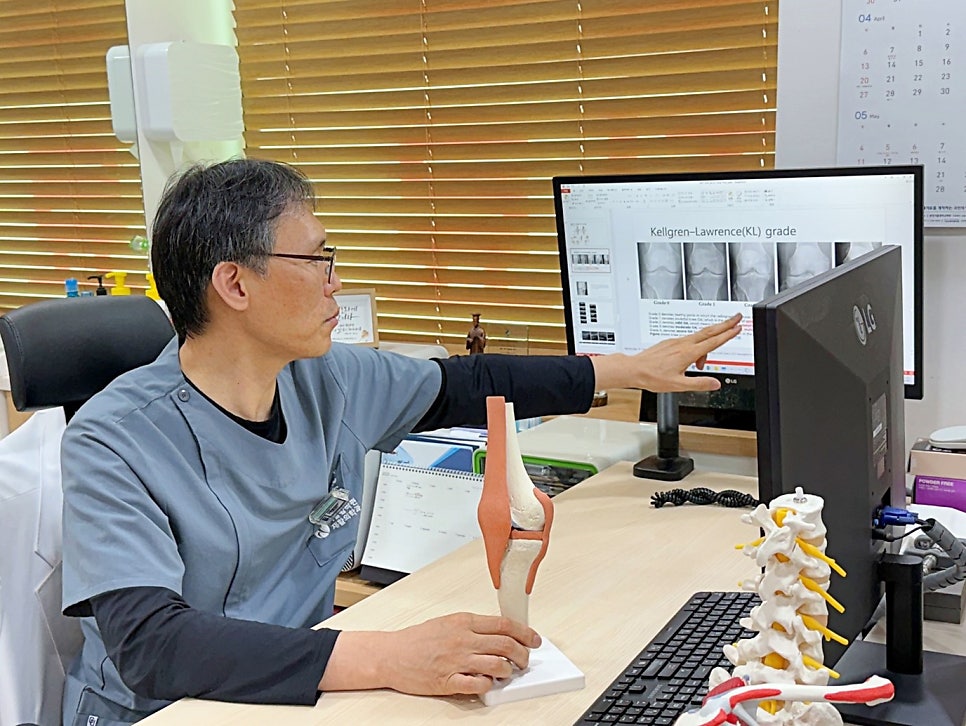
If the condition is not severe, it can often be managed without surgery through the treatments mentioned above. However, in some cases, surgical intervention may be necessary depending on the individual situation.
At our clinic, we also provide customized rehabilitation programs for patients who have undergone surgery, ensuring they receive appropriate care at each stage of recovery.
🔹 When Should You Start Walking After Knee Surgery?
Finally, we often receive the question, "When can I start walking after knee surgery?" To answer briefly, rehabilitation after knee surgery should begin as soon as possible for the best outcomes.
The recovery process leading up to walking after surgery progresses through the following stages:
Knee Mobilization Exercises – From immediately after surgery, gentle mobilization exercises should begin to prevent the knee from stiffening. Knee Support Exercises – Light support exercises, such as shifting weight back and forth, help activate the joint. Stationary Walking Exercises – Before walking, stationary walking movements are practiced to improve sensory awareness and coordination. Walking on Flat Surfaces – Once knee mobility is established, walking indoors or on flat surfaces can begin. Stair Climbing – Finally, stair climbing is introduced at a level that doesn't put excessive strain on the joint to aid in functional recovery.
These stages are tailored to each patient's condition and recovery pace. At Seoul Hwaljakpyeon Rehabilitation Medicine Clinic, our specialized rehabilitation team consults and supervises the entire process.
The key takeaway is that simply resting after surgery is not enough.
Starting proper rehabilitation as soon as possible will ultimately lead to better recovery results. The longer rehabilitation is delayed, the longer the recovery period will be, and the later the return to daily activities.
If you're experiencing significant discomfort due to knee pain, or if you need rehabilitation treatment after surgery, feel free to contact us at Seoul Painfree Rehabilitation Medicine Clinic. We are committed to providing systematic and compassionate care to help you regain your knee health.
Thank you.