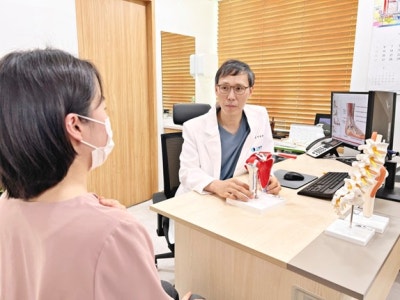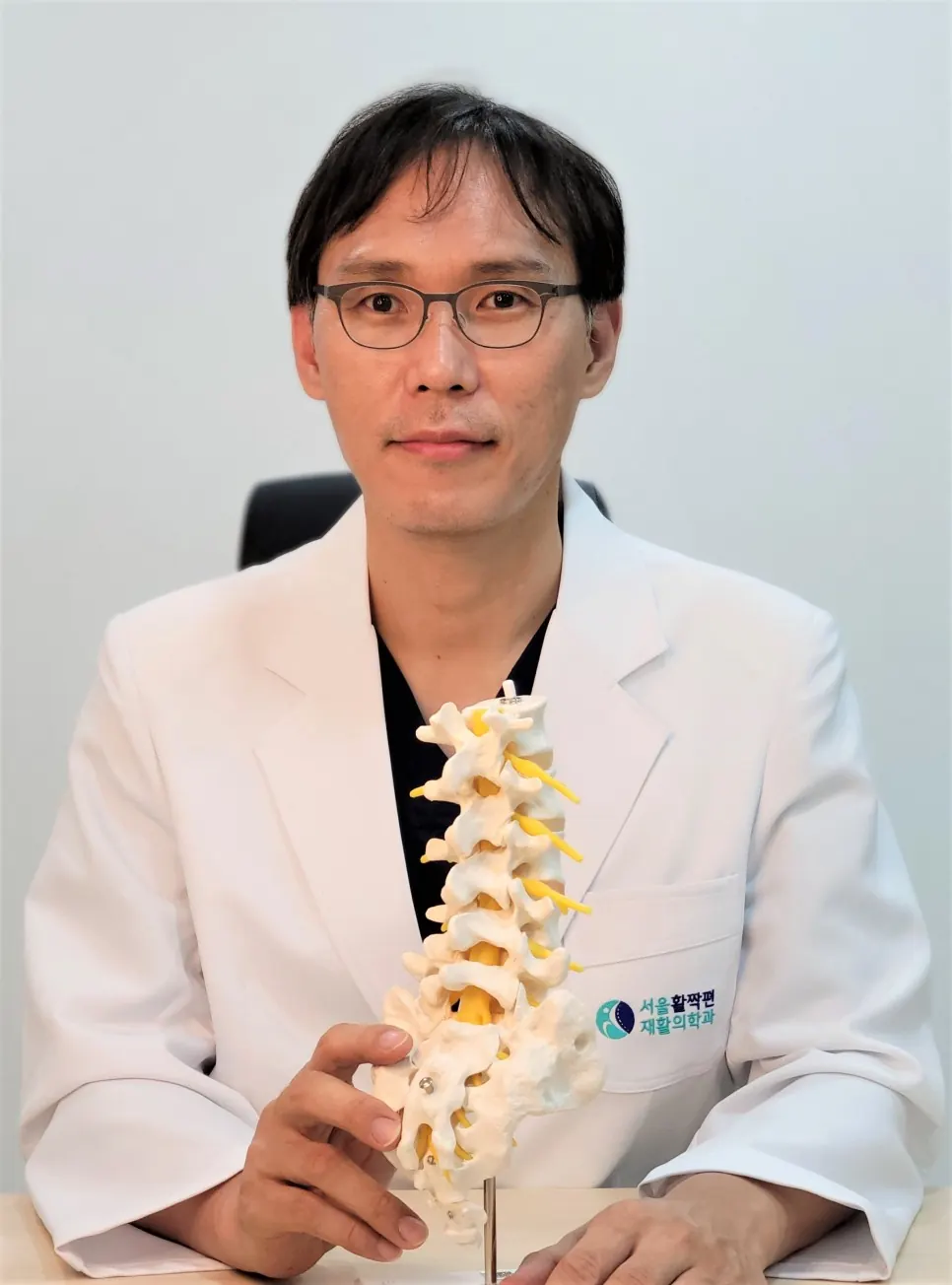
At our clinic, we welcome a wide range of patients, including many athletes and students preparing college entrance exams for physical education majors
As people engage in physical activity, they often experience both minor and major injuries. Overuse can also lead to joint problems and inflammation, prompting many to visit us for detailed consultations, examinations, and appropriate treatment.
Recently, a young elementary school student who competes in the 800-meter track event came to see us with their coach. Even though they had been visiting a regular partner clinic, they chose to come to Seoul Painfree Rehabilitation Medicine Clinic after hearing positive things about our care and expertise.
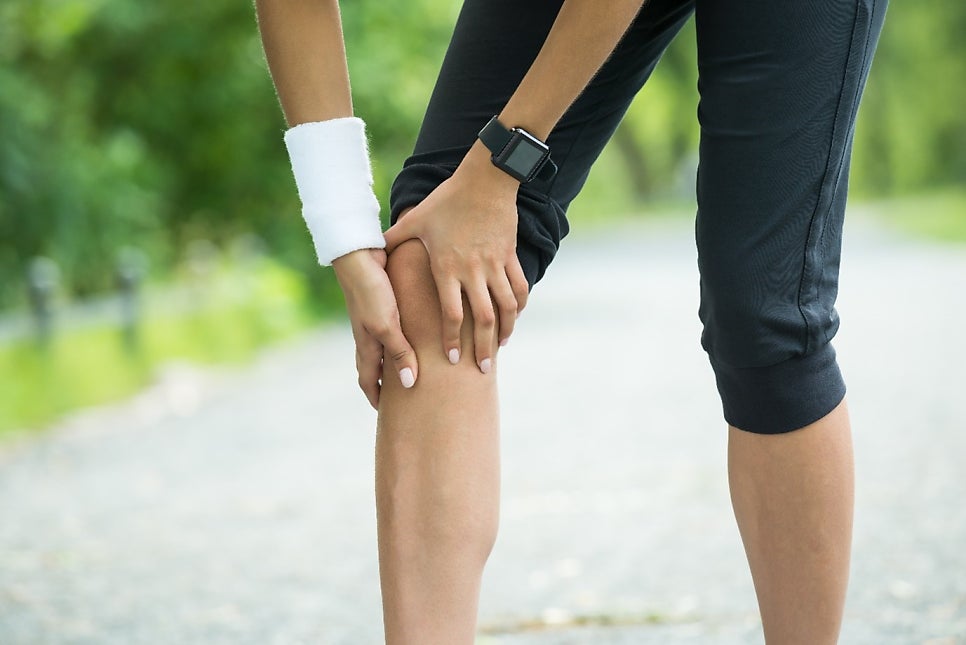
One day during training, the athlete felt a sharp, tearing pain in their knee and came to visit us at Seoul Painfree Rehabilitation Medicine Clinic.
Today, we’d like to take a closer look at knee sprains, a condition commonly seen in athletes.
This type of injury frequently affects those who regularly engage in sports that put heavy use on the lower body. We’ll explain exactly what this condition is and share how the athlete who visited us was able to recover through proper treatment.
If you’re someone who exercises regularly, we encourage you to read through this post carefully — even as a preventive measure
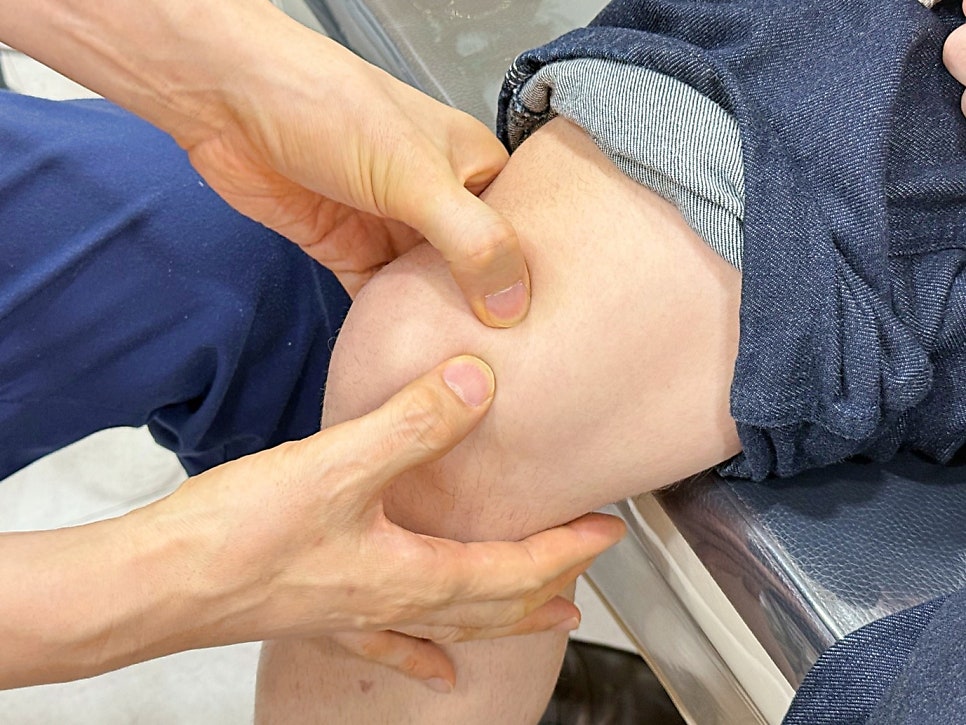
About Knee Sprains
Knee sprains are a common injury experienced by many people, especially athletes.
They typically occur when the knee is twisted excessively or subjected to sudden impact. This can lead to damage not only to the joint itself but also to the surrounding muscles and ligaments, which is why early treatment and management are crucial.
Overuse is a primary cause—particularly for track and field athletes who put frequent stress on their knees. However, beginners who start running without proper warm-up exercises can also be at risk.
Depending on the severity, a sprain may resolve quickly, but in some cases, partial ligament tears or repeated micro-injuries can lead to chronic pain. For this reason, early diagnosis and appropriate care are essential.
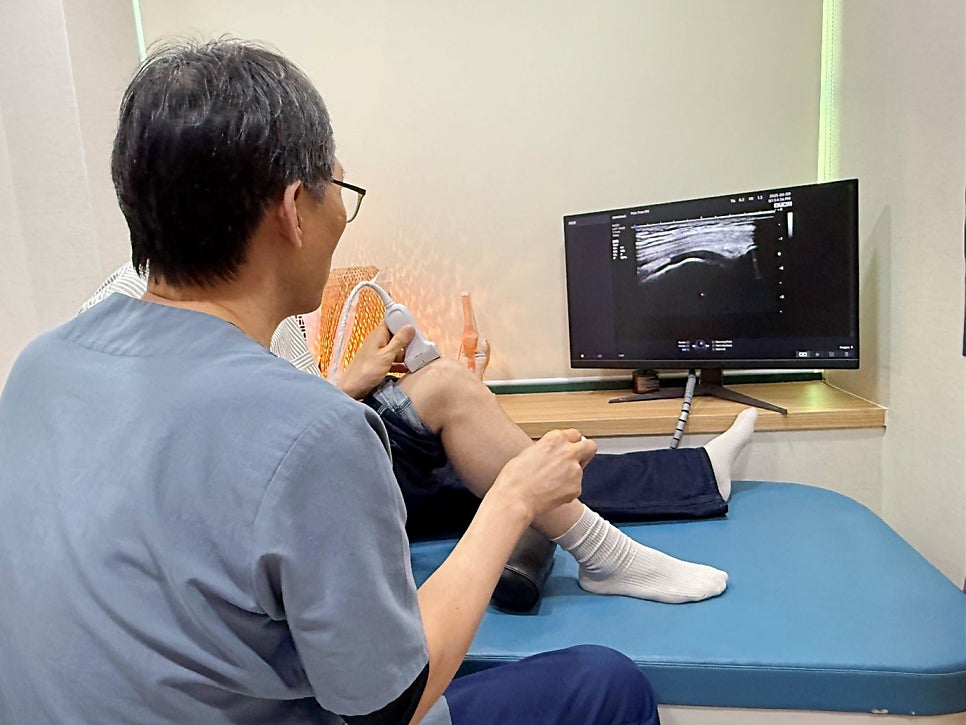
Symptoms by Degree of Sprain Knee sprains are classified into three grades based on the severity of ligament damage, and each grade presents with different symptoms.
Grade 1 Sprain A mild sprain involving microscopic damage to the ligament fibers or surrounding tissue. This may cause swelling, tenderness, and mild pain.
Grade 2 Sprain A moderate sprain involving partial tearing of the ligament. If a large portion is torn, it may lead to joint instability and more pronounced pain and swelling.
Grade 3 Sprain A severe sprain involving a complete tear of the ligament. This often results in significant joint instability and may require more intensive treatment.
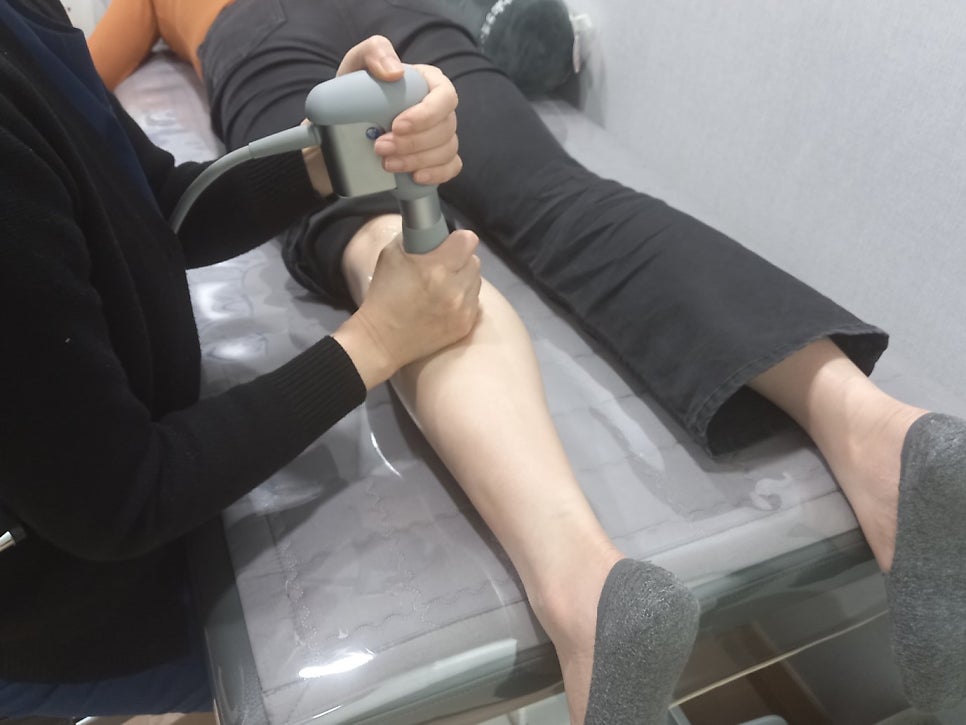
Sprain Treatment at Seoul Painfree Rehabilitation Medicine Clinic
When treating an elementary school track athlete who visited us for a knee sprain, we utilized a combination of extracorporeal shockwave therapy, DNA injection therapy, physical therapy, and manual therapy.
Extracorporeal Shockwave Therapy This non-invasive treatment uses shockwaves delivered from outside the body to stimulate healing. It helps promote the formation of new blood vessels and activates surrounding tissues, which can aid in reducing inflammation and relieving pain. Since this therapy encourages the body’s natural healing process without the need for medication or surgery, gradual improvement can often be expected over time.
DNA Injection Therapy DNA injection therapy involves the use of PDRN (polydeoxyribonucleotide), a substance extracted from salmon species. This treatment stimulates the proliferation of fibroblasts, which are crucial for tissue repair. Fibroblasts are one of the key growth factors that support DNA synthesis and help accelerate the regeneration of damaged tissues.
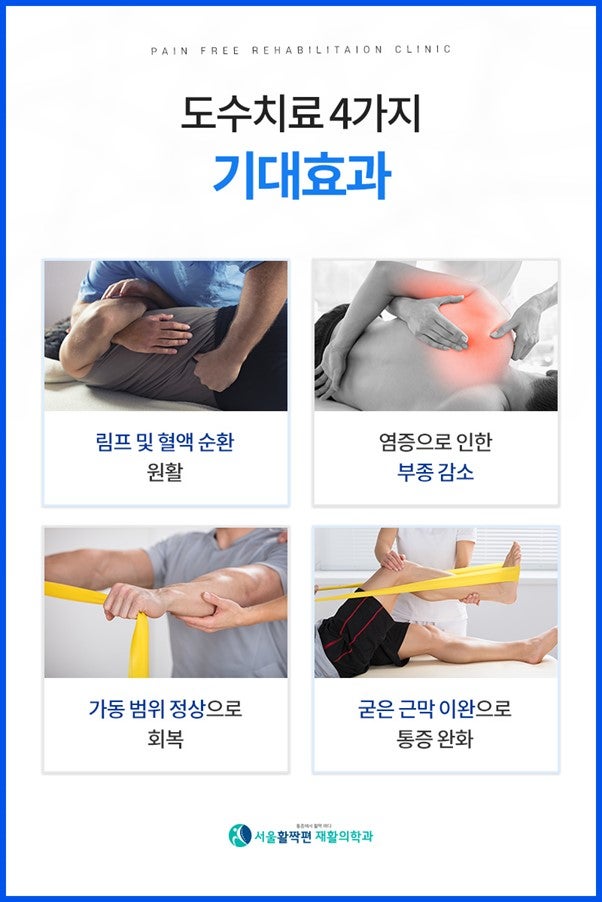
Manual Therapy
Manual therapy is a hands-on treatment performed by a trained therapist, and it is especially effective for treating complex joints that require a wide range of motion, such as the knee.
At our clinic, we begin with a thorough initial consultation, physical examination, X-ray imaging, gait and posture analysis, and movement assessments to evaluate the condition of the knee in detail and develop a personalized treatment plan.
The manual therapy at our clinic is performed by licensed chiropractors who hold official degrees from the United States. This qualification is not currently available in Korea, so practitioners must travel to the U.S., undergo years of training, and pass rigorous exams to obtain it.
Through expert manual therapy, we aim to improve blood circulation, reduce swelling, restore range of motion, and release tight fascia — all of which help to alleviate pain and support recovery.
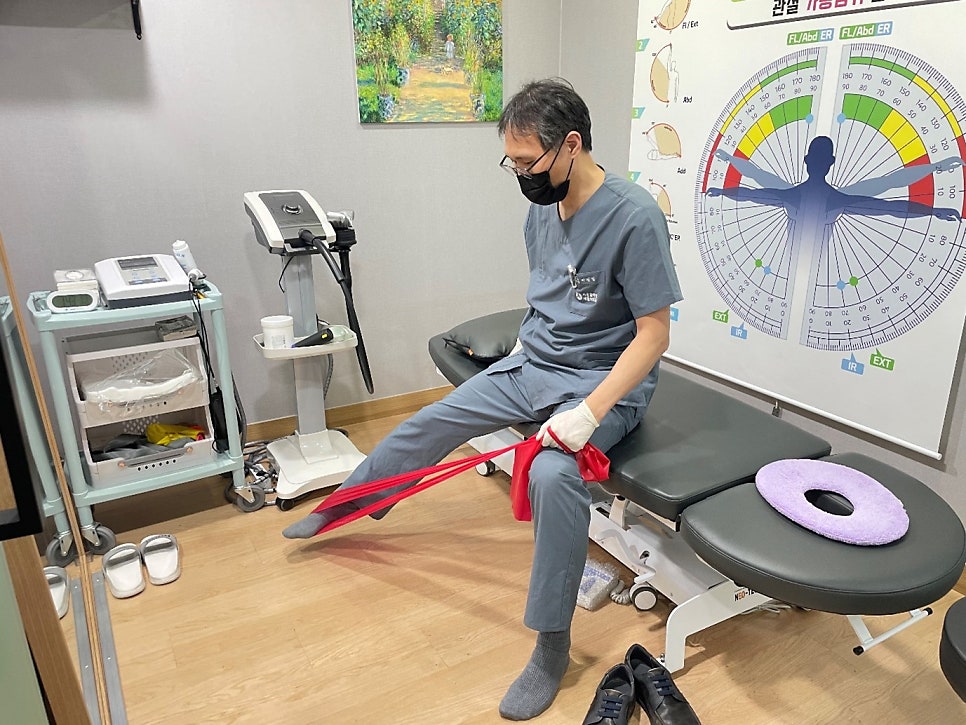
At our clinic, we not only focus on reducing immediate issues such as swelling and pain, but we also provide a structured rehabilitation program to help patients fully recover their ability to walk and run properly after treatment.
Each patient receives personalized care tailored to their condition and recovery speed, with direct consultations provided by our rehabilitation medicine specialists.
We also offer electromyography (EMG) testing to assess underlying muscular and nerve-related issues. This allows us to accurately diagnose problems on the same day.
Thanks to our comprehensive treatment options, we are able to support many athletes through a wide range of therapies and recovery plans.
If you are experiencing new or unexplained pain, or if you’re recovering from an injury and feeling concerned, please don’t hesitate to visit us at Seoul Painfree Rehabilitation Medicine Clinic. Thank you.