“My knee has been swollen and painful for the past few days, and I’m starting to get really worried. I especially feel a sharp pain when going up or down the stairs, and the area feels soft to the touch. The symptoms seem to be getting worse—what could be causing this?”
Knee swelling can sometimes be caused by simple fatigue or muscle soreness. However, if the symptoms persist, it could be a sign of an inflammatory condition called bursitis.
Bursitis occurs when the bursa, a small fluid-filled sac near the joint, becomes inflamed. It often starts with mild discomfort but can gradually worsen over time, leading to significant pain and interfering with daily activities.
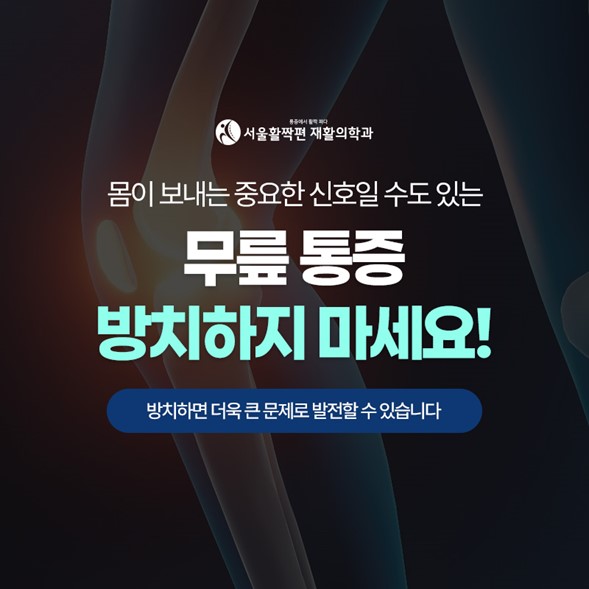
Especially for those who frequently engage in activities that involve repeated knee movements—such as hiking, climbing stairs, or squatting—symptoms like these may be a sign of bursitis. If you’ve experienced similar discomfort, it may be worth considering bursitis as a possible cause.
Today, we’ll take a closer look at this condition called bursitis, so if you suspect your symptoms might be related, we encourage you to read on carefully.
📌 Contents ▪ What is knee bursitis and what causes it? ▪ What are the common symptoms of bursitis? ▪ How can bursitis be prevented and managed? ▪ What are the treatment options for bursitis?
What is Knee Bursitis and What Causes It?
Bursitis is an inflammation of the bursa, a small fluid-filled sac located near joints that helps reduce friction between bones, tendons, and ligaments.
This inflammation can result from various causes such as repetitive friction, impact, or poor posture. Common triggers include kneeling for extended periods, a sudden increase in physical activity, direct trauma or falls, as well as systemic inflammatory conditions like rheumatoid arthritis or gout. In rare cases, bursitis may also be caused by a bacterial infection.
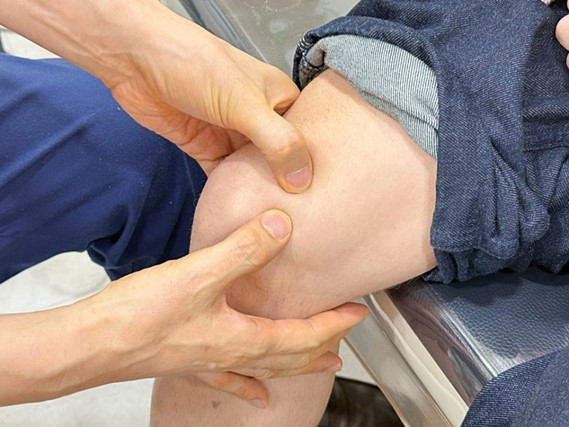
When the bursa becomes inflamed, excess fluid can accumulate inside it, leading to swelling. This often results in pain and discomfort, especially during movement. The front or inner side of the knee may become noticeably swollen and soft to the touch, and pressure on the area or attempts to move the joint can cause pain or limited mobility.
What Are the Common Symptoms of Bursitis?
The most common symptom of bursitis is pain. In addition to pain, you may also experience swelling and warmth around the knee joint. In more severe cases, an abscess (a collection of pus) may form. These symptoms can interfere with normal knee movement and significantly reduce your range of motion.
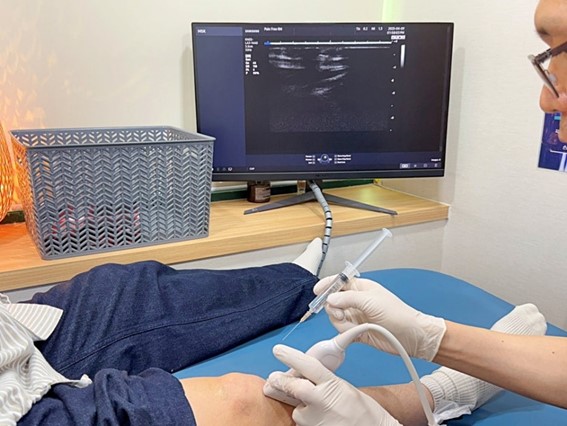
Knee bursitis often presents symptoms that are similar to osteoarthritis, making it difficult to distinguish between the two without a proper medical evaluation. That’s why accurate diagnosis through imaging tests such as X-rays, ultrasound, or MRI is essential to identify the exact cause.
If you experience any of the following symptoms, it’s important to get examined:
- Localized swelling in the front or inner side of the knee
- A soft, lump-like feeling when pressing on the area
- Sharp or dull pain when bending the knee
- Stiffness in the joint after sitting for a long time
- Increased pain after physical activity
How Can Bursitis Be Prevented and Managed?
Since bursitis is often triggered by repetitive stress and poor posture, making healthy lifestyle adjustments is key to prevention and management. Here are some helpful tips:
Avoid positions that put stress on the knees
Be mindful of habits such as kneeling for long periods, squatting frequently, or sitting directly on the floor, as these can strain the knee.
Apply ice after using the knee
If you’ve been using your knees a lot, applying an ice pack for 10 to 15 minutes can help reduce inflammation and prevent flare-ups.
Maintain a healthy weight
Extra body weight increases the load on your knees, so keeping your weight within a healthy range can help reduce stress on the joint.
Take adequate rest and allow time for recovery
If you need to use your knees repeatedly throughout the day, make sure to take regular breaks so the tissues have time to recover.
How Is Bursitis Treated?
If bursitis is caught early, it may improve naturally with adequate rest and careful use of the knee. However, if the condition is left untreated and the knee continues to be overused, medical treatment may be necessary.
In most cases, a combination of anti-inflammatory pain medication and physical therapy can help relieve symptoms. If the bursitis is caused by an infection, antibiotic treatment may be required.
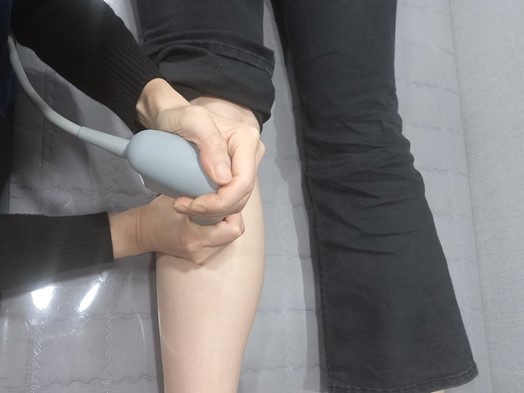
Among the available treatment options, extracorporeal shockwave therapy (ESWT) is a popular choice. This therapy promotes blood circulation, stimulates tissue regeneration, and helps reduce pain and discomfort. While the results can vary depending on the individual, improvements are typically monitored over a period of around four weeks after treatment.
At our clinic, all procedures are performed by medical professionals who have completed the full training program from the official Korean branch of Storz Medical, ensuring expert care and effective results.
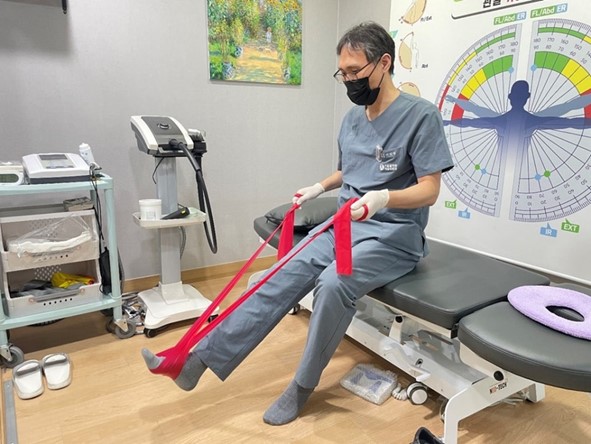
In addition to extracorporeal shockwave therapy, chiropractic care can also be beneficial. This hands-on treatment focuses on correcting musculoskeletal imbalances, relieving nerve compression, and reducing pain by stimulating sensory receptors through repeated manual techniques.
In Korea, it is currently not possible to obtain a chiropractic license domestically. To become a licensed chiropractor, one must complete chiropractic education in the United States and pass a series of four national board examinations.
At Seoul Painfree Rehabilitation Clinic, all chiropractic treatments are performed by fully licensed professionals who have received official training and certification, ensuring safe and effective care.
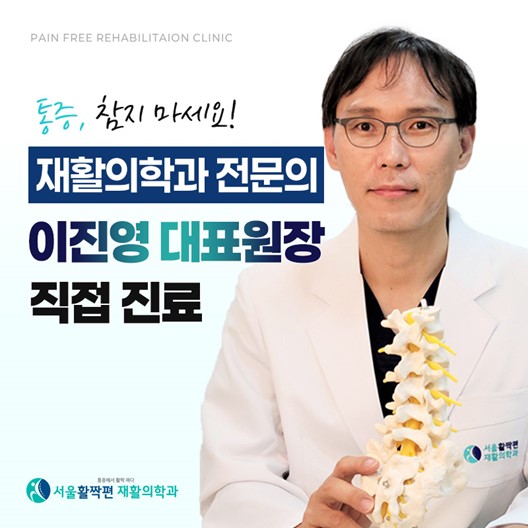
At our clinic, we also offer same-day electromyography (EMG) testing, allowing us to assess your condition promptly and provide the most suitable diagnostic tests and treatment based on your symptoms and individual situation.
We offer evening appointments on Wednesdays and are also open on Sundays, making it easier for those with busy schedules to visit at a convenient time.
If you are experiencing ongoing discomfort or various types of pain, please feel free to visit Seoul Painfree Rehabilitation Clinic anytime. We’re here to help.
Thank you.