“I was told that I have a herniated disc, but the thought of surgery feels overwhelming. I still experience discomfort in my daily life—do I really need surgery? Are there any non-surgical options available?”
Many patients diagnosed with a herniated disc worry first about whether surgery is necessary. However, having a disc problem does not always mean surgery is required. Depending on the patient’s condition, various non-surgical treatments can be considered first.
Among these, spinal decompression therapy is known to help reduce pressure on the spine and relieve nerve compression.

Today, we will take a closer look at the principles and expected benefits of spinal decompression therapy — a treatment often sought by those who wish to manage a herniated disc without surgery. If you’ve been searching for non-surgical treatment options, we encourage you to read through today’s information carefully.
📌 Contents ▪ Common concerns caused by herniated discs ▪ Principles of spinal decompression therapy ▪ Expected benefits of decompression treatment ▪ ATT robotic decompression therapy at Seoul Hwaljjakpyeon Rehabilitation Clinic
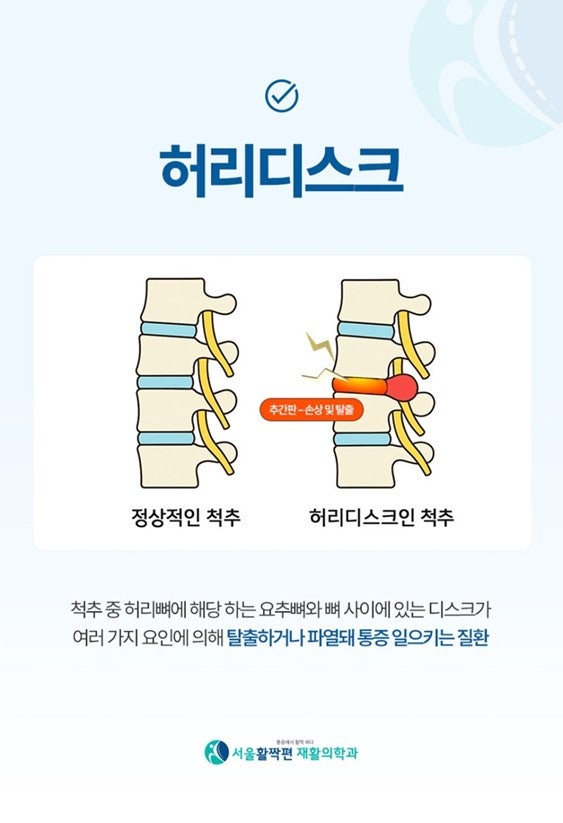
Concerns Caused by a Herniated Disc
A herniated disc occurs when the intervertebral disc, located between the spinal bones, slips out of its original position and compresses nearby nerves, leading to pain.
It often causes symptoms such as lower back pain, leg numbness, or decreased sensation, and in severe cases, it can interfere with daily activities. This condition is common among office workers who sit for long periods, individuals who frequently lift heavy objects, and those experiencing age-related degenerative changes in the spine.
When pain occurs, many patients immediately think of surgery. However, in many cases, symptoms can be effectively relieved through non-surgical treatments.
For this reason, more and more people are exploring non-surgical options — and among them, spinal decompression therapy has become a promising alternative for patients seeking relief without surgery.

Principles of Spinal Decompression Therapy
Spinal decompression therapy works by reducing the pressure applied to the spine, allowing the herniated disc to move back toward its original position. Using specialized equipment, the lower back is gently stretched to increase the space between the vertebrae. As the internal pressure within the disc decreases, compression on the surrounding nerves is relieved, which can help reduce pain.
Simply put, the therapy creates temporary space for the compressed disc, helping the spine return to a more stable state. This process is repeated at controlled levels of tension, and with consistent sessions, it can reduce strain on the lower back and improve mobility.
Because the treatment is gentle and non-invasive, it places minimal stress on the body and can be beneficial for many patients seeking a comfortable, non-surgical approach to managing back pain.
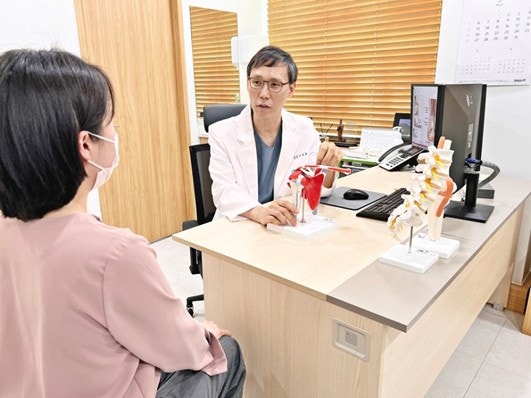
Expected Benefits of Spinal Decompression Therapy
Spinal decompression therapy is a relatively safe, non-surgical treatment option that can offer several positive outcomes depending on the patient’s condition.
It can help relieve lower back pain and leg numbness by reducing nerve compression, which in turn allows for smoother movement. As the disc returns to a more stable position, muscle tension in the lower back may ease, and spinal flexibility can gradually improve.
However, results may vary from person to person. The degree of disc damage, daily habits, and the presence of other medical conditions can all influence the outcome. Therefore, it is important to view decompression therapy as a supportive treatment rather than expecting it to produce identical results for every patient.
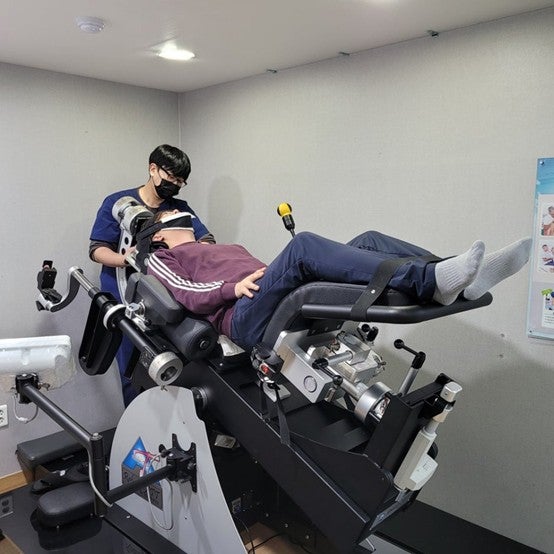
ATT Robotic Spinal Decompression Therapy at Seoul Painfree Rehabilitation Clinic
At our clinic, we provide ATT robotic spinal decompression therapy to help patients suffering from lower back pain and disc-related discomfort.
In the past, it was challenging to tailor decompression treatment precisely to each patient’s unique spinal structure and disc position. However, ATT robotic decompression allows for personalized treatment, taking into account not only the affected disc area but also any misalignment in the spine.
During the procedure, patients can comfortably lie on the treatment chair, and because it is a pain-free, non-invasive therapy, even those who are sensitive to pain or hesitant about treatment can undergo it with ease.
The standard treatment program typically lasts around six weeks, though the duration may vary depending on the patient’s condition. With consistent sessions, patients may experience gradual recovery of disc health, as well as noticeable improvement in pain, numbness, and overall spinal stability.
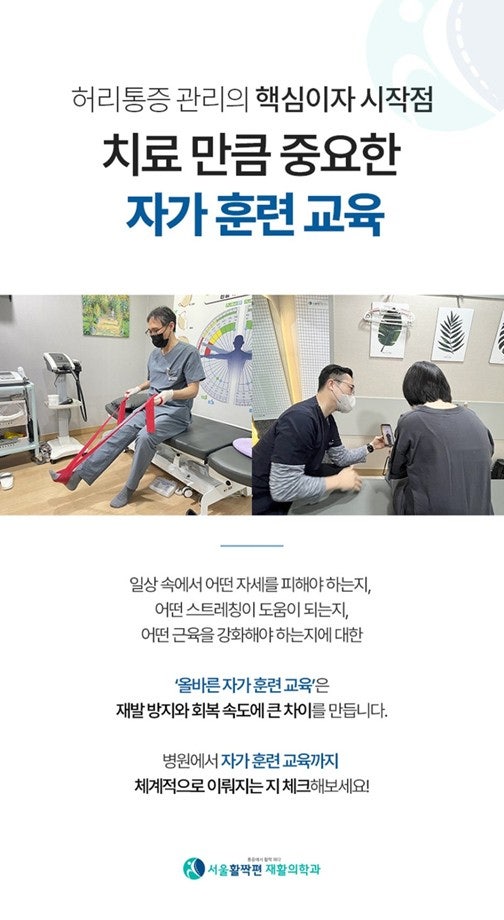
Daily Management Matters as Much as Clinical Treatment
When it comes to back problems, consistent daily management is just as important as professional medical care. At our clinic, we provide patients with a self-exercise program that includes the Schroth method, a three-dimensional corrective exercise designed to address spinal alignment by considering lateral, front-to-back, and rotational imbalances.
Because each person’s spinal curvature and angle are unique, a personalized exercise plan is essential. At Seoul Painfree Rehabilitation Clinic, we offer a structured 50-session Schroth exercise program, combined with six carefully selected core exercises tailored to individual needs.
In addition, our clinic provides chiropractic treatment performed by certified chiropractic practitioners, along with extracorporeal shockwave therapy (ESWT) and various forms of physical therapy.
🔽 Chiropractic Treatment 🔽 https://blog.naver.com/PostView.naver?blogId=painfree3004&logNo=223384483746&categoryNo=14&parentCategoryNo=&from=thumbnailList
Manual therapy : helps from treatment to correct postureThank you for visiting the Seoul Painfree Rehabilitation Medicine Clinic blog. I extend my gr...칼럼 읽기 ›If you’ve been struggling with chronic back pain or spinal discomfort, we invite you to visit Seoul Painfree Rehabilitation Clinic.
We offer evening appointments on Wednesdays and Sunday consultations, so please feel free to visit at your convenience to receive the care you need.
Thank you.