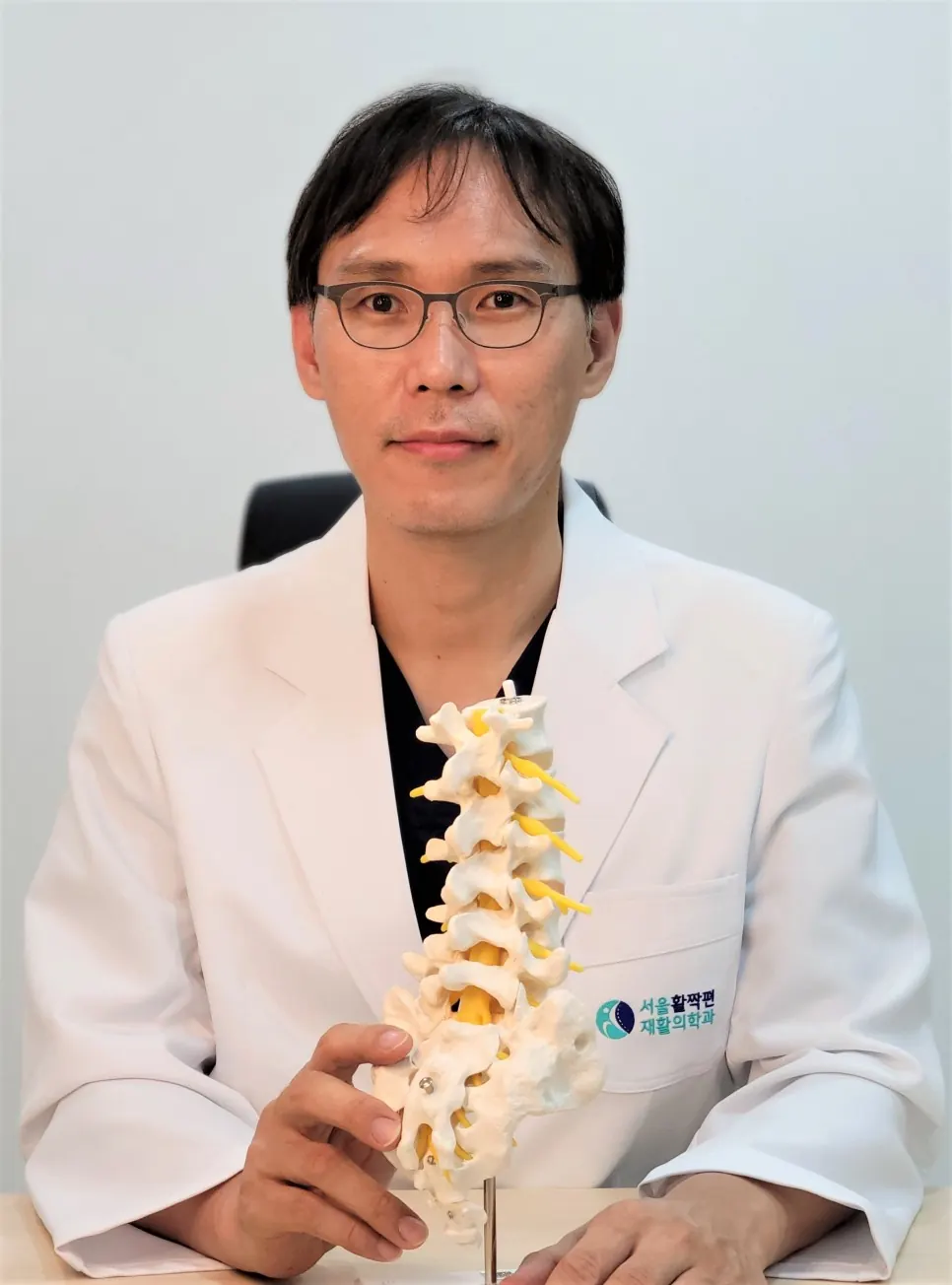
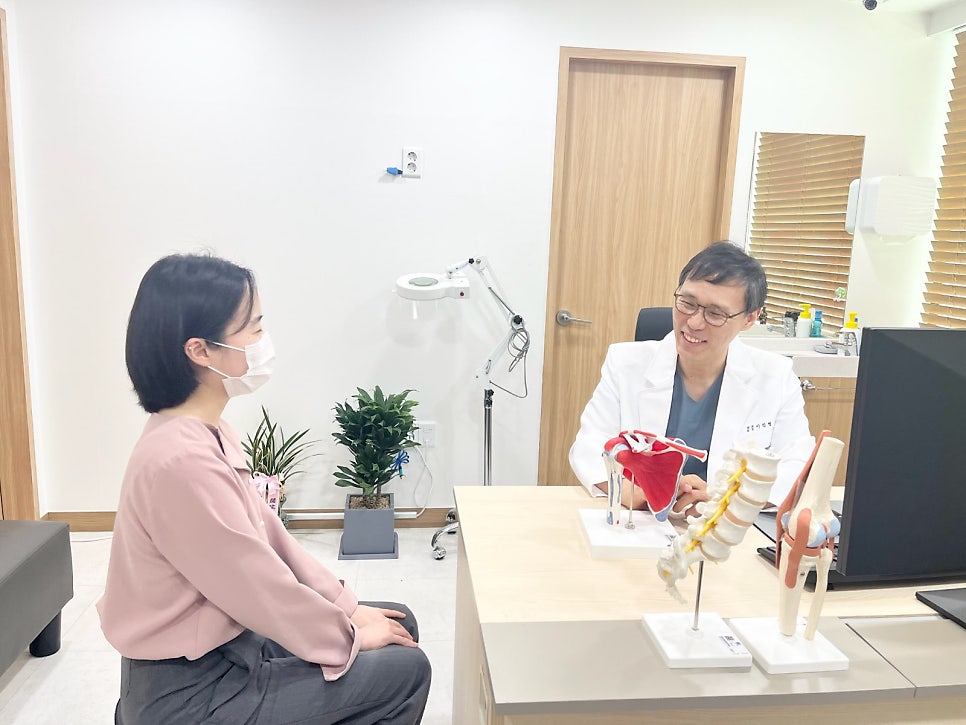
I extend my greetings on behalf of Dr. Lee Jin-young, the clinic’s director.
I would like to share the story of a patient who visited my clinic a few days ago.
I have pain in my neck and shoulders, and occasionally I also have headaches. I easily become fatigued and everything feels bothersome. I heard before that I have a straight neck from looking at a neck X-ray. Will manual therapy be effective in correcting my straight neck? These days, due to my job, I do a lot of long-distance driving, and my neck often feels stiff. I want to try manual therapy once. How long does the therapeutic effect of manual therapy last after just one session? I'm also curious if I need to receive it regularly.
As computer usage time increases compared to the past, many people find themselves sitting for long periods in the same position while working. Consequently, there has been a significant increase in complaints related to musculoskeletal symptoms. Many individuals hesitate to seek invasive treatments such as injections, and instead, they tend to believe that their symptoms will improve if they simply move less. As a result, they often delay seeking treatment, inadvertently exacerbating their condition. It's unfortunate that we often see patients only seeking medical attention when their symptoms become severe, such as when they experience restricted mobility or unbearable pain. If they had sought appropriate treatment before their symptoms worsened, they could have easily recovered. You may have heard of manual therapy before, but many people are unsure about what exactly it entails. Like the patient mentioned earlier, they might not be familiar with this form of treatment. Therefore, today, let's take a closer look at manual therapy, which is one of the effective non-surgical treatments for musculoskeletal disorders.
What is Manual Therapy?
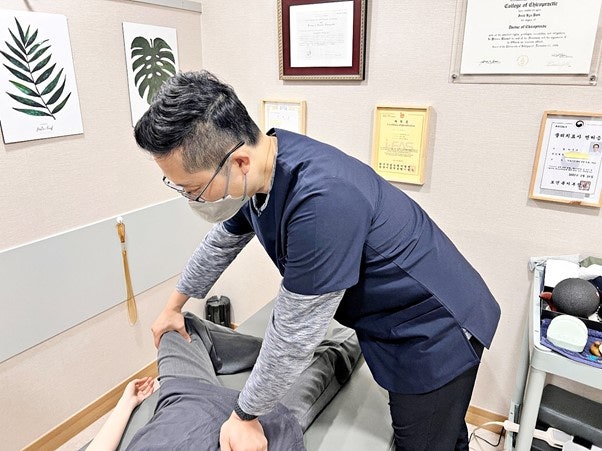
Manual therapy, involves hands-on treatment directly by a therapist.
Skilled manual therapy specialists, possessing expertise, work to enhance the movement of muscles causing pain or joints with limited mobility, aiming not only to reduce pain but also to promote proper posture. Manual therapy is a treatment method that can alleviate pain in the spine, joints, muscles, and fascia. It involves a systematic process based on specialized knowledge of the human body. Treatment programs are tailored according to the severity of symptoms and the type of condition, with varying levels of difficulty.
.jpg?type=w966)
What are the procedures and effects of manual therapy?
Diagnosis! Initially, a specialist assesses the patient's symptoms through medical history and conducts a thorough diagnosis using imaging studies or physical examinations. Planning! Once the specialist prescribes manual therapy tailored to the diagnosis, a skilled physiotherapist establishes a manual therapy plan tailored to the patient. Treatment! Using hands-on techniques or assisting tools, the physiotherapist relaxes muscles, spine, and connective tissues related to pain. Correct Posture! By correcting joint positioning and aligning body posture, pain is relieved, and blood and fluid circulation are improved. Manual therapy aligns distorted spine, muscles, and joints to alleviate pain. It improves joint mobility, facilitates blood and fluid circulation to aid tissue recovery, and prevents recurrence. Manual therapy's personalized approach involves applying treatment intensity and techniques according to the patient's condition, as it's administered directly by human hands. Moreover, it enables care for the patient's psychological state through communication with the therapist, and real-time feedback exchange between the patient and therapist is possible, which is advantageous.
What conditions does manual therapy help with?
A patient who visited my clinic inquired whether manual therapy would be helpful for treating straight neck. Similarly, patients often ask, "Can manual therapy help with pain in area OO?" In response to such inquiries, I explain: "For many musculoskeletal conditions, starting manual therapy treatment early can be an effective approach." Manual therapy covers a wide range of treatments, from mild discomfort such as shoulder tension or stiffness to severe pain that makes walking difficult, such as lower back pain.
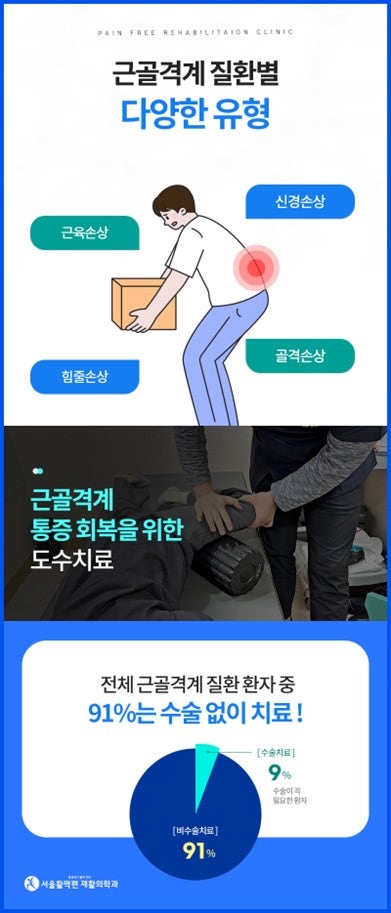
Manual therapy can be applied to various conditions, including joint mobility restrictions such as frozen shoulder, frequent muscle pain like myofascial pain syndrome, and spinal disorders such as scoliosis with poor posture. Additionally, it can address conditions like disc herniation, sciatica, low back pain (LBP), and myalgia in the lumbar spine, as well as cervical and thoracic spine issues like cervical disc, forward head posture, straight neck, and frozen shoulder. Furthermore, Manual therapy can also be used for managing chronic pain conditions like long-standing knee pain, elbow pain, and promoting postural balance as a part of preventive healthcare. Combining Manual therapy with additional pain physical therapy and self-directed exercise rehabilitation can enhance treatment outcomes.
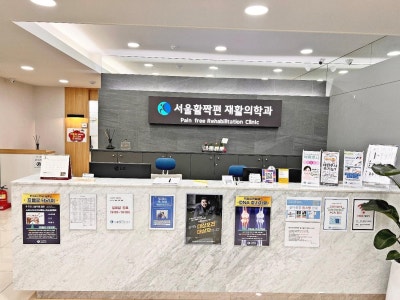
Here is how manual therapy at Seoul Painfree Rehabilitation Medicine Clinic is conducted
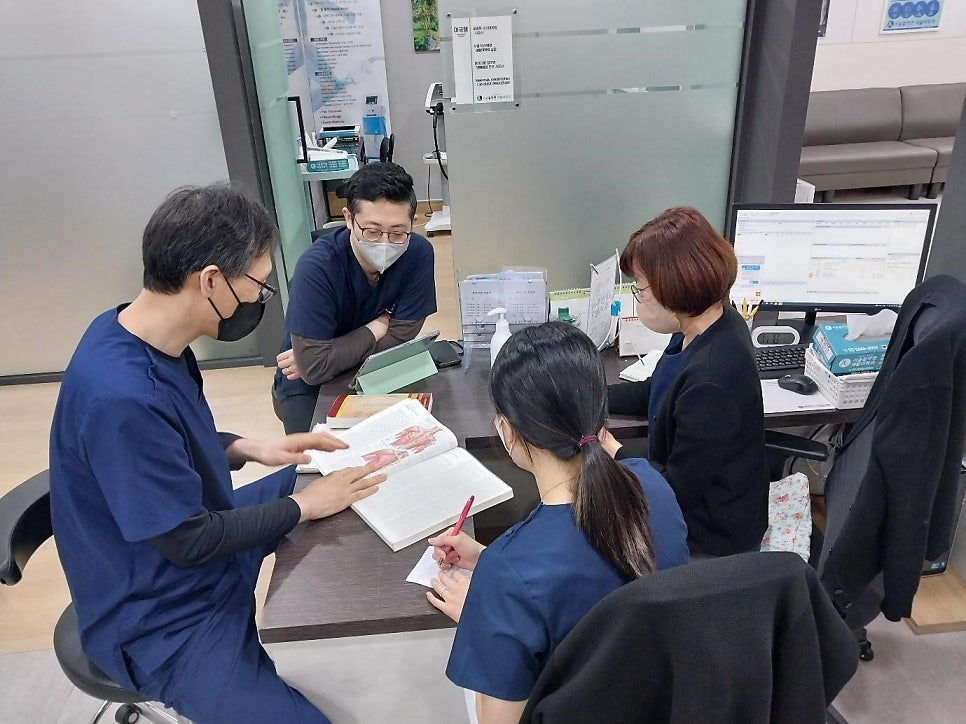
Each individual has unique posture, body type, occupation, and lifestyle habits. Therefore, even for similar musculoskeletal conditions, personalized treatment tailored to the individual's condition is necessary. At Seoul painfree Rehabilitation Medicine Clinic, we conduct weekly case studies to reflect on past treatments and discuss better treatment directions to implement personalized care. Our doctors, chiropractors, and physical therapists all take responsibility for the patient's health and are committed to their treatment. You can receive meticulous care from a specialist who is a former university hospital professor, chiropractors licensed in the United States (only around 50 in Korea), and experts who directly educate manual therapy exercise therapists. "Wide Open from Pain," Seoul painfree Rehabilitation Medicine Clinic wishes you health and happiness. Thank you.