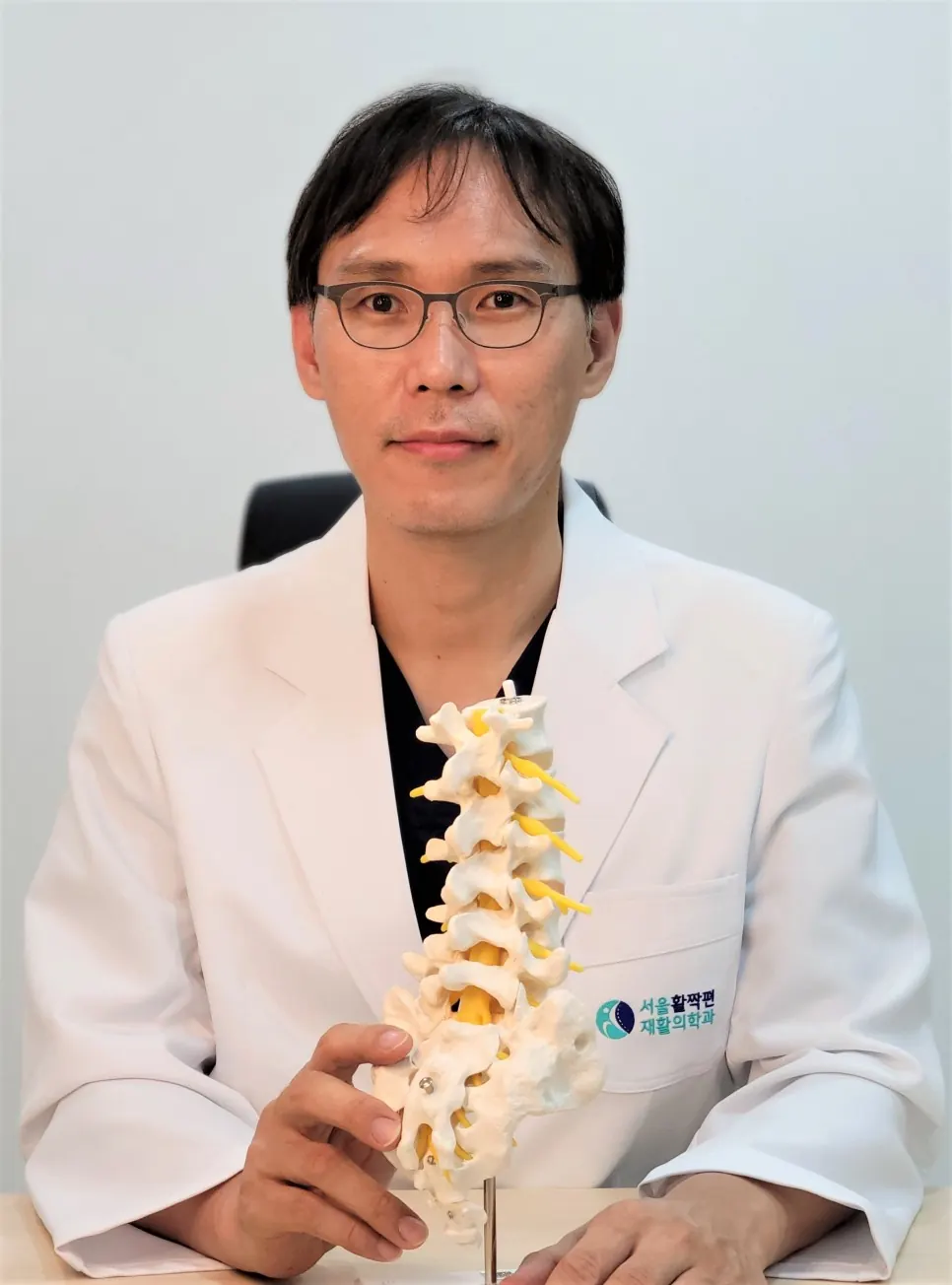
I extend my greetings on behalf of Dr. Lee Jin-young, the clinic’s director.
Until humanity became the custodian of all things, the role of hands was crucial. Especially, the shoulder joint connected to the hands plays an indispensable role in many aspects of daily life.
In the previous post, we examined the causes and symptoms of shoulder impingement syndrome, which is a common ailment not only for people in their 50s but also for those in professions that involve a lot of computer work.
For those who want to delve more into the details of shoulder impingement syndrome from the previous post, clicking the link below may be helpful.
Link - https://blog.naver.com/painfree3004/223364925466
Shoulder Impingement Syndrome 1: How is your shoulder? (Causes and Symptoms)Thank you for visiting the Seoul Painfree Rehabilitation Medicine Clinic blog. I extend my gr...칼럼 읽기 ›In this post, we will provide easily understandable information on the diagnosis and treatment methods of shoulder impingement syndrome.
I went to a different hospital, and they diagnosed me with shoulder impingement syndrome. They recommended surgery, and I said I would consider it. Are there any alternative treatments instead of surgery?
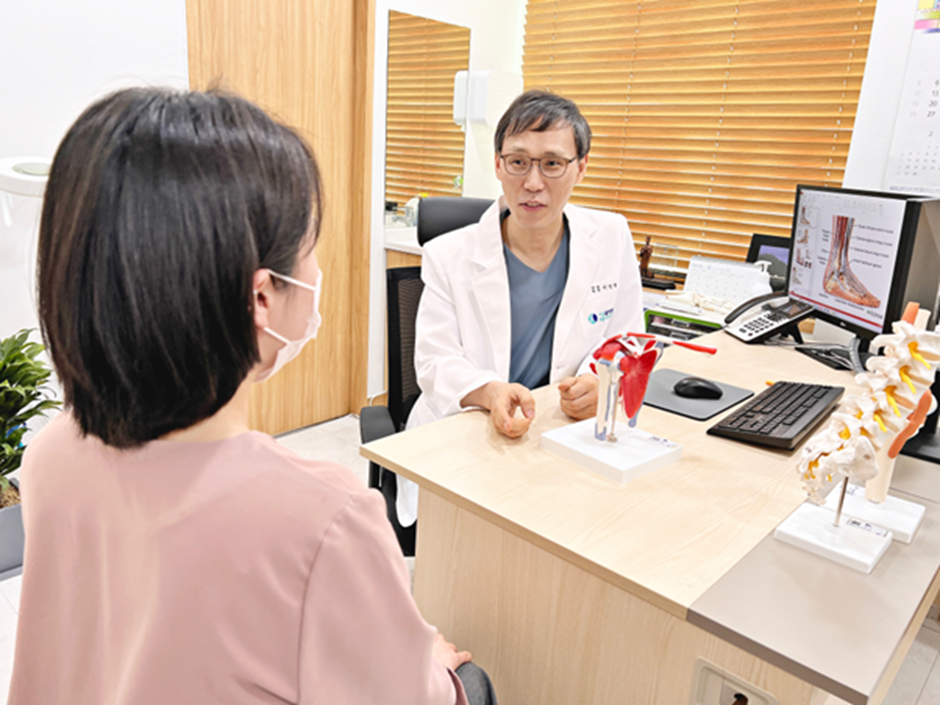
What is the diagnosis of shoulder impingement syndrome?
The diagnosis of shoulder impingement syndrome is similar to the diagnostic process for other conditions. It involves medical history inquiry, physical examination, and imaging tests.
First, through a detailed and thorough medical history inquiry, suspicious symptoms such as impingement noise or pain are confirmed.
Second, the range of joint movement, muscle strength, and limitations are checked.
Symptom-provoking tests are conducted through physical examinations, with Neer's test and Hawkins test being representative exams.
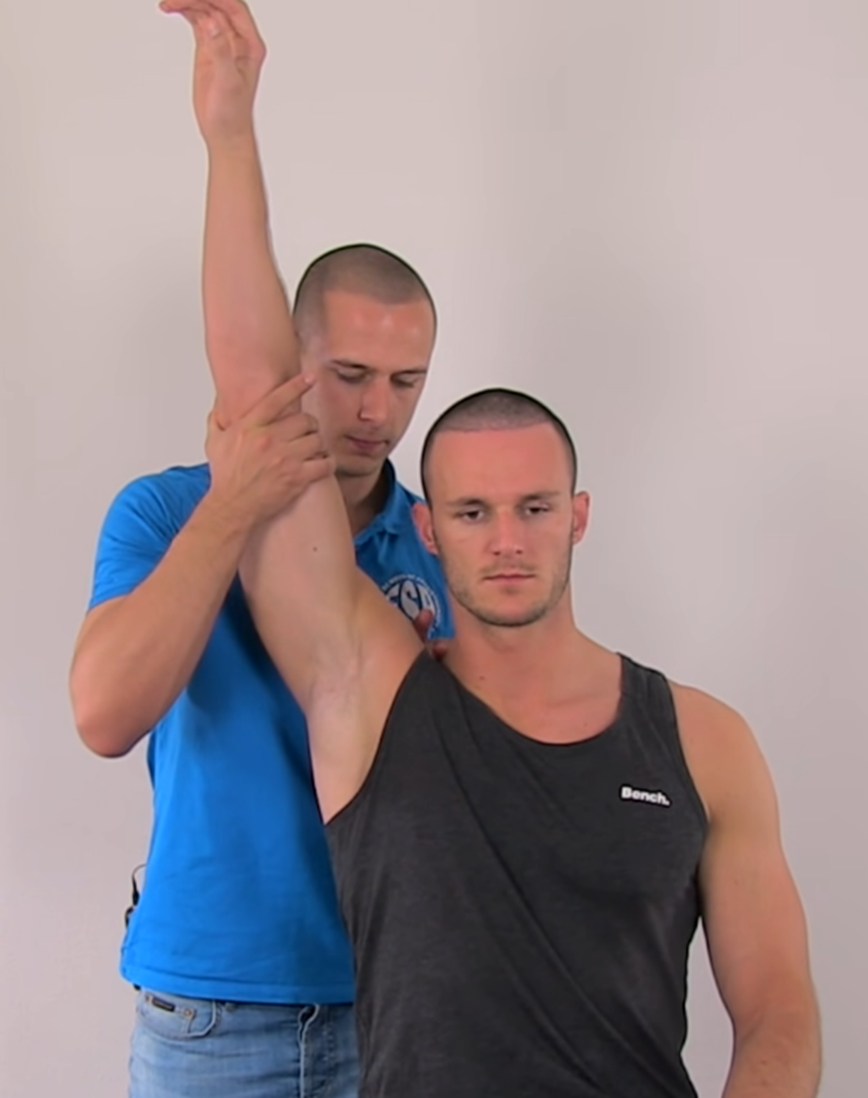
The Neer test is conducted as follows:
- The patient remains still without exerting force.
- The doctor holds the patient's arm and raises it above the head.
- During this process, the doctor checks for the induction of pain.
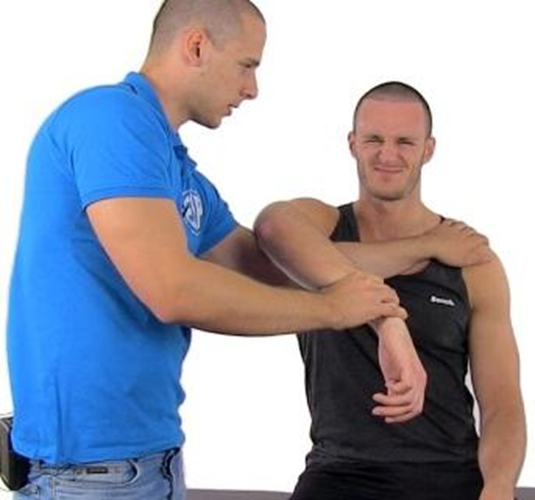
The Hawkins test is conducted as follows:
- The patient remains still without exerting force.
- The doctor holds the patient's arm and internally rotates the shoulder.
- The doctor observes whether pain is induced.
Next, imaging tests are performed.
- X-ray
- To determine calcification and fractures, and to examine the overall structure of the shoulder bones, including the acromion and humeral head. It also checks for any bony spurs or other degenerative changes.
- MRI
- To identify bursitis, soft tissues in the shoulder joint, and degeneration of tendons.

How is shoulder impingement syndrome treated? In most cases, shoulder impingement syndrome can be effectively improved with non-surgical treatments.
Firstly, it is recommended to avoid using the shoulder as much as possible and refrain from activities that may exacerbate the condition to allow sufficient rest.
Educating proper stretching techniques through physical therapy is important to restore the range of motion and flexibility of the shoulder joint.
Medication therapy, including anti-inflammatory and muscle relaxants, is also implemented.
Given that the shoulder joint is a complex joint, physical therapy can be very beneficial.
Additional treatments such as extracorporeal shock wave therapy may be administered.
Injection therapy is also an effective way to alleviate symptoms. Steroid injections, prolotherapy, and DNA injections are examples.
Steroid injections reduce inflammation to alleviate symptoms. Long-term use may have side effects, so it is crucial to administer an appropriate dosage accurately through ultrasound guidance.
Prolotherapy induces inflammation by injecting a high-concentration glucose solution, promoting the healing process of damaged areas. This strengthens ligaments and tendons, also known as ligament strengthening injections.
Glucose is a safe and side-effect-free substance that aids the body in its natural recovery.
DNA injections use a component called PDRN extracted from salmon and other fish to stimulate cell regeneration. This treatment is safe and can be performed without significant side effects.
If conservative treatments, such as the ones mentioned above, do not show improvement after about six months, surgery may be considered. Options include acromioplasty and subacromial decompression surgery.
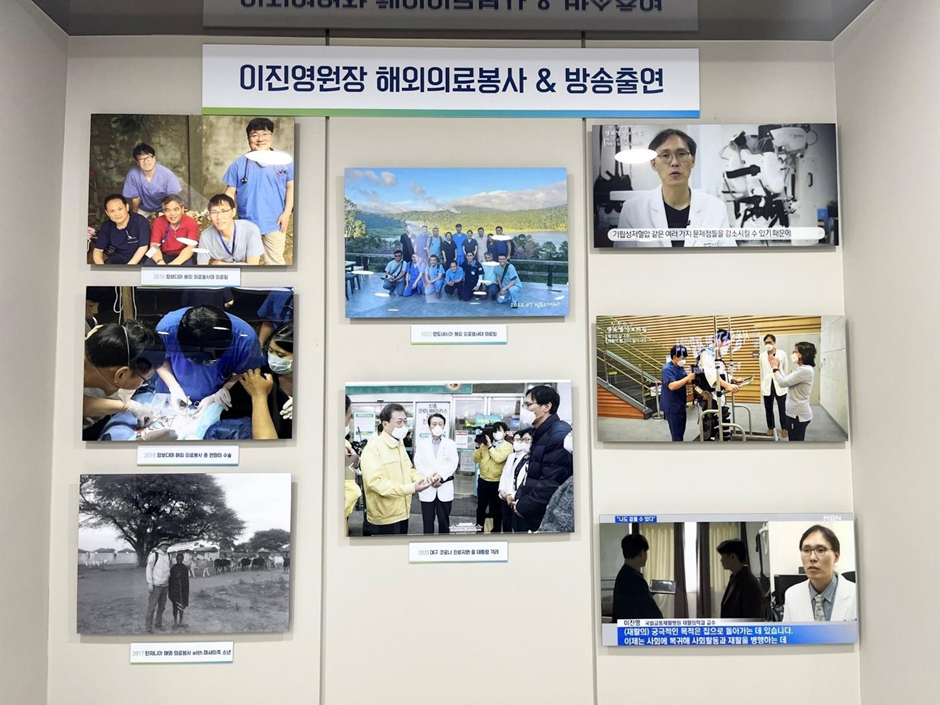
Seoul Wide Open Rehabilitation Medicine Clinic considers the convenience of busy patients.
Getting treatment early for any illness leads to better outcomes, and it's a fact that most patients are aware of. However, many individuals find it challenging to make time for treatment on weekdays. Consequently, they inevitably postpone treatment and endure discomfort until symptoms worsen, forcing them to seek care.
Seoul Wide Open Rehabilitation Medicine Clinic understands the needs of busy patients. To provide a solution, we offer consultations on Sundays and evening appointments on Wednesdays, allowing you to comfortably initiate treatment before symptoms escalate.
If you've been delaying treatment due to time constraints, we encourage you to visit Seoul Wide Open Rehabilitation Medicine Clinic and receive the care you need.
Thank you.