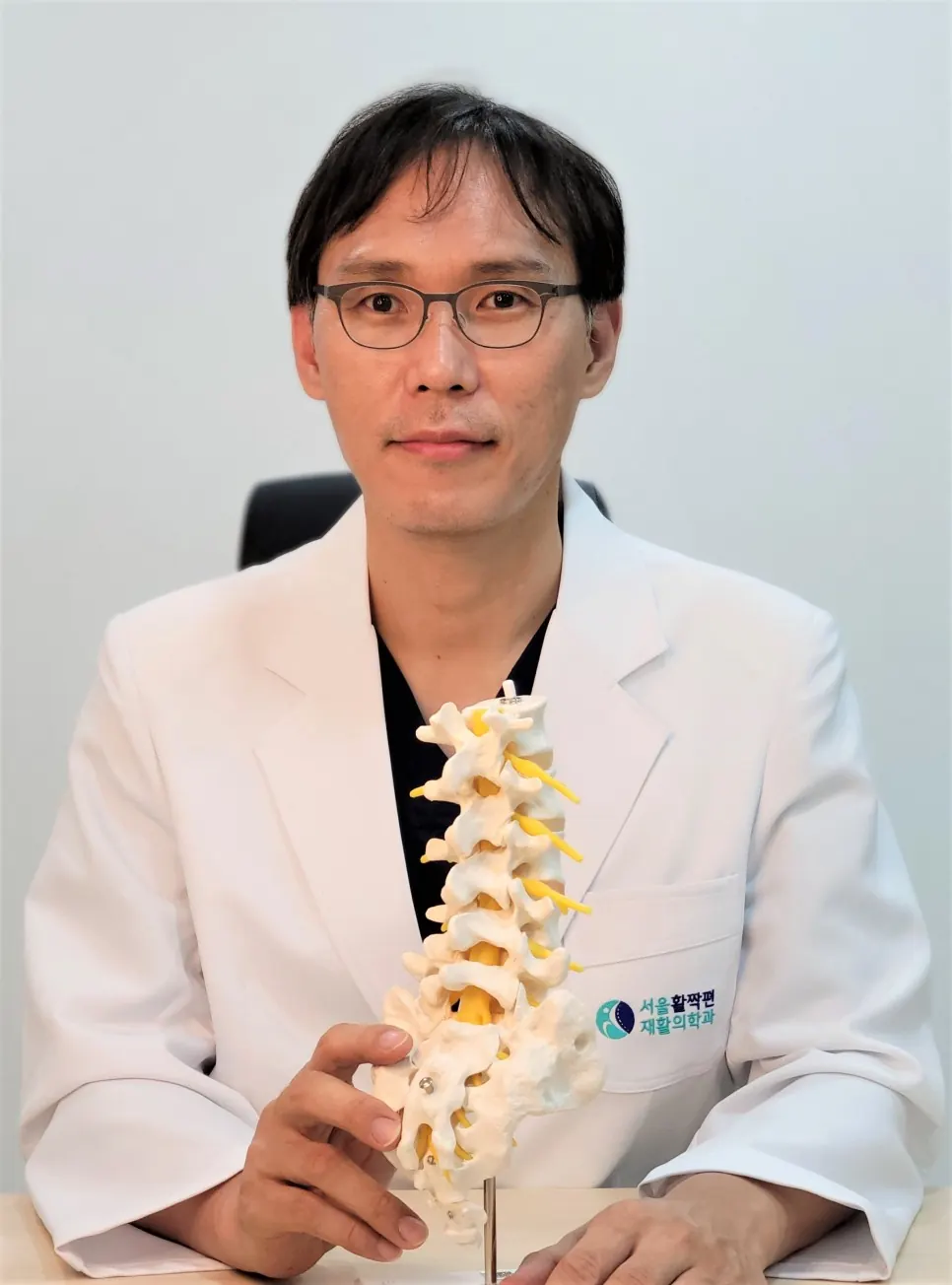
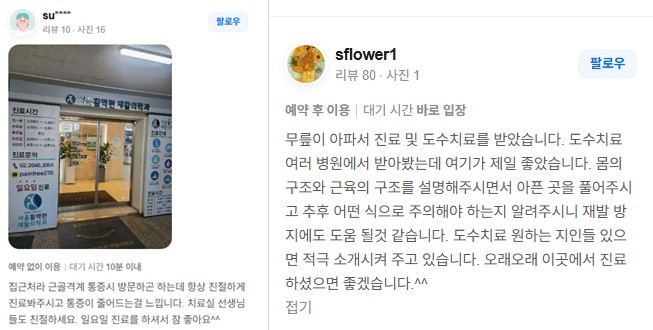
When we read the heartfelt reviews left by those who have visited Seoul Hwaljjagpyeon Rehabilitation Medicine Clinic and received care from us, our hearts are truly warmed. We know that the journey to recovery is not an easy one, so every sincere word our patients take the time to share gives us great strength and reminds us once again of our commitment to provide even better care.
Each time we read about the changes our patients have felt and their expressions of gratitude, we find deep fulfillment in knowing that their daily lives are becoming a little more comfortable. It naturally inspires us to continue walking alongside each patient, providing attentive and compassionate care every step of the way.
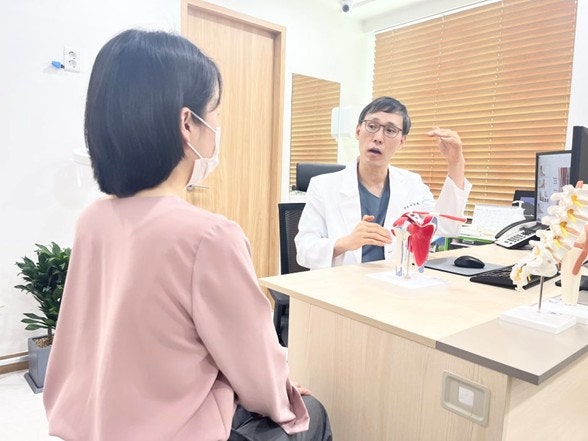
Recently, we had a patient who visited Seoul Painfree Rehabilitation Medicine Clinic due to leg pain and showed significant improvement with our care. The patient reported experiencing pain and numbness in the legs whenever walking, with symptoms only improving after resting for a considerable amount of time.
Today, we would like to take a closer look at why these symptoms occur. If you have been wondering what causes leg pain and where the root of the problem may lie, we encourage you to read today’s content carefully.
📌 Contents
▪ Why leg numbness should not be taken lightly ▪ Reasons to suspect spinal stenosis ▪ What types of tests may be needed in such cases ▪ Pain relief through chiropractic care
Why Leg Numbness Should Not Be Taken Lightly
At first, mild leg numbness or a dull ache in the lower back may seem insignificant and easy to ignore. However, as these symptoms recur, many people notice that their walking speed gradually slows and the amount of time they need to rest increases.
Discomfort often worsens while standing and improves quickly when sitting. Because of this, some people dismiss the symptoms as a natural part of aging and leave them untreated. However, this pattern requires careful attention, as it can be a typical sign of neurogenic claudication, a condition related to nerve involvement.
Although the symptoms may appear temporary because they improve with sitting and rest, the underlying cause is often a narrowing of the passageway through which the nerves travel, leading to ongoing nerve irritation. This is why the symptoms are likely to recur. Understanding the condition accurately and managing it at the appropriate time is essential.
Reasons to Suspect Spinal Stenosis
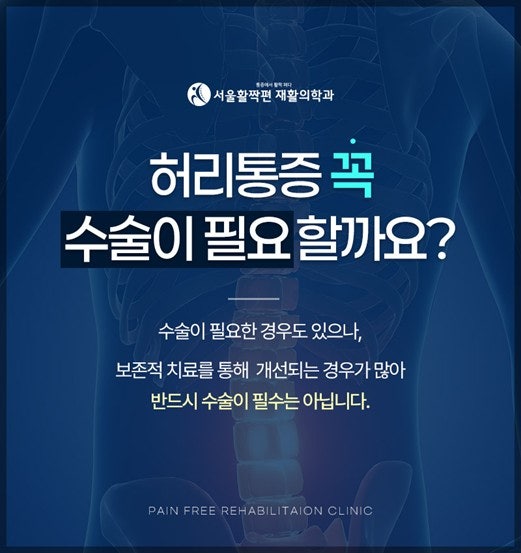
Spinal stenosis is a condition in which the spinal canal—the space through which the nerves pass—narrows and compresses the nerves, leading to symptoms such as leg numbness, tightness, pulling sensations, and a feeling of heaviness. In the early stages, some patients experience discomfort only in the legs without significant lower back pain, making it easy to mistake the condition for simple muscle fatigue or poor circulation.
The most characteristic symptom is a walking disorder known as neurogenic claudication. Patients find it difficult to walk beyond a certain distance, but are able to walk again after sitting down. This occurs because bending the spine forward temporarily widens the nerve passageway.
In addition, numbness spreading throughout the legs, tightness in the calves, and worsening pain when standing for long periods are commonly seen in spinal stenosis. Pain often intensifies when the lower back is extended backward and improves when bending forward, which is an important diagnostic clue. If these symptoms persist, they may indicate that nerve compression is progressing.
What Tests Are Needed in These Cases?
When spinal stenosis is suspected, it is important to assess how significantly the nerves are being affected. One of the tests commonly used for this purpose is an electromyography (EMG) test, which evaluates the responses of the leg muscles and nerves to determine whether there are changes caused by nerve compression.
This test helps distinguish whether symptoms such as numbness or weakness during walking are due to simple muscle issues or are associated with impaired nerve function.
As a result, it plays an important role in guiding the direction of treatment. In particular, when pain is widespread or symptoms affect both legs, an EMG test is useful for objectively identifying the extent of nerve involvement. The results can also serve as valuable reference data when planning non-surgical treatment or rehabilitation.
At Seoul Painfree Rehabilitation Medicine Clinic, this test can be performed on the same day as your visit, and you can receive appropriate care based on the results.
ATT Robotic Decompression Therapy to Reduce Lower Back Pain and Nerve Compression
When discomfort from spinal stenosis becomes more pronounced, one non-surgical treatment option that may be considered is ATT robotic decompression therapy. This therapy works by gradually reducing pressure on the areas where the nerves are compressed, helping to restore the space between the vertebrae and potentially alleviate pain.
ATT therapy is not simply a machine-based treatment; a thorough pre-treatment evaluation is essential. Electromyography (EMG) is used to determine whether the pain originates from nerve compression, while MRI and X-ray imaging are reviewed to assess the extent of spinal narrowing and structural changes. This allows for a careful determination of treatment suitability.
Through this process, the amount of decompression force applied is safely controlled, and treatment settings can be customized to each patient’s body type and pain pattern, allowing therapy to proceed with minimal strain.
For patients with spinal stenosis, ATT robotic decompression therapy may be a helpful option before considering surgery. It may contribute to reducing walking difficulties and recurrent leg numbness caused by nerve compression.
However, since this treatment is not appropriate for every patient, making a decision based on an accurate and thorough evaluation is essential.
Pain Relief Through Chiropractic Care
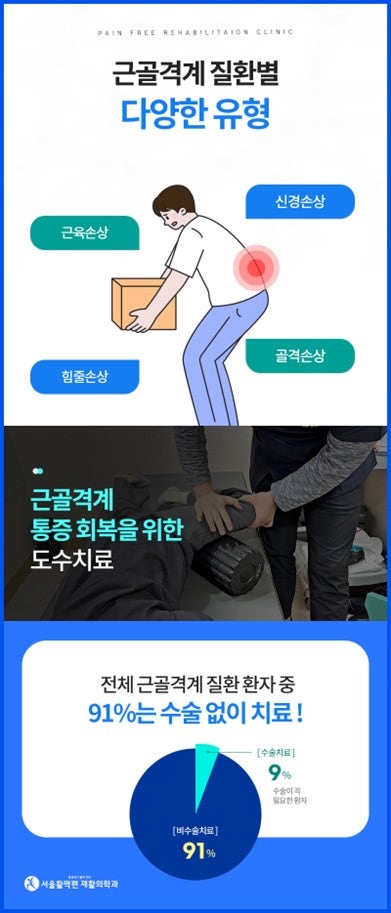
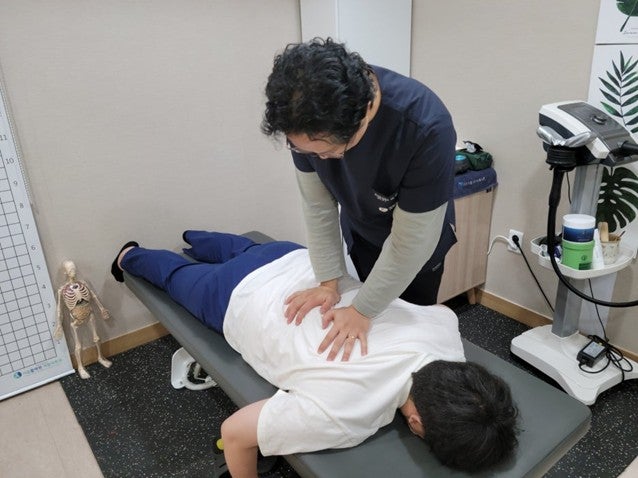
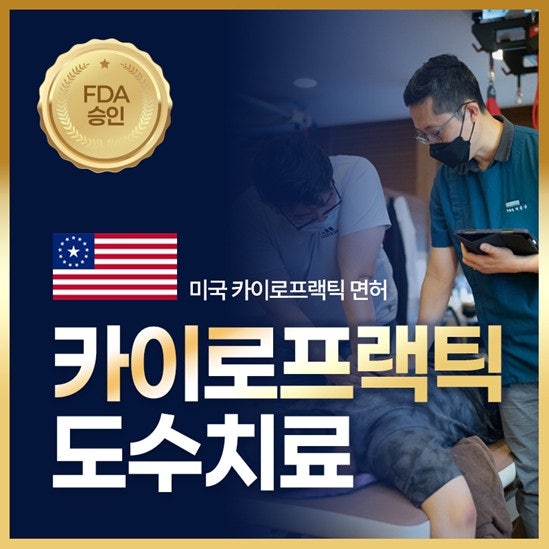
Another treatment option, chiropractic care, is a management approach that helps restore proper joint movement and reduce stress on imbalanced areas, contributing to more comfortable overall movement.
This treatment encourages the recovery of joint mobility and helps relax tight muscles. As muscle tension eases, blood circulation improves, which can have a positive effect on pain relief. In many cases, chiropractic care not only alleviates lower back discomfort but also helps reduce stiffness in connected areas such as the neck and shoulders. This can support better postural balance during walking as well.
Chiropractic care is based on a structured and rigorous educational process, not a short-term certification. In the United States and Canada, chiropractors must first obtain a bachelor’s degree, followed by 3 to 4 years of graduate-level education, and successfully pass both federal and state or provincial licensing examinations to become licensed professionals.
In Korea, an official national licensing system has not yet been established, making it difficult to find practitioners with formal qualifications. At Seoul Hwaljjagpyeon Rehabilitation Medicine Clinic, licensed and formally trained professionals are available, allowing patients to expect a higher standard of chiropractic care.

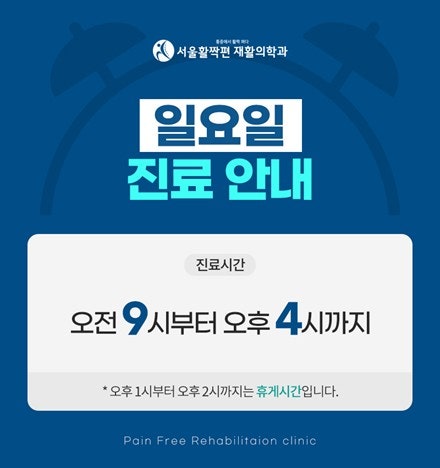
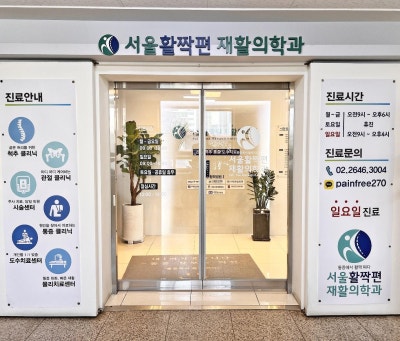
Pain in our bodies can worsen unexpectedly, both in timing and intensity. For this reason, we offer Sunday clinic hours to help patients respond to sudden situations, as well as Wednesday evening appointments so that working professionals can visit us even on weekdays.
Through a wide range of diagnostic tests and treatment options, we continuously strive to provide comprehensive care and help our patients achieve better health and improved quality of life.
If you are experiencing discomfort or pain in your lower back, legs, or other areas of the body, please feel free to visit Seoul painfree Rehabilitation Medicine Clinic at any time.
Thank you.
<Informational Video: ATT Robotic Decompression Therapy>
https://youtu.be/gg21JcbQWko?si=qp5IAaTo4Y4R3BNK