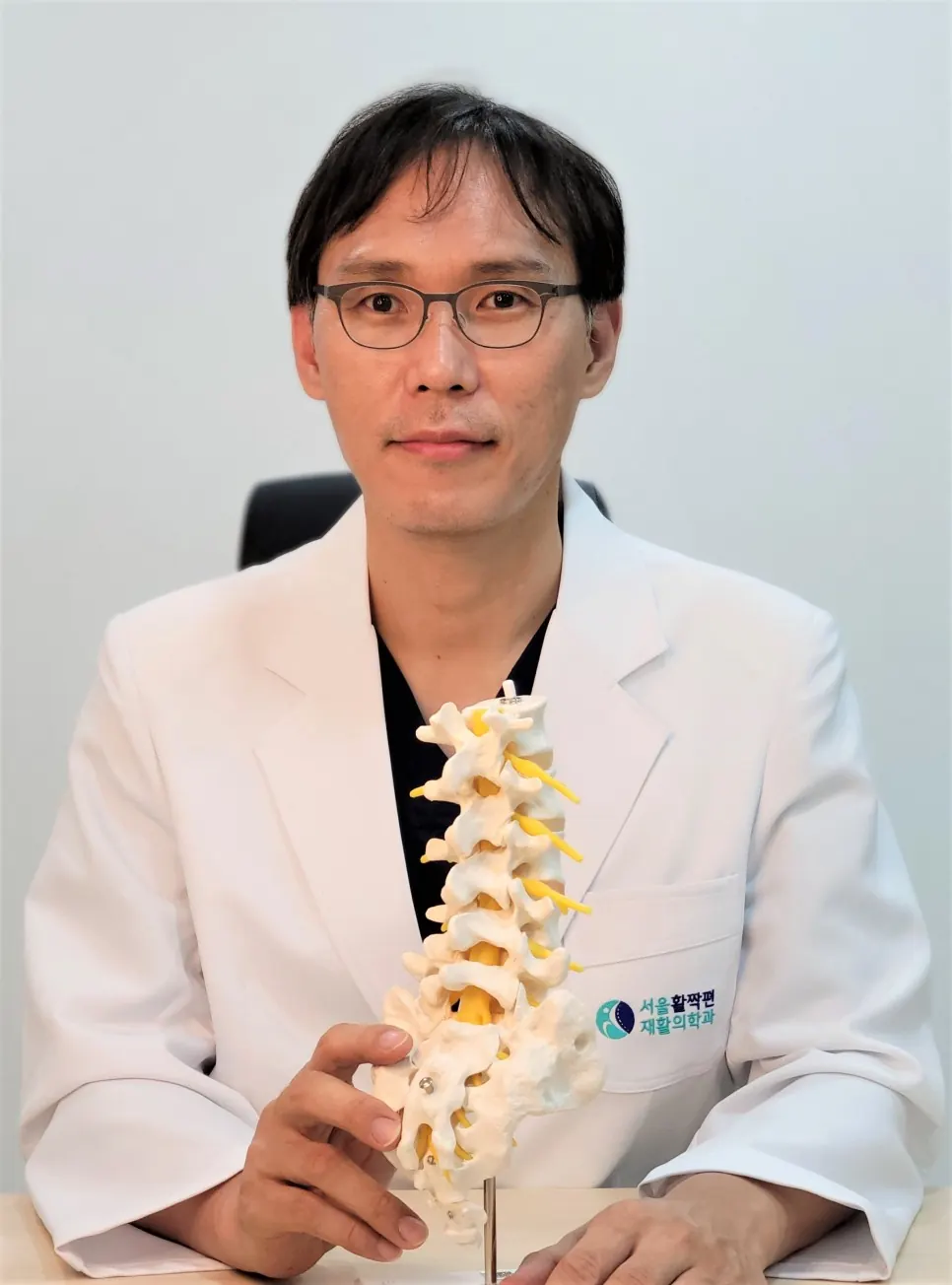
I extend my greetings on behalf of Dr. Lee Jin-young, the clinic’s director.
In the previous session, I introduced what scoliosis is, its causes, and symptoms. Scoliosis is a condition where the spine twists, commonly occurring in adolescents during growth. While it often doesn't cause symptoms itself, it can lead to secondary conditions that require correction. For those who want to learn more about scoliosis, referring to the link below may be helpful
링크 추가
When I was in middle school, I heard suggestions to get examined because it seemed like I might have scoliosis during a physical examination. I got an X-ray to diagnose scoliosis, but since I didn't feel any discomfort, I just let it go. Even now in my twenties, I don't have any symptoms, but recently during a company health check-up, I heard about scoliosis again. After hearing that, I started wondering if my difficulty in sitting with proper posture and occasional back pain might be because of scoliosis. That's why I decided to come to the hospital now to get correction. Can scoliosis be corrected without surgery?
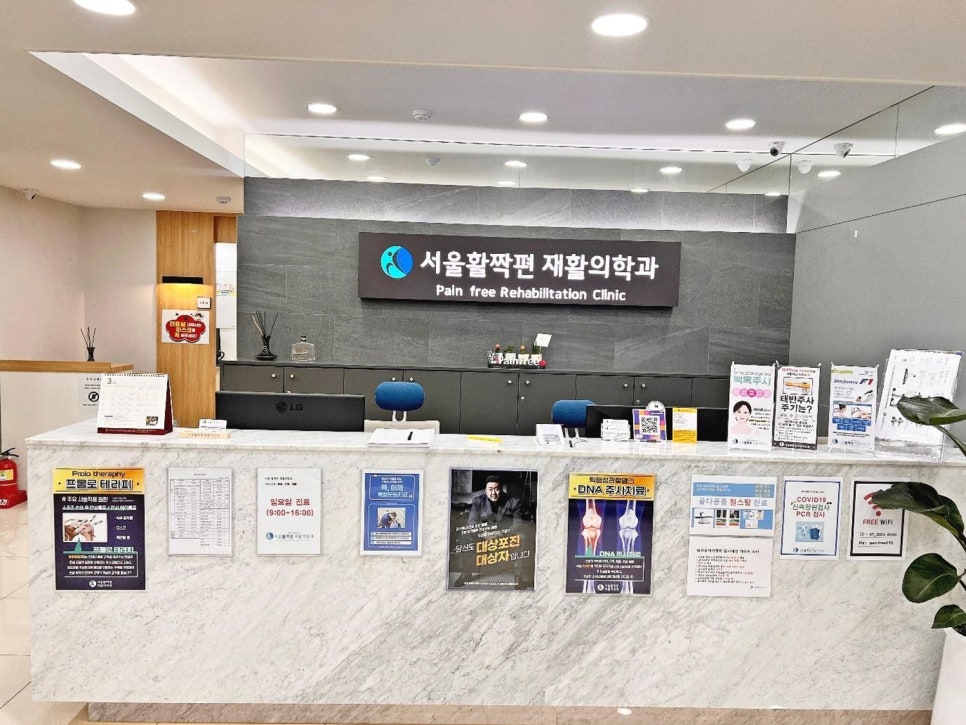
Here is the story of a patient who recently visited my clinic.
Scoliosis is a common condition that can easily be identified by those around us, and there are many people who want to know about treatment methods. So today, I will take some time to explain the diagnosis and treatment of scoliosis.
How is scoliosis diagnosed?
Scoliosis can be diagnosed to some extent by visual observation. When standing, one may notice differences in the height of both shoulders, or when viewed from the back, a curved spine or asymmetrical protrusion of one scapula can be observed.
When a patient bends their waist forward about 90 degrees, it becomes more evident whether the spine is curved and if one scapula and ribs protrude asymmetrically. Hence, it can be easily examined during school physical examinations or at home. Scoliosis typically doesn't cause pain on its own, but if there is pain, it's important to check for accompanying conditions such as straight spine syndrome, anterior displacement of the spine, or lumbar disc herniation.
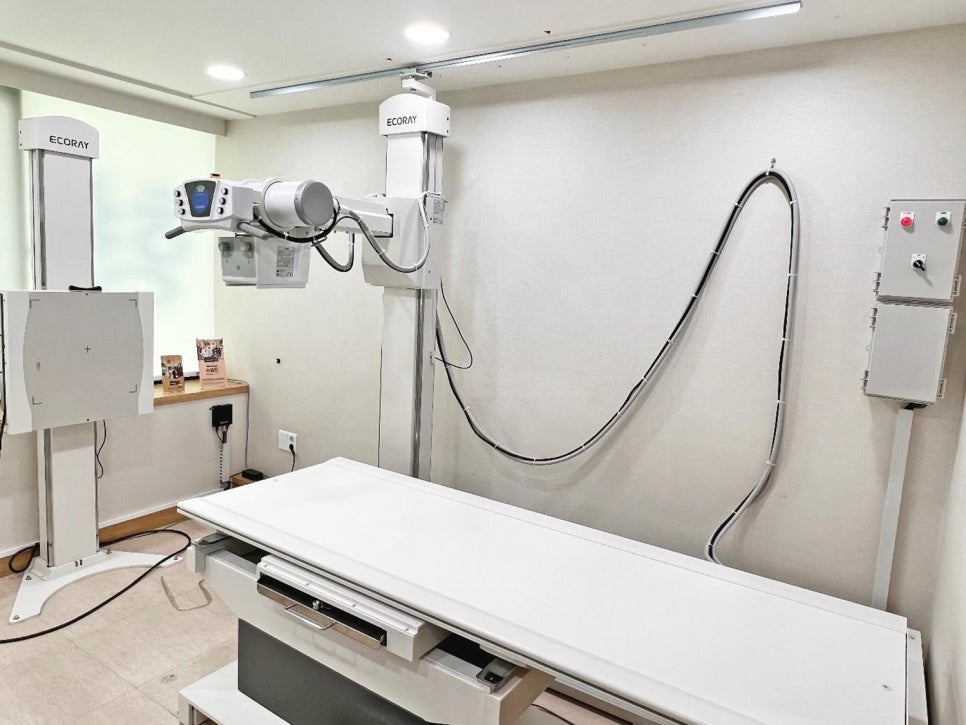
X-ray imaging is crucial for diagnosis as it provides detailed information about the degree and location of the curvature since it allows for a clear view of the bones. Additionally, in cases where the severity of the syndrome is between 80 to 100 or higher, there might be a decrease in lung function, so lung function tests may also be necessary.
The treatment for scoliosis?
The goal of treating asymptomatic scoliosis is to prevent further curvature, and in cases where the curvature is severe enough to cause pulmonary dysfunction, correcting it to restore balance to the body.
Treatment methods for scoliosis include regular observation, brace wearing, and surgery.
In the case of idiopathic scoliosis, which accounts for the majority of scoliosis cases, many are asymptomatic. Additionally, in most cases, the progression of scoliosis stops after the spine has finished growing. Therefore, if the curvature is not severe, regular observation and exercises to maintain flexibility are usually prescribed.
Brace wearing can also be beneficial. Braces help prevent the progression of curvature during the growth period of the spine and maintain this correction until growth is complete. When wearing a brace, it's important to observe whether the correction is maintained every 4 to 6 months.
In rare cases where the curvature is severe enough to impede growth or affect the lungs, surgical correction may be necessary.

Scoliosis requires consistent management.
It's important to educate on proper posture and maintain spine and muscle flexibility through regular stretching.
Moreover, even if it's often recommended to just observe, if you experience pain in your lower back, don't hesitate to seek medical attention for proper examination and treatment.
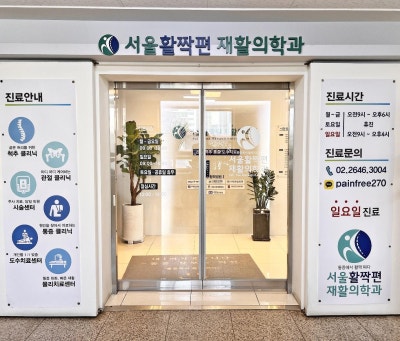
Seoul Painfree Rehabilitation Medicine Clinic strives for personalized treatment.
Our clinic holds weekly case studies where the entire medical team gathers.
We reflect on the treatments conducted during the week and discuss if there are more suitable directions for treatment. This includes not only doctors but also therapists, nursing staff, and administrative staff, all of whom work diligently with a sense of responsibility for the patients' health.
Thank you