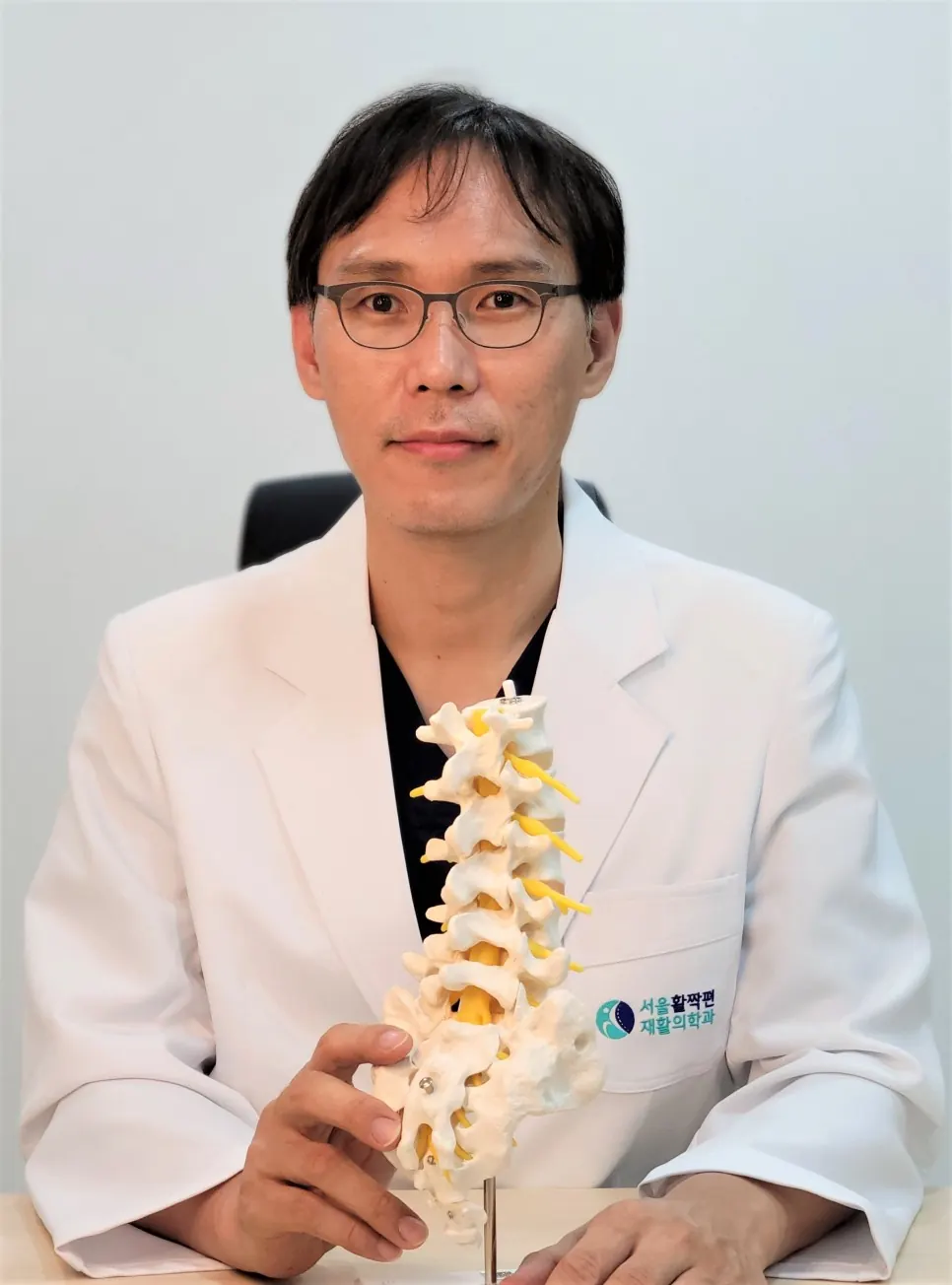
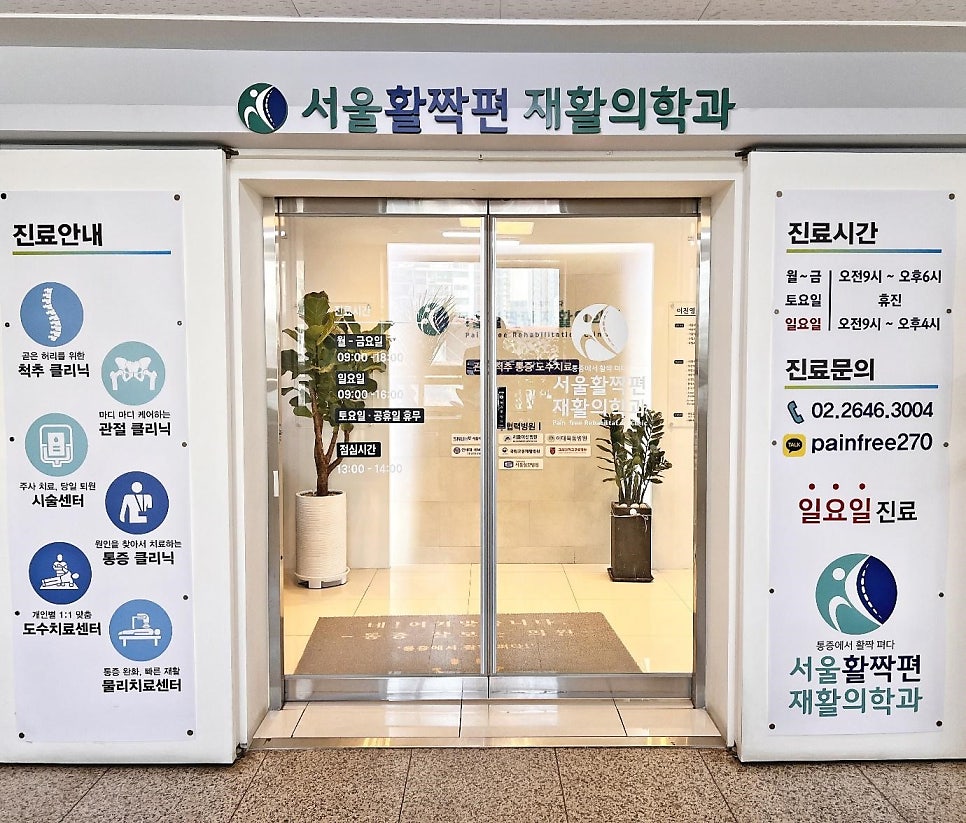
I extend my greetings on behalf of Dr. Lee Jin-young, the clinic’s director.
I would like to share the story of a patient who recently came in for treatment due to lower back pain.
I'm considering going back to the hospital because my herniated disc seems to have recurred. I'm reluctant to undergo surgery, so I'm interested in non-surgical treatments. I've heard about manual therapy and physical therapy. What's the difference between them? Are there any side effects
Both manual therapy and physical therapy are common non-surgical treatment methods for musculoskeletal disorders.
However, many patients are often unsure about the exact differences between manual therapy and physical therapy.
So, in this article, I will briefly explain what physical therapy and manual therapy are and discuss the differences between these two treatment methods.
What is physical therapy?
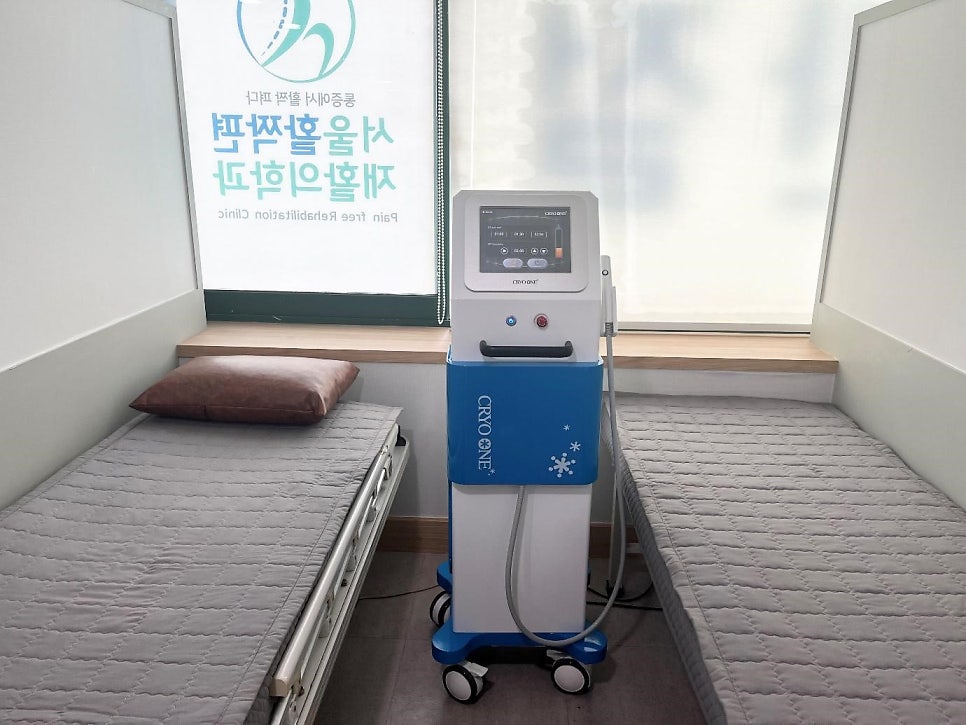
Physical therapy involves using physical methods such as heat, electricity, etc., to alleviate pain, promote tissue regeneration, and improve body movement. Common methods of physical therapy include superficial heat therapy, deep heat therapy, cryotherapy, and electrical therapy. Treatment is administered by supplying electrical or heat energy to the painful area through machines.
Physical therapy involves using physical methods such as heat, electricity, etc., to alleviate pain, promote tissue regeneration, and improve body movement. Common methods of physical therapy include superficial heat therapy, deep heat therapy, cryotherapy, and electrical therapy. Treatment is administered by supplying electrical or heat energy to the painful area through machines.
When performing physical therapy, it's important to accurately identify the location of damaged nerves or muscles. Most pain related to musculoskeletal disorders such as acute pain, chronic pain, neuralgia, and muscle pain due to inflammation can benefit from physical therapy. However, individuals with pacemakers should never undergo electrical therapy. Additionally, it's advisable for individuals who have undergone knee arthroplasty with metal screws to avoid electrical therapy.
While there may be differences depending on the method of physical therapy, typically, treatment sessions should last between 15 to 20 minutes. Prolonged treatment sessions may lead to muscle fatigue. It's also essential to be cautious about the intensity of the treatment, as excessive intensity may cause electrical burns. Therefore, receiving treatment with appropriate duration and intensity is recommended.
What is manual therapy?
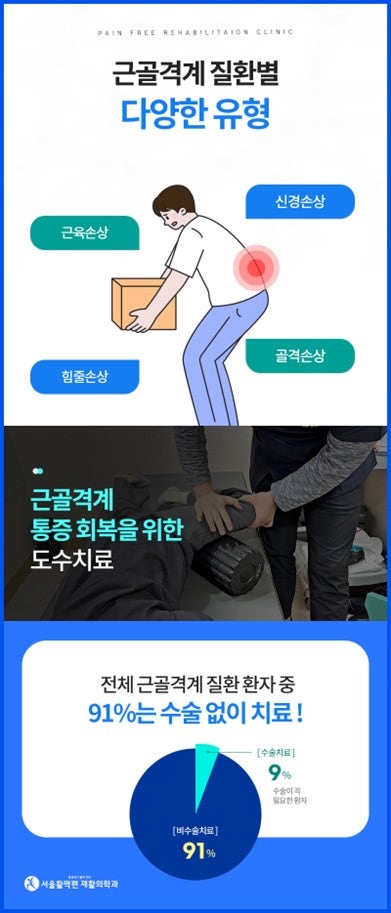
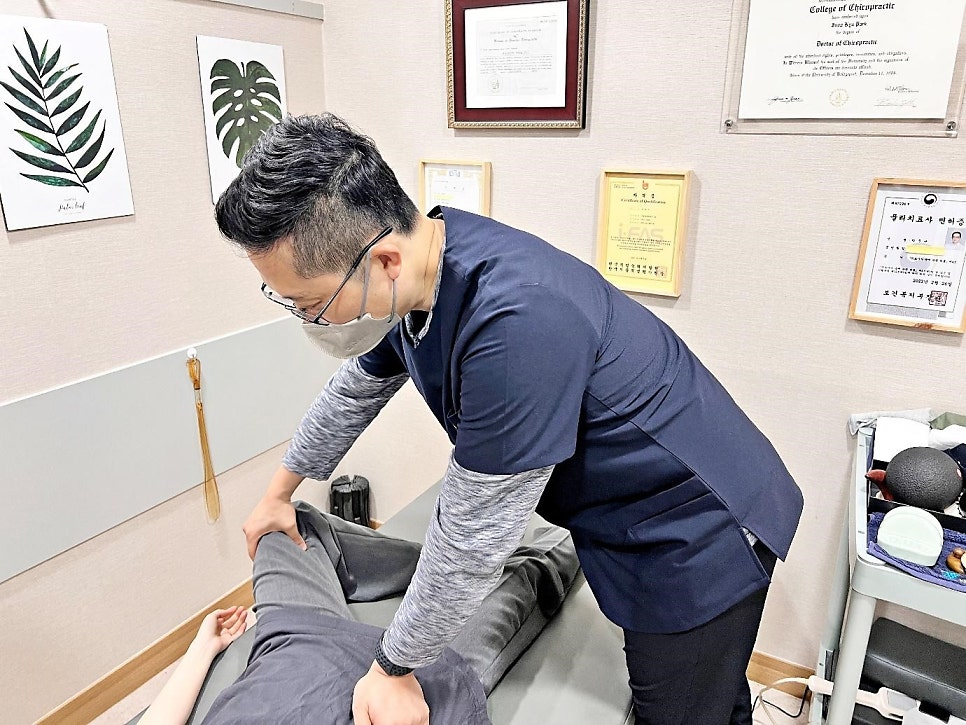
Manual therapy, unlike machine-based physical therapy, is a hands-on treatment performed directly by a therapist, involving one-on-one sessions between the patient and the therapist.
It is generally more effective for the treatment of complex joints with diverse movements such as the spine or shoulder, rather than single joints like the knee or elbow.
First, an accurate diagnosis and assessment are conducted to identify the extent of the damaged area and the degree of restricted movement, followed by the development of a tailored treatment program.
Typically, treatment lasts for 4 to 6 weeks, focusing on conducting step-by-step tests for vulnerable areas like the shoulder, spine, or hip, followed by the implementation of appropriate treatment programs.
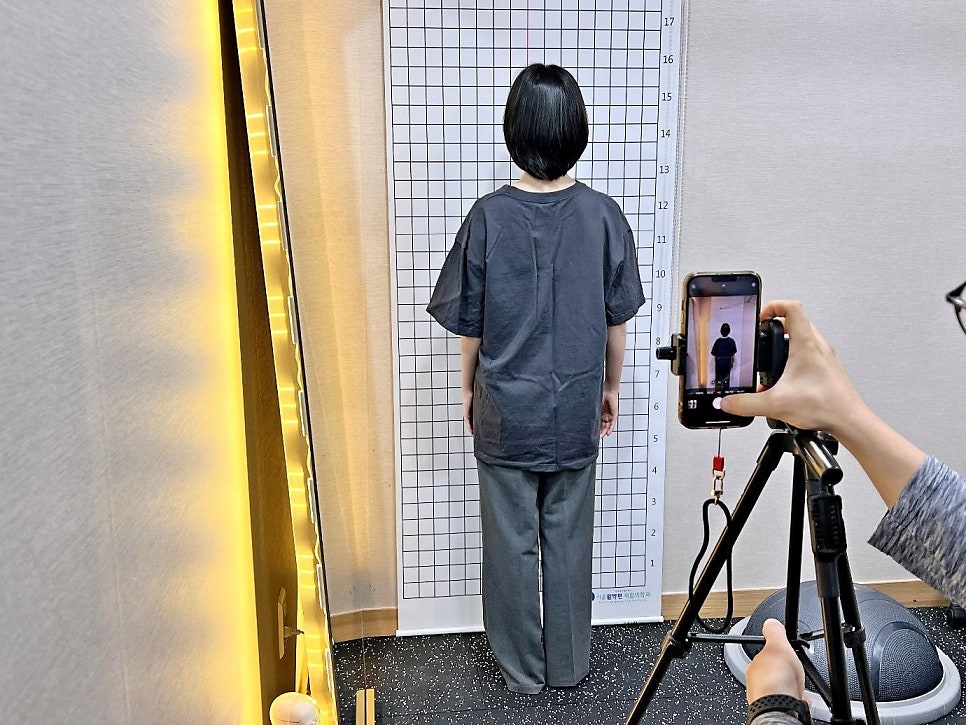
During manual therapy, not only pain but also underlying causes such as postural imbalances are considered in the treatment process.
One caution during manual therapy is that sometimes patients may engage in exercises outside of the treatment program that are not suitable for their condition, leading to exacerbation of symptoms. Therefore, it's advisable to avoid personal exercises at the gym or Pilates during the period of receiving manual therapy.
For instance, if shoulder joint range is limited and strenuous exercise is performed, it can worsen the symptoms, and if back pain persists and strenuous exercise is undertaken, it can exacerbate the pain further.
What is the difference between physical therapy and manual therapy?
So far, we have looked into physical therapy and manual therapy. Based on the information provided earlier, let me briefly explain the differences between physical therapy and manual therapy.
Physical therapy is generally an effective treatment for most joint pains and typically involves machine-based treatments. In contrast, manual therapy is more effective for complex joints with diverse movements such as the shoulder, spine, and hip. It is a hands-on treatment performed directly by a therapist.
Since manual therapy is entirely performed by hand, therapists can apply treatment intensity and techniques tailored to each patient's needs more delicately. Furthermore, as therapy sessions involve one-on-one interaction between the therapist and the patient, there is a level of emotional connection that is not typically experienced in machine-based physical therapy.
Additionally, there is an advantage in providing feedback more easily during therapy sessions.

Seoul painfree Rehabilitation Medicine Clinic's manual therapy has special reasons
Each person has unique anatomical structures, as well as different occupations and lifestyle habits. Therefore, treating patients uniformly based on the same diagnosis is not appropriate. Providing personalized treatment tailored to each patient's condition is the correct approach to therapy.
At Seoul Painfree Rehabilitation Medicine Clinic, we conduct weekly case studies to implement personalized treatment for each patient. Through case studies, we review the treatments administered to patients, discuss better treatment directions, and ensure that the therapy is appropriate for each individual.
Our director, along with our therapists, all approach treatments with a sense of responsibility for the patient's healthy life.
We provide meticulous care from a specialist who is a former university hospital professor, and our therapists hold licenses as chiropractors from the United States (graduating with accredited degrees and passing US licensure exams). Currently, you can receive expert aquatic therapy directly supervised and instructed by our therapists.
With our motto 'Easing Pain for a Brighter Tomorrow,' Seoul Painfree Rehabilitation Medicine Clinic wishes for your healthy daily life. Thank you.